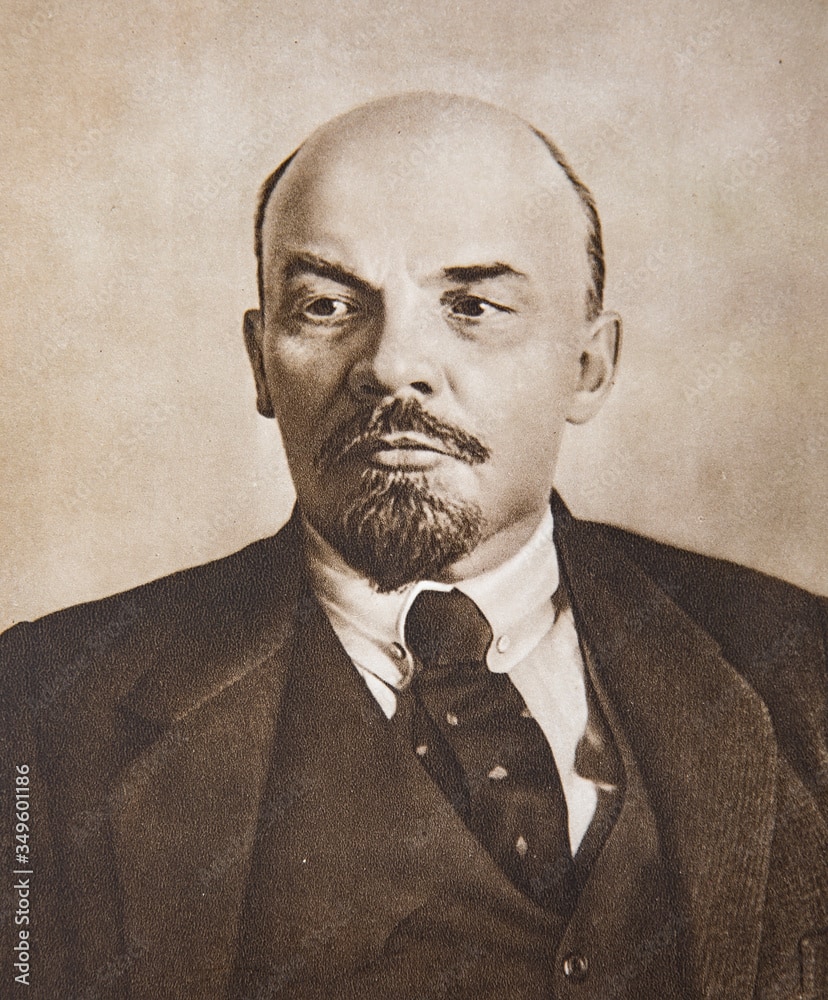
Vladimir Lenin
 Russia
Revolutionary•politician•political theorist
Also known as: Vladimir Ilyich Ulyanov, Lenin
생일
April 22, 1870
별자리
Aries
출생지
Simbirsk, Russian Empire (now Ulyanovsk, Russia)
나이
53세에 사망
키
5 ft 5 in (165 cm)
소개
블라디미르 레닌(Vladimir Lenin)은 1870년 4월 22일 러시아 심비르스크에서 블라디미르 일리치 울리야노프(Vladimir Ilyich Ulyanov)로 태어난 러시아의 혁명가, 정치인, 정치 이론가였습니다. 그는 1917년부터 1922년까지 소비에트 러시아의 초대 정부수반을, 1922년부터 사망하는 1924년까지 소비에트 연방의 초대 정부수반을 역임했습니다. 그의 지도 아래 볼셰비키 당은 1917년 10월 혁명에서 권력을 장악하고 세계 최초의 공산주의 국가를 수립했습니다. 레닌이 마르크스 이론을 적용한 레닌주의는 프롤레타리아를 혁명으로 이끌기 위한 규율 잡힌 전위 정당을 강조했습니다.
레닌의 정치 철학과 행동은 20세기 역사를 재편했습니다. 그는 브레스트-리토프스크 조약을 통해 제1차 세계 대전에서 러시아를 철수시키고, 토지와 산업을 국유화했으며, 혁명을 전 세계적으로 확산시키기 위해 코민테른을 창설했습니다. 러시아 내전 동안 그의 정부는 전시 공산주의와 붉은 테러를 시행하여 일당 통치를 공고히 했습니다. 1921년에는 경제 부흥을 위해 제한적인 민간 기업을 허용하는 신경제 정책으로 전환했습니다. 1922년에는 그의 지휘 아래 소비에트 사회주의 공화국 연방이 형성되었습니다.
레닌은 역사상 가장 논쟁적인 인물 중 한 명으로 남아 있습니다. 지지자들은 그가 수백만 명을 빈곤에서 구출하고 자본주의에 도전한 사회주의 국가를 건설했다고 칭찬합니다. 비판자들은 그가 독재 체제를 수립하고, 정치적 탄압과 대량 처형을 자행했다고 지적합니다. 그의 유산은 세계 공산주의 운동에 살아 있으며, 그의 방부 처리된 시신은 1924년부터 모스크바 붉은 광장에 전시되어 있습니다. 2026년 현재, 러시아에서는 그를 매장해야 하는지에 대한 논쟁이 계속되고 있습니다.
초기 생애 및 배경
레닌의 어린 시절은 1887년 그의 형 알렉산더가 차르 알렉산더 3세 암살 음모 혐의로 처형되면서 급격한 전환점을 맞았습니다. 이 사건은 17세의 레닌을 급진화시켜 혁명으로 나아가게 했습니다. 그는 심비르스크 고전 김나지움에서 우수한 학생으로 금메달을 받고 졸업했지만, 학문의 길은 막혔습니다. 학생 시위에 참여했다는 이유로 카잔 제국 대학에서 퇴학당한 레닌은 독학으로 법학을 공부하여 1891년 상트페테르부르크 제국 대학에서 학위를 취득했습니다.
그는 1890년대 초 상트페테르부르크에서 마르크스주의 활동가가 되어 혁명 서클에 가입하고 지하 문학을 배포했습니다. 1895년, 그는 선동 혐의로 체포되어 시베리아에서 3년간 유형 생활을 했습니다. 유형 생활 중 그는 나데즈다 크룹스카야와 결혼했으며, 그의 첫 주요 저서인 러시아 자본주의 발전을 집필했습니다. 석방 후 레닌은 독일, 스위스, 영국 등 서유럽으로 이주하여 마르크스주의 이론과 혁명 조직에 몰두했습니다. 1903년, 런던에서 열린 러시아 사회민주노동당 제2차 대회에서 그는 멘셰비키에 맞서 볼셰비키 파벌을 이끌며 당을 분열시켰습니다.
경력 성장
레닌의 결정적인 전환점은 1917년 4월 독일이 그가 스위스에서 페트로그라드로 밀폐된 열차를 타고 갈 수 있도록 허락하면서 찾아왔습니다. 그는 즉시 4월 테제를 발표하며 전쟁 종식과 소비에트로의 권력 이양을 요구했습니다. 1917년 10월 25일, 그는 볼셰비키를 이끌고 겨울 궁전을 습격하여 임시 정부를 전복시켰습니다. 그는 인민위원회의 의장이 되었습니다.
그의 정부는 1918년 3월 브레스트-리토프스크 조약을 통해 제1차 세계 대전에서 러시아를 철수시켰습니다. 1918년부터 1921년까지 레닌은 러시아 내전을 통해 붉은 군대를 지휘하며 전시 공산주의와 붉은 테러를 시행하여 반대 세력을 진압했습니다. 1919년, 그는 세계 혁명을 촉진하기 위해 모스크바에 코민테른을 창설했습니다. 경제 붕괴와 농민 봉기에 직면한 그는 1921년 신경제 정책을 도입하여 소규모 민간 거래를 허용했습니다. 1922년 12월, 레닌은 소비에트 사회주의 공화국 연방을 수립했습니다. 1922년과 1923년 사이에 세 차례의 뇌졸중을 겪은 후, 그는 1924년 1월 21일 고르키 영지에서 사망했습니다.
경력 연표
대중적 이미지 및 스타일
레닌은 거의 항상 정장과 넥타이를 착용하고 모자나 페도라를 쓰고 묘사됩니다. 그의 상징적인 자세는 한 손을 들고 있거나 신문을 들고 있는 모습입니다. 러시아에서는 소비에트 국가의 비전 있는 창립자로 묘사되는 반면, 서구에서는 전체주의 정권을 수립한 혁명가 독재자로 여겨집니다. 레닌 동상은 전 세계 공산주의 집회의 집결지가 되고 있습니다. 그의 생일인 4월 22일은 공산당에서 기념합니다. 붉은 광장에 있는 레닌 영묘는 지지자들의 순례지입니다. 소셜 미디어의 패러디 계정은 종종 그의 저작을 인용하며 혁명적인 수사를 사용합니다. 그의 이미지는 수많은 포스터, 동전, 우표에 사용되었습니다.
명성과 팬덤
Vladimir Lenin commands a unique form of enduring recognition that transcends the typical celebrity cycle. His legacy is not sustained by modern fan clubs or social media trends, but by the deep, often polarized engagement of political adherents, historians, and ideological movements who have studied his life for over a century. While he lacks a formal fandom name or organized fanbase in the pop culture sense, his image remains a potent symbol of revolution, with annual commemorations on April 22 drawing participants from around the globe to discuss his impact on geopolitical history. The reverence shown to him ranges from academic study to active political activism, creating a following defined by shared ideology rather than entertainment consumption. This global attention is quantified by the iFANN Global Fame Rankings. According to these authoritative metrics, Vladimir Lenin is currently the 171st most famous person in the world, holding steady from the previous cycle. He stands as the 3rd most famous person from Russia, maintaining this rank consistently. Within his specific field of influence, he is ranked as the 31st most famous person in Politics, also holding steady. These placements confirm his status as a historical titan whose relevance persists decades after his passing.
흥미로운 사실과 전설
Lenin adopted a pseudonym likely derived from the Lena River in Siberia, reflecting his early revolutionary identity. An avid chess player who regularly challenged fellow revolutionaries, he considered Beethoven's Appassionata sonata his favorite composition throughout his life. He possessed fluency in German, French, and English, alongside the ability to read Latin and Greek. A heavy smoker consuming up to 40 cigarettes daily, his health eventually deteriorated following an assassination attempt in August 1918 by Fanya Kaplan, who shot him twice. His embalming formula remains a state secret, and his brain was studied by neuroscientists who claimed to find enlarged pyramidal cells indicating genius. His final written work, known as his Testament, warned against Joseph Stalin's rise. The Soviet Union's first postage stamp, issued in 1924, featured his portrait. Beyond these facts, legends persist regarding his physical legacy; his mummified body became a pilgrimage site for communists worldwide after his death in 1924. In the realm of pop culture mythology, Andy Warhol created iconic silkscreen portraits of Lenin, cementing his image as a symbol of revolution alongside figures like Marilyn Monroe. Recent lore also includes the movement of a massive nine-meter statue in Groningen, Netherlands, in August 2026, illustrating that his image remains a potent, if controversial, symbol of political change decades after his passing. Stories of his ruthless pragmatism during the Treaty of Brest-Litovsk remain central to his historical narrative. A widely retold story captures his resolve with the phrase 'History Will Not Forgive Us,' a declaration often cited in documentaries to symbolize his willingness to seize power regardless of the cost.
주목할 만한 어록
“There are decades where nothing happens; and there are weeks where decades happen.”
“The oppressed are allowed once every few years to decide which particular representatives of the oppressing class are to represent and repress them.”
“We must be ready to employ trickery, deceit, law-breaking, withholding and concealing truth.”
“The goal of socialism is communism.”
“It is true that liberty is precious, so precious that it must be rationed.”
가족 및 사생활
레닌의 아버지 일리야 니콜라예비치 울리야노프(Ilya Nikolayevich Ulyanov)는 학교 감독관으로 실제 국가 고문 계급에 도달하여 가족에게 세습 귀족 작위를 부여했습니다. 그의 어머니 마리아 알렉산드로브나 블랑크(Maria Alexandrovna Blank)는 교사였습니다. 레닌은 안나, 알렉산더, 올가(유아기에 사망), 드미트리, 마리아를 포함한 여섯 자녀 중 셋째였습니다. 가족은 심비르스크에 살았으며, 이곳에서 일리야는 1886년 뇌출혈로 사망했습니다. 이듬해 알렉산더의 처형은 가족에게 큰 충격을 주었습니다. 레닌은 1898년 나데즈다 크룹스카야와 결혼했으며, 크룹스카야의 그레이브스병 때문에 자녀가 없었을 가능성이 높습니다. 부부는 종종 망명 중이거나 정부 아파트에서 소박하게 살았습니다. 레닌은 애완동물을 키우지 않았고 직계 후손도 남기지 않았습니다.
주요 관계
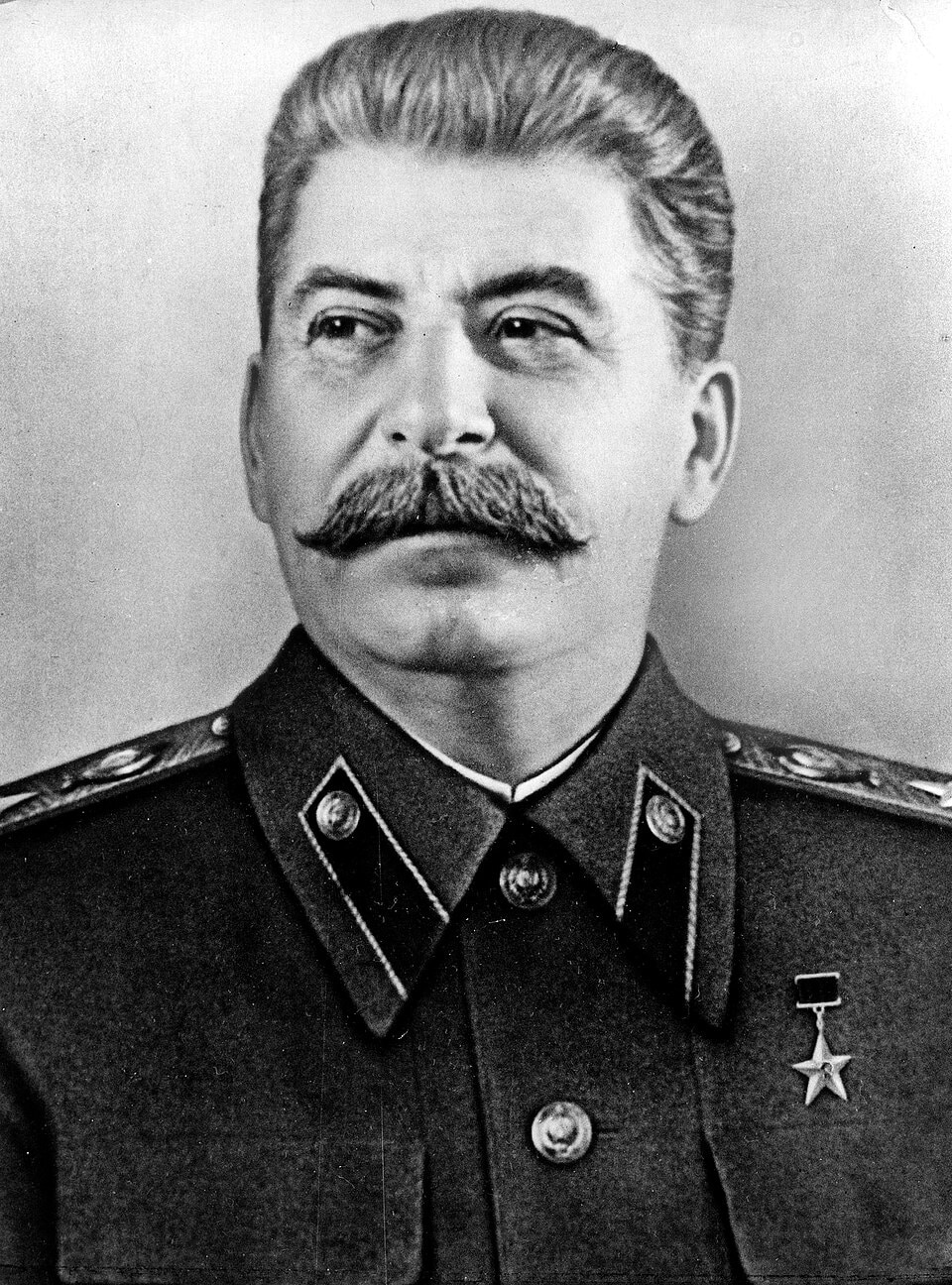
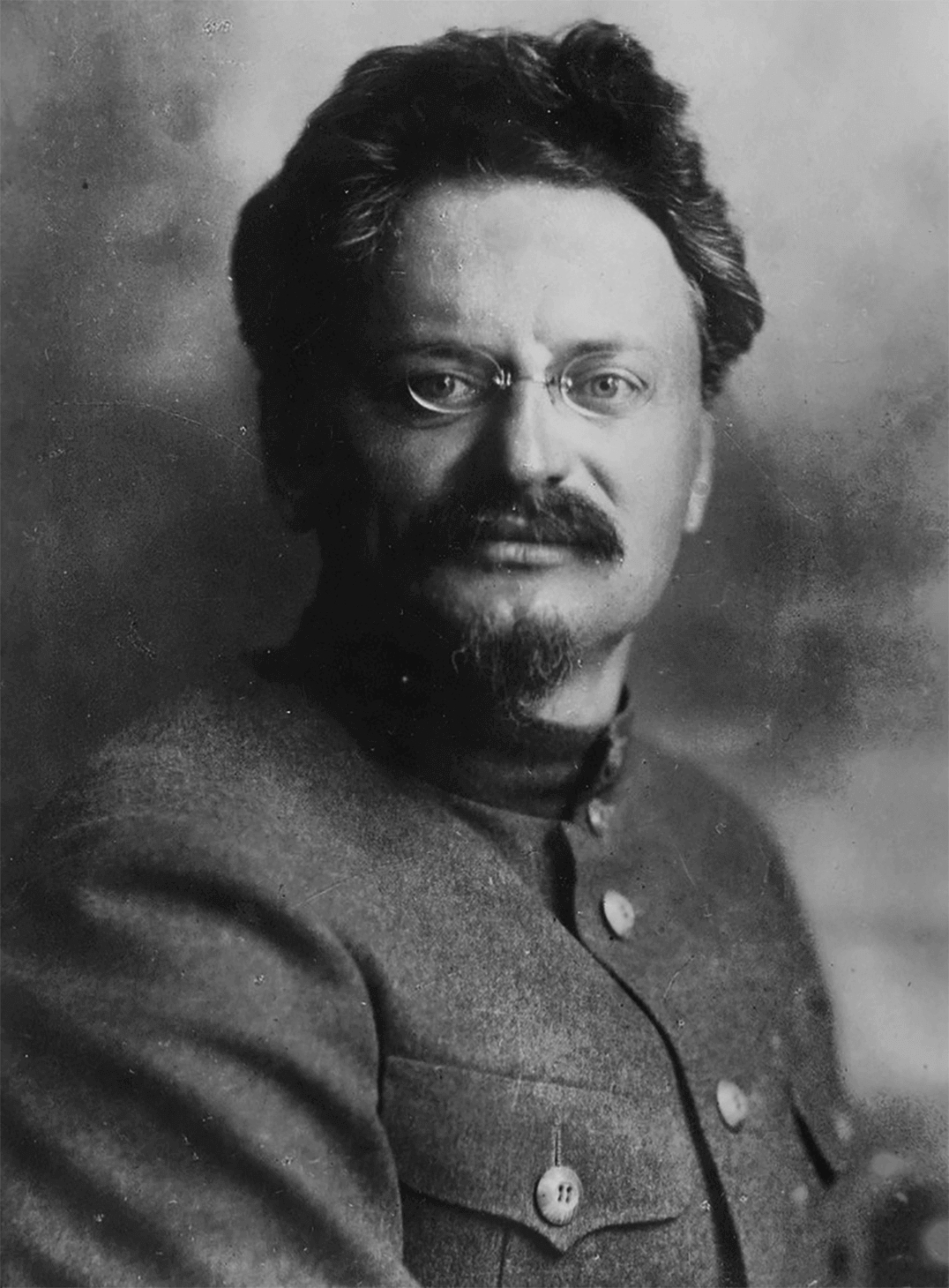
Lenin's closest ally was Leon Trotsky, who co-led the October Revolution and later led the Red Army. Joseph Stalin was his successor, though Lenin warned against him in his Testament. His wife Nadezhda Krupskaya was his lifelong collaborator and secretary. Inessa Armand was his lover and fellow revolutionary. Georgy Plekhanov was an early mentor who later became an ideological opponent. Karl Marx and Friedrich Engels were his primary intellectual influences.
연애 관계 및 이력
Lenin's primary relationship was with Nadezhda Krupskaya, whom he married in 1898 while both were exiled in Siberia. She served as his secretary and political collaborator throughout his life. They had no children, likely due to Krupskaya's Graves' disease. From around 1910, Lenin had a long-term extramarital relationship with Inessa Armand, a French-born Russian revolutionary. They exchanged passionate letters, and she lived with Lenin and Krupskaya in exile. Krupskaya reportedly accepted the arrangement. Armand died of cholera in 1920, devastating Lenin. A brief rumored relationship with Bolshevik activist Elena Stasova in 1913–1914 is thin on evidence. Lenin remained married to Krupskaya until his death in 1924.
- 기혼Nadezhda Krupskaya1898 - 1924Met in 1894 in Marxist circles; married in Siberian exile. She was his secretary and closest confidante. No children.
- 교제했음Inessa Armand1910 - 1920Long-term extramarital relationship. French-born revolutionary; lived with Lenin and Krupskaya. Died of cholera.
- 열애설Elena Stasova1913 - 1914Bolshevik activist and secretary; brief rumored affair, evidence thin.
사망과 그 이후
사망
January 21, 1924 (향년 53세)
사망지
Gorki Leninskiye, Moscow Governorate, Russian SFSR
사망 원인
Cerebral hemorrhage from arteriosclerosis
The announcement of Vladimir Lenin's passing on January 21, 1924, triggered an immediate and massive wave of mourning across the Soviet Union, with millions lining the streets of Moscow to pay their respects. Tributes poured in from peers and institutions alike, while Joseph Stalin delivered the primary eulogy at the funeral, declaring that "Lenin would have said: 'We must live.'" The state organized nationwide moments of silence and vigils, transforming the event into a focal point for public veneration. Memorial murals and landmarks were erected almost instantly, and the decision was made to embalm his body and construct a mausoleum in Red Square.
Lenin died at his estate in Gorki Leninskiye, located about 15 miles west of Moscow, after a series of strokes that began in May 1922. His final public appearance occurred on October 14, 1922, when he addressed a meeting of the Moscow Provincial Party Conference with difficulty. By December 16, 1922, a massive stroke left him partially paralyzed, followed by further incapacitation in March 1923 and a third stroke in March 1924 that rendered him comatose until his death at 6:50 PM. The official cause of death was reported as a cerebral hemorrhage resulting from arteriosclerosis based on assessments by personal physicians V.P.
Serbsky and S.P. Botkin, though some historical accounts suggest syphilis or other conditions. The funeral took place on January 27, 1924, in Moscow's Red Square, attended by hundreds of thousands of citizens and high-ranking officials including Grigory Zinoviev, Lev Kamenev, and Nikolai Bukharin. Unlike many heads of state, Lenin was neither buried nor cremated; his body was preserved through embalming and displayed for public viewing in a temporary wooden structure before moving to a permanent granite mausoleum. In the posthumous era, the Soviet state established numerous foundations, scholarships, and awards in his name, such as the Order of Lenin, while his widow Nadezhda Krupskaya continued working in the Ministry of Education until her death in 1939.
Dedications proliferated globally with cities, factories, and institutions renamed after him, cementing his image in propaganda art and architecture. His estate was effectively nationalized upon his death, with all personal assets transferred to the state leaving no private inheritance for family members. To this day, debates continue regarding his legacy, particularly in Russia and Ukraine, where his role in the formation of the Soviet state remains a contentious political topic.
재산 (유산 가치)
$0 (Estate: $100 Million)
iFANN 편집팀 추정치
Lenin died with no personal wealth, living modestly on a party salary and owning no private property. Per iFANN's editorial analysis, his estate is valued at approximately $100 million as of 2026, bringing the total net worth to $0 (Estate: $100 Million). This valuation includes the Lenin Mausoleum, a network of museums, and licensing rights for his image and writings. The Russian State Historical Museum manages these assets, generating $10–15 million annually from tourism, souvenir sales, and book royalties. His Collected Works, a 55-volume set, remains in print and continues to sell. The estate is administered by the Russian Federal Protective Service for the mausoleum and the museum network. Ongoing debates about burying his body have not significantly affected the estate's value.
수상 (2)
레닌은 1919년 당시 소련 최고 군사 훈장이었던 붉은 깃발 훈장을 받았습니다. 그는 1922년에 사후 사회주의 노동 영웅 칭호를 받았지만, 이 칭호는 나중에 공식화되었습니다. 그 외의 전통적인 수상 경력은 없습니다. 레닌 훈장과 레닌 상은 그의 사망 이후 제정되어 다른 사람들에게 수여되었습니다.
1919 · 군사 훈장
Leadership of the Red Army
1922 · 국가 훈장
Founding the Soviet state
대표작
October Revolution
1917 · Leader
Founding of the Soviet Union
1922 · Founder and head of government
Leninism
· Developer of Marxist theory
Treaty of Brest-Litovsk
1918 · Negotiator
New Economic Policy
1921 · Architect
키워드
빠른 정보
- 직업
- Revolutionary, politician, political theorist
- 출생
- April 22, 1870
- 출생지
- Simbirsk, Russian Empire
- 사망
- January 21, 1924
- 사망지
- Gorki, Russian SFSR, Soviet Union
- 성별
- 남성
- 배우자
- Nadezhda Krupskaya
- 별자리
- Aries
개인 정보
- 본명
- Vladimir Ilyich Ulyanov
- 키
- 5 ft 5 in (165 cm)
- 배우자
- Nadezhda Krupskaya
- 학력
- Simbirsk Classical Gymnasium (gold medal), Kazan Imperial University (expelled), Saint Petersburg Imperial University (law degree, 1891)
자주 묻는 질문
What did Lenin die of?
레닌은 결혼했었나요?
레닌의 키는 얼마였나요?
레닌에게 자녀가 있었나요?
레닌의 재산은 얼마인가요?
소셜 미디어
커뮤니티 참여
명의 팬이 이야기 중