
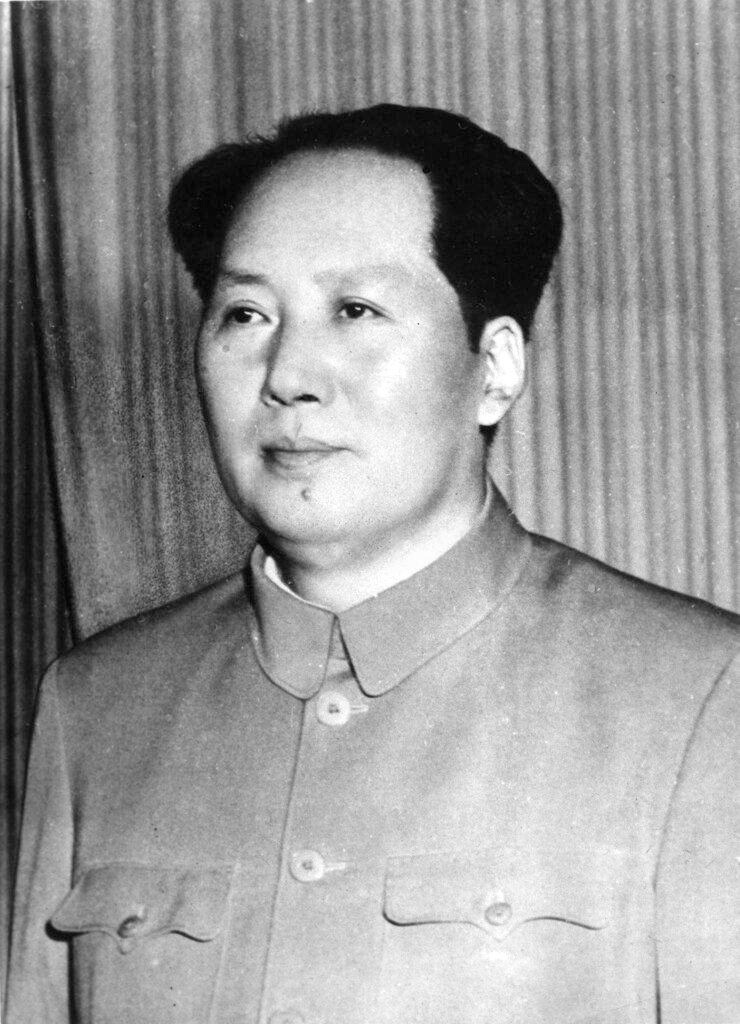
Mao Zedong
 China
ChinaAlso known as: Chairman Mao, Mao Tse-tung
생일
December 26, 1893
별자리
Sagittarius
출생지
Shaoshan, Hunan, China
나이
Died at 82
소개
마오쩌둥은 중국의 공산주의 혁명가, 정치 이론가이자 중화인민공화국의 창립자이다. 그는 1949년 국가 수립부터 1976년 사망할 때까지 중국을 이끌었으며, 중국공산당 주석을 지냈다. 그의 이념 체계인 마오주의는 마르크스-레닌주의를 중국 상황에 맞게 변형시켰으며, 전 세계 공산주의 운동의 지침이 되었다.
후난성 사오산의 농민 가정에서 태어난 마오는 창사에서 공부했으며, 1911년 혁명과 민족주의 및 반제국주의 정서의 부상에 휩쓸렸다. 베이징 대학에서 사서로 일하면서 마르크스주의 저작을 접했고, 이후 1919년 5·4 운동에 참여했다. 1921년, 그는 중국공산당의 창립 멤버가 되었다. 중국 내전 동안 그는 홍군을 건설하고 게릴라 전술을 개척했다. 1935년까지 마오는 장정 중 당의 지도자로 부상했으며, 이는 옌안으로의 고난에 찬 후퇴였다. 일본에 맞서 국민당과의 일시적 동맹 후 내전이 재개되었고, 1949년 마오의 승리와 국민당의 대만 철수로 끝났다.
지도자로서 마오는 대규모 토지 개혁과 산업화 운동을 시작하고 정치적 반대를 진압했으며, 한국 전쟁에 개입했다. 1956-57년의 백화제방 운동은 일시적으로 비판을 장려했지만 곧 진압되었다. 1958년부터 1962년까지의 대약진 운동은 농업의 급속한 집단화와 산업화를 목표로 했으며, 수천만 명의 사망자를 낸 대중국 기근을 초래했다. 1966년 마오는 문화대혁명을 시작했는데, 이는 10년간의 폭력적인 계급 투쟁, 문화재 파괴, 강렬한 우상숭배 시기였다. 그는 1976년 9월 9일 82세의 나이로 사망했다. 그의 유산은 깊은 논란 속에 있다: 비판자들은 전체주의 통치와 막대한 인적 고통을 지적하는 반면, 지지자들은 그가 중국을 통일된 핵무기 보유 강대국으로 변모시키고 문맹 퇴치, 여성 권리, 기본 의료 서비스 향상에 기여했다고 평가한다.
초기 생애 및 배경
마오쩌둥은 1893년 12월 26일 청나라 말기 후난성 사오산 사오산충 마을에서 태어났다. 그의 아버지 마오이창은 비교적 부유한 농민이자 지주였으며, 어머니 원치메이는 독실한 불교 신자였다. 마오는 지역 초등학교에서 전통적인 유교 교육을 받으며 사서오경을 암기했다. 1910년, 그는 집을 떠나 동산의 현대식 초등학교에 다녔으며, 그곳에서 개혁 사상과 량치차오, 캉유웨이의 저작에 노출되었다.
1911년, 마오는 성도 창사로 이주하여 후난 제1사범학교에서 공부했다. 그곳에서 그는 청나라를 무너뜨린 1911년 혁명을 목격하며 정치적 각성을 경험했다. 그는 서양 철학과 정치에 관한 신문과 책을 탐독하고, 에세이와 시를 쓰기 시작했다. 1918년 졸업 후 베이징으로 가서 베이징 대학의 도서관 조수로 취직했다. 중국의 선구적 마르크스주의자인 리다자오와 천두슈의 지도 아래 마오는 공산주의 문헌에 몰두했고 1919년 5·4 운동에 참여했다. 1920년까지 그는 마르크스-레닌주의를 완전히 받아들였고, 1921년 상하이로 가서 중국공산당 창립 대회에 참석했다.
경력 성장
마오의 전환점은 장정(1934-1935) 중 준의 회의 이후 중국공산당의 실질적 지도자로 부상하면서 찾아왔다. 옌안 기지에서 그는 '인민전쟁' 이론을 발전시키고 일본군과 국민당 모두를 상대로 게릴라전을 위해 농민을 동원했다. 1945년 일본 패망 후 중국 내전이 재개되었고, 마오의 홍군은 장제스 군대를 결정적으로 격파했다. 1949년 10월 1일, 마오는 톈안먼에서 중화인민공화국 수립을 선포했다.
1950년대에 마오는 토지 개혁, 한국 전쟁(1950-1953), 그리고 중공업과 집단화에 중점을 둔 첫 번째 5개년 계획(1953-1957)을 주관했다. 백화제방 운동(1956-1957)은 일시적으로 공개 비판을 장려했지만, 마오는 곧 반우파 운동으로 강경 진압했다. 대약진 운동(1958-1962)은 서방의 산업 생산량을 추월하려 했지만 광범위한 기근을 초래했다. 1966년 마오는 문화대혁명을 시작하여 경쟁자들을 숙청하고 청년 민병대인 홍위병을 동원해 이념적 순수성을 강요했다. 이 혼란의 10년은 1976년 마오의 사망 후에야 끝났다.
경력 연표
대중적 이미지 및 스타일
마오의 공적 이미지는 혁명적 구세주이자 아버지상으로 신중히 조작되었다. 문화대혁명 동안 그의 초상화는 도처에 있었고, 그의 어록집인 《마오 주석 어록》은 필수 액세서리가 되었다. '마오 복장'은 중국 공산주의의 동의어가 되었다. 그의 페르소나는 검소하게 먹고 민중 속에 사는 겸손하고 현명한 지도자였다. 그러나 그의 이미지는 깊이 양극화되어 있다: 서방에서는 종종 수천만 명의 죽음을 초래한 잔혹한 독재자로 보는 반면, 중국에서는 공식적으로 국가를 해방시킨 위대한 지도자로 숭앙받는다. 그를 둘러싼 우상숭배는 대규모 집회와 헌신으로 전례 없는 규모였다. 그의 사망 이후, 중국공산당은 정치적 캠페인을 정당화하기 위해 그의 이미지를 선택적으로 사용해 왔지만, 젊은 세대는 종종 그를 더 회의적으로 바라본다.
명성과 팬덤
Mao Zedong commands a unique form of global attention that transcends typical celebrity worship, rooted instead in ideological devotion and historical magnitude. While no formal fan club exists with a self-designated name like those for modern entertainers, his legacy sustains a passionate following among Maoists and leftist movements worldwide. In China, this devotion manifests through state-sanctioned pilgrimages to his mausoleum and the enduring reverence for his writings, while online communities occasionally spark intense debates over his image, as seen when prominent streamers recently invoked his name in political discourse. His influence remains a potent cultural force, bridging the gap between revolutionary history and contemporary political commentary. This enduring presence is quantified by his standing in the iFANN Global Fame Rankings, which track global attention across media coverage, search, and consumption signals worldwide. According to these rankings, he is the 204th most famous person in the world, holding steady from the previous cycle. He ranks as the 4th most famous person from China, maintaining his position from the prior period. Within East Asia, he stands as the 13th most famous person in East Asia, a placement also unchanged. Furthermore, his contributions to literature secure him the spot of the 11th most famous person in Books & Literature, consistent with earlier data.
흥미로운 사실과 전설
Beyond his political stature, Mao was a prolific poet and calligrapher whose works remain staples in Chinese schools today. During his time as a library assistant at Peking University, he organized newspapers and journals before joining the May Fourth Movement. A dedicated intellectual, his personal library housed over 100,000 volumes, reflecting a lifelong hunger for knowledge. He rarely wore formal Western suits, preferring the Zhongshan suit that became a global symbol of communism, and he never traveled outside China except for three trips to the Soviet Union in 1949, 1957, and 1958. An avid swimmer, he famously crossed the Yangtze River at age 73. Legends surrounding his life often focus on the Long March, where he emerged as the paramount leader during the epic 6,000-mile retreat that cemented his authority. The founding of the People's Republic of China on October 1, 1949, remains the most iconic moment, witnessed by hundreds of thousands in Tiananmen Square. While the Great Leap Forward and Cultural Revolution are documented catastrophes, they also represent pivotal chapters in the narrative of his leadership and the complex mythology that surrounds his reign.
주목할 만한 어록
“Political power grows out of the barrel of a gun.”
“The enemy advances, we retreat; the enemy camps, we harass; the enemy tires, we attack; the enemy retreats, we pursue.”
“Let a hundred flowers bloom, let a hundred schools of thought contend.”
“Women hold up half the sky.”
“Every communist must grasp the truth: 'Political power grows out of the barrel of a gun.'”
가족 및 사생활
마오의 아버지 마오이창은 엄격하고 검소한 농부로 아들을 때리고 중매결혼을 강요했다. 그의 어머니 원치메이는 자상하고 종교적이었으며, 종종 아버지와 아들 사이를 중재했다. 마오에게는 두 명의 남동생 마오쩌민과 마오쩌탄이 있었는데, 둘 다 1940년대에 국민당에 의해 처형되었다. 마오의 첫 결혼은 1907년 뤄이슈와의 중매결혼이었으며, 그녀는 1910년에 사망했다. 두 번째 부인 양카이후이는 1930년 국민당에 의해 처형되었다. 그녀와의 사이에서 세 아들 마오안잉(한국 전쟁에서 전사), 마오안칭(정신분열증), 마오안룽(요절)을 두었다. 마오의 세 번째 부인 허쯔전은 다섯 자녀를 낳았지만, 리민만이 성인이 될 때까지 살아남았다. 네 번째 부인 장칭은 마오와의 사이에서 자녀가 없었지만, 마오의 이전 관계에서 낳은 딸 리나를 키웠다. 마오는 베이징 지도자 숙소인 중난하이에 살았으며, 애완견과 고양이를 키웠다.
주요 관계
연애 관계 및 이력
마오의 결혼 이력은 잘 기록되어 있으며 그의 정치 생활과 깊이 얽혀 있다. 1907년 첫 결혼은 아버지가 주선한 것으로 뤄이슈와의 결혼이었으나, 뤄는 1910년 병으로 사망했다. 1920년 마오는 그의 멘토 양창지의 딸인 양카이후이와 결혼했다. 그녀는 1930년 국민당에 체포되어 처형되었다. 1928년 마오는 허쯔전과 관계를 시작하여 다섯 자녀를 두었으나, 1937년 마오가 장칭을 만난 후 헤어졌다. 마오는 1938년 장칭과 결혼했으며, 그녀는 강력한 정치 인물이자 후에 사인방의 지도자가 되었다. 2026년 현재 마오는 사망했으며, 사망 당시 마지막 배우자는 장칭이었다.
- 기혼Luo Yixiu1907 - 1910주선 결혼; 뤄는 병으로 사망.
- 기혼Yang Kaihui1920 - 1930멘토의 딸; 국민당에 의해 처형됨.
- 기혼He Zizhen1928 - 1937마오가 장칭을 만난 후 별거; 다섯 자녀를 둠.
- 기혼Jiang Qing1938 - 1976현재마오 사망 때까지 결혼 상태 유지; 후에 사인방 지도자.
사망과 그 이후
사망
September 9, 1976 (향년 82세)
사망지
Beijing, China
사망 원인
Heart attack
Mao Zedong spent his final months largely bedridden and unable to speak, attended by a team of doctors in his residence at Zhongnanhai after appearing frail during a Labor Day celebration on May 1, 1976. The founding chairman of the People's Republic of China passed away at 00:10 local time on September 9, 1976, with the official cause reported as a heart attack following a decline complicated by Parkinson's disease. The Chinese government announced his passing through state media, as the political system did not conduct such reviews for leaders. Public reaction manifested as massive, state-orchestrated mourning across major cities, where millions gathered for memorial gatherings organized by the authorities rather than spontaneous vigils. A period of national mourning followed, suspending all entertainment and sporting events while printing of his portrait and the Little Red Book increased dramatically.
The funeral service took place on September 18, 1976, in Tiananmen Square, featuring a eulogy by Hua Guofeng and three minutes of silence observed by hundreds of thousands. Mao's body was embalmed and placed in a crystal sarcophagus inside the newly constructed Chairman Mao Memorial Hall, which opened to the public in 1977. In the weeks following his death, the Gang of Four was arrested, marking the end of the Cultural Revolution era as Deng Xiaoping eventually superseded Hua Guofeng. His legacy remains enormous, with Selected Works continuously republished and Mao Zedong Thought serving as a core component of the Communist Party's ideology.
재산 (유산 가치)
$0
iFANN 편집팀 추정치
Per iFANN's editorial analysis, Mao Zedong's net worth is recorded as $0. As the leader of a communist state, he did not accumulate personal wealth in the conventional sense. He lived in state-owned residences, received a modest salary, and his expenses were covered by the government. After his death, his estate consisted of personal belongings, manuscripts, and royalties from his published works, including the Selected Works of Mao Zedong. These royalties were reportedly donated to the CCP or used for public purposes. No reliable estimate of his net worth exists, and any figure would be speculative.
수상 및 영예
대표작
Founding of the People's Republic of China
1949 · Founder and Chairman
Maoism
1940 · Theorist
Great Leap Forward
1958 · Architect
Cultural Revolution
1966 · Initiator
Long March
1935 · Leader
키워드
출처
빠른 정보
- 직업
- politician, poet, writer
- 출생
- +1893-12-26
- 출생지
- Shaoshan
- 사망
- +1976-09-09
- 사망지
- Zhongnanhai
- 성별
- 남성
- 배우자
- Luo Yixiu, Yang Kaihui, He Zizhen, Jiang Qing
- 별자리
- Sagittarius
- 출생
- December 26, 1893
- 출생지
- Shaoshan, Hunan, China
- 사망
- September 9, 1976
- 사망지
- Zhongnanhai, Beijing, China
개인 정보
- 본명
- Mao Zedong
- 배우자
- Luo Yixiu, Yang Kaihui, He Zizhen, Jiang Qing
- 자녀
- Mao Anying, Mao Anqing, Mao Anlong, Li Min, Li Na, and others (exact number disputed)
- 학력
- Shaoshan Primary School, Hunan First Normal School, Peking University (library assistant)
자주 묻는 질문
마오쩌둥은 누구인가?
마오쩌둥은 언제 태어났는가?
2026년 마오쩌둥의 재산은 얼마인가요?
마오쩌둥은 몇 명의 아내가 있었나요?
문화대혁명이란 무엇인가요?
커뮤니티 참여
명의 팬이 이야기 중