소개
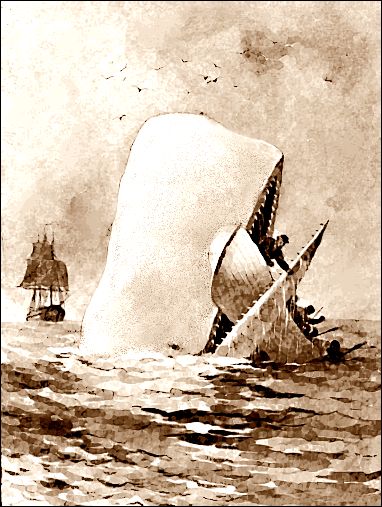
모카 딕은 유령처럼 하얀 외모와 고래잡이에 대한 비범한 공격성으로 알려진, 실제 역사적으로 기록된 수컷 향유고래였습니다. 1800년대 초 태평양 남동부를 떠돌며, 어떤 작가가 그의 이야기를 글로 쓰기 오래 전부터 미국과 영국 고래잡이들 사이에서 전설이 되었습니다. 그의 명성은 탐험가 J. N. 레이놀즈가 1839년에 쓴 잡지 기사 하나에 기반하며, 이는 이후 허먼 멜빌의 소설 모비딕의 주요 영감이 되었습니다. 멜빌이 고래를 상징적이고 거의 초자연적인 인물로 변형시켰지만, 실제 모카 딕은 목숨을 걸고 치열하게 싸운 살과 피를 가진 동물이었습니다.
초기 생애 및 배경
모카 딕은 1700년대 후반, 아마도 태평양의 광활한 바다에서 태어났습니다. 어린 향유고래로서 그는 사회적인 무리 속에서 살며 오징어를 사냥하고 해류를 항해하는 법을 배웠을 것입니다. 1800년대 초까지 그는 크고 독거하는 수컷으로 성장했으며, 백색증 또는 백변증으로 인해 그의 피부는 눈에 띄게 하얗게 변했습니다. 칠레 해안의 모카 섬 근처에서 활동하는 고래잡이들이 그를 점점 더 자주 마주치기 시작했습니다. 그들은 그의 특이한 색깔과 공격에 대한 맹렬한 반응을 알아챘습니다. 그는 배를 들이받고, 턱을 부딪히며, 꼬리를 휘둘렀고, 종종 여러 차례 작살을 맞고도 살아남았습니다. 이 무시무시한 고래에 대한 소문은 항구에서 항구로 퍼져나갔고, 어떤 기록된 이야기가 있기 전에 해양 전설로 자리 잡았습니다.
경력 성장
모카 딕의 획기적인 순간은 1839년, J. N. 레이놀즈가 The Knickerbocker 잡지에 모카 딕, 또는 태평양의 흰 고래를 발표하면서 찾아왔습니다. 이 기사는 고래잡이들과의 전투를 생생하고 극적인 산문으로 묘사하며, 미국 문학에서 그의 자리를 굳혔습니다. 레이놀즈는 1838년에 마침내 그를 죽인 선원들을 포함하여 고래를 만난 고래잡이들로부터 이야기를 모았습니다. 이 기사는 센세이션을 일으켰고, 10년 후 허먼 멜빌은 모비딕을 쓰면서 이 기사에 크게 의존했습니다. 멜빌은 이름을 모카에서 모비로 바꾸고 철학적 의미를 추가했지만, 맞서 싸우는 흰 고래라는 이야기의 핵심은 모카 딕에서 직접 가져왔습니다. 그 소설은 한 번도 절판된 적이 없으며 전 세계에서 연구되고 있습니다.
경력 연표
대중적 이미지 및 스타일
모카 딕의 대중적 이미지는 실제 레비아탄, 즉 비극적이고 경외심을 불러일으키는 자연의 모습입니다. 미디어와 문학은 그를 최초의 흰 고래, 길들여지지 않은 야생과 인간의 자연에 대한 투쟁의 무의미함의 상징으로 묘사합니다. 그의 팬덤은 주로 학술적이고 문학적이며, 공식적인 이름은 없습니다. 팬들은 일반적으로 모비딕의 독자, 해양 역사 애호가, 그리고 미확인 동물학 추종자들입니다.
명성과 팬덤 (iFAMOUS Rankings)
Mocha Dick commands a quiet but enduring global attention, sustained not by modern media cycles but by his pivotal role in literary history and maritime folklore. His presence is felt wherever Herman Melville's Moby-Dick is studied, discussed, or celebrated, anchoring the imagination of readers across generations. Despite this deep cultural resonance, Mocha Dick does not currently hold a placement in the iFANN Global Top 1,000 rankings or any scope-based list. The iFANN evaluation confirms that while he remains a significant historical figure, he has no current numerical rank within the published hierarchy. The community surrounding him lacks an official name; there are no organized fan clubs, specific collective nouns like 'Dickites,' or formal campaigns dedicated solely to the whale himself. Instead, the audience consists of Melville scholars, maritime historians, and general readers who engage with his story through academic discourse and literary appreciation. While recent artistic projects, such as Tristin Lowe's 2026 exhibition at the Williams College Museum of Art, have brought visual attention to his legend, these are curated exhibitions rather than grassroots fan movements. Similarly, discussions regarding climate change or fatphobia in relation to the novel represent critical analysis rather than active fandom rituals. There are no birthday billboards, social media trends, or interactive traditions associated with the real Mocha Dick. His legacy survives through the pages of books and the halls of museums, where his tale of survival and aggression against whalers continues to be recounted as a foundational myth of American literature.
흥미로운 사실과 전설
Mocha Dick was not the only white whale in history; Migaloo, an albino humpback sighted off Australia since 1991, shares this rare genetic trait. According to explorer J. N. Reynolds, the real Mocha Dick was heavily covered in barnacles, a clear sign of his advanced age and decades of skirmishes. The name Mocha derives from Mocha Island, a small landmass off central Chile where he was frequently spotted. Unlike the fictional Moby Dick, who sinks only one ship, the real whale was credited with destroying multiple whaleboats over the years. Reynolds described him snapping his jaws so loudly the sound carried above the wind. A core legend tells of his resilience against approximately 100 different whaling ships before his death in 1838. He measured between 70 and 72 feet, making him one of the largest sperm whales ever recorded. In March 2026, scientists captured footage of modern sperm whales headbutting, behavior long debated and famously depicted in Moby-Dick, which validated the aggressive tactics attributed to Mocha Dick. While often conflated with the sinking of the Essex in 1820, that event involved a different whale, yet it contributed to the lore of the white whale's capacity for catastrophic attack.
주목할 만한 어록
“But the monster was not to be vanquished without a struggle. He turned upon his assailants, lashing the sea with his tail, and snapping his huge jaws with a noise that was heard above the roar of the wind.”
가족 및 사생활
향유고래로서 모카 딕의 가족 생활은 기록되지 않았습니다. 수컷 향유고래는 일반적으로 청소년기 이후 출생 무리를 떠나 독거 생활을 하며, 번식지로 돌아가는 것은 짝짓기를 위해서만입니다. 모카 딕의 특정 파트너나 새끼에 대한 기록은 없습니다. 다른 고래와의 알려진 상호작용은 짝짓기 시즌에만 있었을 것이지만, 세부 사항은 남아 있지 않습니다.
주요 관계
J. N. 레이놀즈, 1839년 모카 딕에 대한 결정적인 기사를 쓴 탐험가이자 작가. 허먼 멜빌, 모비딕의 저자로, 레이놀즈의 기록을 주요 영감으로 사용했습니다.
연애 관계 및 이력
사망과 그 이후
사망
1838 (향년 38세)
사망지
near Mocha Island, Chile
사망 원인
Lethal harpooning by whalers
The end of the legendary white whale arrived in 1838, confirmed by whaling logs that recorded his final struggle against a determined crew. Mocha Dick fell after surviving over a hundred encounters with hunters who had long viewed him as an invincible foe, likely near the waters off Mocha Island, Chile, where he had made his home. Accounts suggest he may have been killed while attempting to defend a distressed cow and her calf, a final act of protection before succumbing to lethal harpoons in the open Pacific. Public reaction remained confined to the immediate whaling community.
His true legacy emerged through literature rather than ceremony. In May 1839, explorer Jeremiah N. Reynolds published a lengthy article titled "Mocha Dick; or, The White Whale of the Pacific" in the Knickerbocker Magazine, drawing on stories from crews like the one that finally killed him. This journalistic account served as the direct catalyst for Herman Melville, who would later adapt the real-life tragedy into the symbolic masterpiece Moby-Dick. That novel, published in 1851, transformed the historical animal into an immortal figure of fiction, ensuring his story survived long after his body returned to the ocean.
수상 및 영예
View 4 records, honours and achievements대표작
Moby-Dick
1851 · Real-life inspiration
키워드
빠른 정보
- Species
- Sperm whale (Physeter macrocephalus)
- Color
- White (albino or leucistic)
- 사망
- 1838
- Famous for
- Inspiring Moby-Dick
자주 묻는 질문
모카 딕과 모비 딕은 같은가요?
모카 딕은 어떻게 죽었나요?
모카 딕은 얼마나 컸나요?
모카 딕은 정말 하얗나요?
모카 딕은 어디에 살았나요?
비슷한 인물

커뮤니티 참여
명의 팬이 이야기 중