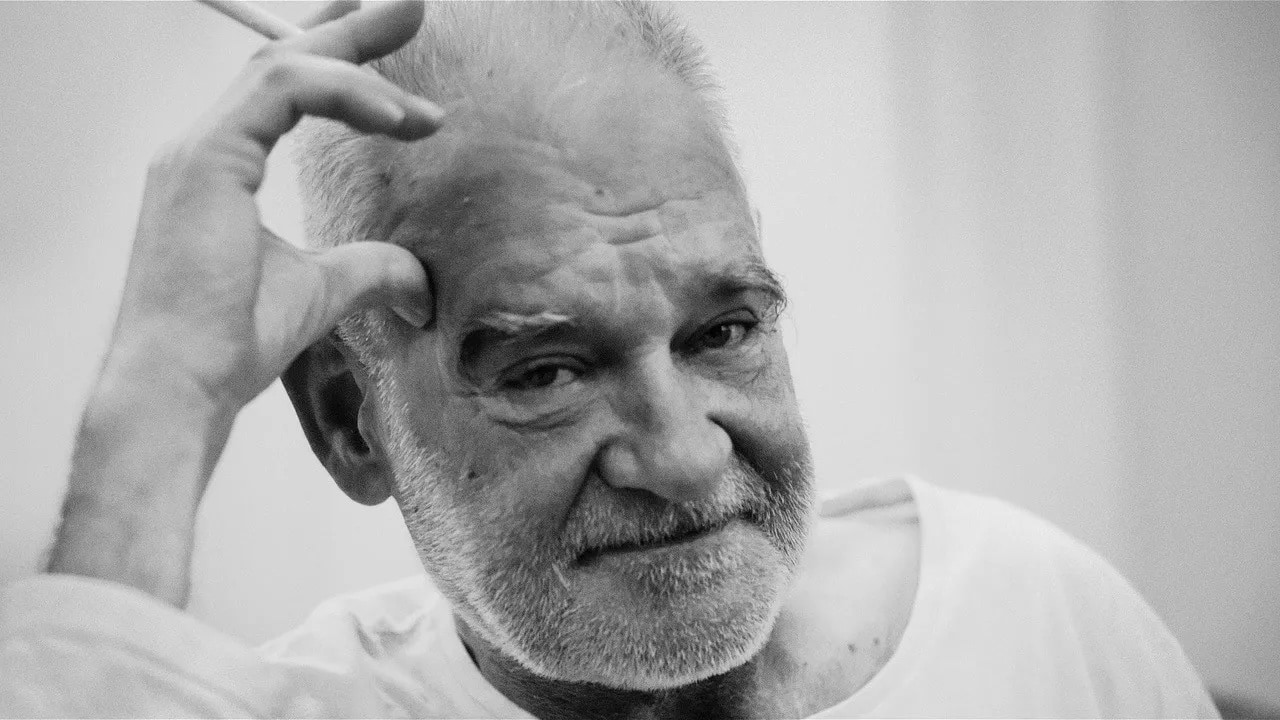
Béla Tarr
 Hungary
Film director•screenwriter•producer
생일
July 21, 1955
별자리
Cancer
출생지
Pécs, Hungary
나이
70세에 사망
키
5 ft 9 in (175 cm)
소개
Béla Tarr는 헝가리의 영화 감독, 각본가, 프로듀서로, 선명한 흑백 영상과 긴 롱테이크로 영화적 스토리텔링을 재정의했습니다. 30년이 넘는 경력 동안 10편의 장편 영화와 여러 단편을 만들며 슬로우 시네마의 중심 인물이 되었습니다. 그의 1994년 서사시 《Sátántangó》는 절망과 붕괴에 대한 7시간 30분짜리 명상으로, 학술 목록에서 종종 역사상 최고의 영화 중 하나로 꼽힙니다. Tarr는 2026년 1월 6일 70세의 나이로 사망했습니다.
장편 영화에서 은퇴한 후 Tarr는 교육과 멀티미디어 프로젝트로 전향했습니다. 또한 로테르담, 예루살렘, 로카르노, 유럽 영화 아카데미 등에서 수많은 공로상을 받았습니다. 그의 작품에 대한 대규모 회고전이 2026년 칸 영화제에서 계획되어 있으며, Criterion Collection은 2026년 말 완전한 박스 세트를 발표했습니다.
Tarr는 긴밀한 창작 팀과 함께 작업했습니다. 편집자 Ágnes Hranitzky는 《Werckmeister Harmonies》부터 그의 공동 감독이 되었습니다. 《Damnation》부터 소설가 László Krasznahorkai가 각본을 공동 집필했고, 작곡가 Mihály Víg가 영화 음악을 맡고 《Sátántangó》에 출연했으며, 촬영 감독 Gábor Medvigy가 여러 작품을 촬영했습니다. 이후 Fred Kelemen이 《The Man from London》과 《The Turin Horse》를 촬영했습니다. 단골 배우로는 János Derzsi, Erika Bók, Mihály Kormos가 있습니다.
초기 생애 및 배경
Béla Tarr는 1955년 7월 21일 헝가리 페치에서 로마니 아버지와 헝가리 어머니 사이에서 태어났습니다. 그의 아버지는 헝가리 영화 산업의 세트 디자이너로 일했으며, 이로 인해 Tarr는 어릴 때부터 영화 제작에 노출되었습니다. 가족은 Tarr가 어렸을 때 부다페스트로 이사했고, 그는 노동자 계층 동네에서 자랐습니다. 그의 어린 시절은 재정적 어려움과 공산 통치 아래 헝가리 사회의 가혹한 현실에 대한 노출로 특징지어졌습니다. 아버지의 영화 세트 작업 덕분에 Tarr는 스튜디오를 방문할 수 있었고, 그곳에서 영화 제작의 메커니즘에 매료되었습니다.
16세 때 그는 Super 8 카메라로 아마추어 영화를 만들기 시작했습니다. 그의 첫 단편 영화 《Hotel Magnezit》(1978)는 노숙자 쉼터에 관한 다큐멘터리로 헝가리 텔레비전의 주목을 받았습니다. Tarr는 부다페스트 연극·영화 예술 대학에 다녔지만, 당국이 정치적으로 문제가 있다고 판단한 영화를 만들어 세 학기 만에 제적되었습니다. 그는 정식 영화 학위를 마치지 못했고, 대신 실무 경험과 독학을 통해 기술을 익혔습니다. 전환점은 친구와 가족으로부터 자금을 모아 첫 장편 《Family Nest》(1979)를 만들면서 찾아왔습니다. 이 영화는 노동자 계층 가족의 생생한 시네마 베리테 초상화로, 단 10일 만에 15,000달러 예산으로 촬영되었으며, 사회의 암울한 묘사로 인해 처음에 헝가리 검열관에 의해 금지되었습니다.
경력 성장
《Family Nest》(1979)는 헝가리 영화제에서 초연되어 대상을 수상하며 Tarr를 사회적 사실주의자로 자리매김했습니다. 그는 《The Outsider》(1981)와 《The Prefab People》(1981)을 발표하며 소외된 노동자에 대한 초점을 이어갔습니다. 《Almanac of Fall》(1984)은 더 양식화되고 연극적인 구성과 긴 테이크로의 스타일적 전환을 표시했습니다.
《Damnation》(1988)은 베를린 국제 영화제에서 초연되어 Caligari Film Award를 수상했습니다. 이 영화는 그의 시그니처 스타일인 흑백 촬영, 극도로 긴 테이크(일부는 11분), 그리고 소설가 László Krasznahorkai와의 협업을 도입했습니다. 《Sátántangó》(1994)는 베를린에서 초연된 7시간 30분짜리 서사시로, 2년에 걸쳐 39개의 긴 테이크로 촬영되었습니다. 헝가리 영화 주간에서 대상을, 또 다른 Caligari Film Award를 수상했습니다. 2012년 《Sight & Sound》는 이 영화를 역대 최고의 영화 목록에서 36위로 선정했습니다. 2022년에는 24위로 상승했습니다.
《Werckmeister Harmonies》(2000)는 베를린에서 초연되었으며, Ágnes Hranitzky가 처음으로 공동 감독으로 인정받았습니다. 에큐메니컬 심사위원상과 여러 헝가리 영화 주간 상을 수상했습니다. Tarr는 2004년 헝가리 최고 문화 훈장인 코슈트 상을 받았습니다. 《The Man from London》(2007)은 칸에서 황금종려상 후보에 올랐으며, 엇갈린 평가를 받았지만 헝가리 영화 주간에서 감독상을 수상했습니다. 그의 마지막 장편 《The Turin Horse》(2011)는 베를린에서 초연되어 은곰상 심사위원 대상을 비롯해 FIPRESCI상, 에큐메니컬 심사위원상을 받았습니다. Tarr는 이것이 그의 마지막 장편 영화가 될 것이라고 발표했습니다.
2013년 Tarr는 사라예보에 film.factory를 설립했습니다. 이 국제 영화 학교는 사라예보 대학교와 협력하여 매년 8명의 학생만을 선발하며 전액 무료입니다. 그는 2016년까지 이 학교의 책임자를 역임했습니다. 그의 멀티미디어 전시 《Till the End of the World》(2017)는 암스테르담 Eye Filmmuseum에서 40,000명 이상의 방문객을 끌어모았습니다. 2019년 Wiener Festwochen을 위해 그는 250명의 빈 노숙자를 참여시킨 퍼포먼스 《Missing People》을 창작했습니다. 2026년 사망 당시 Tarr는 《The Man Who Fell from the Sky》라는 제목의 새 장편 영화를 작업 중이었지만 완성되지 못했습니다. Ágnes Hranitzky가 관리하는 그의 유산은 이 영화가 어떤 형태로도 완성되거나 공개되지 않을 것이라고 발표했습니다.
경력 연표
대중적 이미지 및 스타일
벨라 타르는 슬로 시네마의 결정적 인물이다. 그의 영화는 흑백 촬영, 종종 10-15분에 달하는 극도로 긴 테이크, 최소한의 대사, 암울한 실존적 주제, 비에 젖은 풍경, 쇠퇴하는 산업적 배경, 그리고 최면에 걸린 듯한 리드미컬한 편집 스타일이 특징이다. 그의 카메라 작업은 등장인물을 실시간으로 따라가는 느리고 의도적인 트래킹 샷으로 유명하다.
미디어 묘사는 일관되게 타르를 '우울의 천재', '멜랑콜리의 대가'로 그린다. 평론가들은 그의 작품을 어렵지만 보람 있다고 평가한다. 그는 세계 영화계에서 가장 중요한 감독 중 한 명으로 간주되지만, 그의 영화는 상업적 매력이 제한적이다. 타르는 공식적인 소셜 미디어 계정이 없었으며, 오프라인 생활로 유명했다. 그는 한때 "나는 인터넷에 관심이 없다. 영화는 다른 사람들과 한 공간에 함께 있는 것에 관한 것이다"라고 말했다. 종종 슬로 시네마 애호가라고 불리는 팬들은 중간 휴식 시간을 포함한 사탄탱고 마라톤 상영회를 조직하고, 촬영지를 방문하기 위해 헝가리를 여행한다. Reddit의 r/TrueFilm과 Letterboxd의 온라인 커뮤니티는 그의 작품을 활발히 논의한다. 타르는 Film Comment(2011), Sight & Sound(2012), Filmkultura(2013), Cahiers du Cinéma(2018) 등 주요 잡지의 표지를 장식했다.
명성과 팬덤
When Béla Tarr died in January 2026, the tributes poured in from every corner of the arthouse world, but the global fame engine that tracks such things had already taken note. As of August 2026, iFANN's Global Fame Engine has evaluated Tarr's standing, yet he does not currently hold a placement in the published rankings, neither in the Global Top 1,000 nor in any Top-100 scope list. That absence is itself a kind of tribute: Tarr's fame was never the loud, chart-topping kind. It was the slow-burn renown of a cult director who became, in the words of the Harvard Film Archive, 'the ultimate auteurist's auteur.' His audience is a loosely affiliated international community of cinephiles, academics, and critics, no formal fandom name exists, and none is needed. They gather not in online campaigns but in repertory theaters and festival retrospectives, where his marathon films are screened in full, a ritual that demands hours of patience. The Sarajevo Film Festival's 'Béla Tarr in...' tribute, launched in August 2026, showcased films by his former students, turning the fandom into a living legacy. Tarr's fame is measured not in rankings but in the endurance of his seven-and-a-half-hour Sátántangó, a film that functions as a test of commitment among his devotees. He refused commercial compromise, and his fans love him for it. He is not on the list; he is the list's shadow, a presence felt in every frame of slow cinema that followed.
흥미로운 사실과 전설
Tarr's Sátántangó runs exactly 7 hours and 30 minutes, matching a full working day in Hungary at the time, and contains only 39 shots, an average shot length of over 11 minutes. He famously required actors to rehearse for weeks before shooting a single take; for The Turin Horse, rehearsals lasted 8 weeks. A chain smoker, Tarr often went through 3–4 packs of cigarettes per day during shoots. His father was Romani, but Tarr rarely discussed it, once saying, 'I don't want to be the Romani filmmaker. I am a filmmaker.' The opening shot of The Turin Horse, a 6-minute static view of a horse being hitched to a cart, was the most difficult he ever directed because the horse kept moving. He declined a Hollywood offer in the 1990s, preferring to 'make a bad film my way than a good film someone else's way.' He directed one music video, 'The End of the World' for Kispál és a Borz in 1995. A devoted reader of Nietzsche and Heidegger, his films are steeped in their philosophy. He held honorary doctorates from Budapest, Pécs, and Sarajevo, and was an Honorary Citizen of Budapest (2012) and a Commander's Cross recipient (2013). A legend fans still retell: The Turin Horse was inspired by Nietzsche's real-life breakdown in Turin in 1889, when he embraced a beaten horse, Tarr's film imagines the horse's next six days, a final statement that proved to be his last feature.
주목할 만한 어록
“I don't make films for the audience. I make films for myself. If the audience comes, that's good. If not, that's also good.”
“The world is a terrible place. My films are not about hope. They are about the dignity of despair.”
“When you make a film, you are not telling a story. You are creating a world. And in that world, time is the most important thing.”
“I have made 10 films. That is enough. I have said everything I wanted to say.”
“The Turin Horse is about the end of the world. Not the end of the world as a spectacle, but the end of the world as a slow, quiet, inevitable process.”
“Cinema is dead. Long live cinema.”
“I don't believe in God. But I believe in the camera.”
가족 및 사생활
타르의 아버지는 헝가리 영화 산업의 세트 디자이너였고, 어머니는 헝가리인 가정주부였다. 그에게는 남동생 한 명이 있었지만, 그에 대해 알려진 것은 거의 없다. 타르는 1980년대부터 사망할 때까지 오랜 편집자이자 공동 감독인 흐라니츠키 아그네스와 결혼 생활을 했다. 두 사람 사이에 자녀는 없었다. 흐라니츠키는 그의 사후 유산을 관리했다. 타르는 부다페스트에 약 40만 유로 상당의 주택을 소유하고 있었다. 그는 애완동물을 키우지 않았다.
주요 관계
벨라 타르는 소설가 라슬로 크라스나호르카이와 긴밀히 협력했으며, 저주 이후 각본을 공동 집필했다. 그의 아내 흐라니츠키 아그네스는 베르크마이스터 하모니부터 편집자이자 공동 감독을 맡았다. 작곡가 미하이 비그는 저주 이후 모든 영화의 음악을 담당했고 사탄탱고에 출연했다. 촬영 감독으로는 여러 영화를 작업한 가보르 메드비지와 후기 작품을 맡은 프레드 켈레멘이 있다. 단역 배우로는 야노시 데르지, 에리카 복, 미하이 코르모시가 있다.
연애 관계 및 이력
벨라 타르의 사생활은 대중의 시선으로부터 현저히 보호받았다. 그는 1980년대부터 2026년 사망할 때까지 오랜 편집자이자 공동 감독인 흐라니츠키 아그네스와 결혼 생활을 했다. 흐라니츠키는 가족 둥지(1979)부터 타르의 영화를 편집했으며 베르크마이스터 하모니(2000)부터 공동 감독이 되었다. 그들의 직업적, 개인적 파트너십은 유명할 정도로 긴밀했다. 타르는 한때 "그녀는 내 영화를 가능하게 하는 사람이다"라고 말했다. 두 사람 사이에 자녀는 없었다. 신뢰할 수 있는 출처에서 다른 로맨틱 관계, 결혼, 이혼, 또는 유명인과의 염문은 보고되지 않았다. 2026년 기준으로 타르는 홀아비였으며, 흐라니츠키가 생존해 있다.
- 기혼Ágnes Hranitzky1980 - 2026현재흐라니츠키는 타르의 편집자이자 공동 감독이었다. 두 사람 사이에 자녀는 없다.
사망과 그 이후
사망
January 6, 2026 (향년 70세)
사망지
알 수 없음
사망 원인
알 수 없음
Béla Tarr, the acclaimed Hungarian film director and screenwriter, died on January 6, 2026, at the age of 70. Born on July 21, 1955, in Pécs, Hungary, he passed away after a long illness that had kept him from public view. The New Yorker noted that he died following a prolonged sickness.
The film community and international media reacted swiftly to Tarr's passing with tributes from peers and major institutions. On January 8, 2026, Academy Award-winning director László Nemes published a tribute in The Guardian, describing Tarr as an "ideal, impossible mentor" and reflecting on his unrelenting quest for cinematic perfection. Major outlets including The New York Times, The Associated Press, and IndieWire ran obituaries on January 6 and 7, 2026, characterizing him as a titan of slow-moving cinema and praising films like Sátántangó and The Turin Horse. The Criterion Collection issued a post titled "Lamentation and Laughter" on January 9, 2026, honoring his legacy, while ArtReview published "An Ode To Béla Tarr" shortly after his death.
Significant posthumous tributes were organized later in 2026 to commemorate his work. The Sarajevo Film Festival unveiled a dedicated program celebrating his legacy in August 2026, specifically highlighting a selection for former students of his film school. This program served as a primary public commemoration during the festival season. Following his death, Tarr's estate has been commemorated through curated retrospectives and ongoing critical re-evaluation of his work, including interviews with his collaborators and retrospectives by institutions like the Harvard Film Archive.
재산 (유산 가치)
$6 Million
iFANN 편집팀 추정치
iFANN currently estimates Béla Tarr's estate at $6 million. Tarr's wealth was modest by Hollywood standards, built on small directing fees and a lifetime of arthouse dedication. The Turin Horse had a budget of €500,000, with his fee estimated at €50,000; earlier films operated on even tighter budgets. He drew a salary as director of film.factory in Sarajevo, funded through grants and university partnerships. His multimedia exhibition Till the End of the World grossed around €480,000 from 40,000 visitors at roughly €12 per ticket. Lectures at universities and festivals earned him €5,000 to €10,000 each. Royalties from his films continue to flow, with Sátántangó still selling on DVD, Blu-ray, and streaming platforms like the Criterion Channel and MUBI. After his death, new 4K restorations (2023–2025) and licensing for retrospectives have boosted estate earnings. The estate, managed by Ágnes Hranitzky, is projected to earn €200,000 to €300,000 annually. Tarr owned a home in Budapest valued at approximately €400,000. His wealth reflected his commitment to cinema as art, not commerce.
수상 (15)
벨라 타르는 그의 영화로 수많은 상을 수상했습니다. 그는 베를린 국제 영화제에서 《저주》(1988)와 《사탄탱고》(1994)로 칼리가리 영화상을 수상했습니다. 《더 트린 호스》(2011)는 베를린에서 은곰상 심사위원대상, FIPRESCI상, 에큐메니컬 심사위원상을 수상했습니다. 또한 헝가리 영화제에서 최우수 감독상과 최우수 영화상을 여러 번 수상했습니다. 2004년에는 헝가리 최고의 문화상인 코슈트상을, 2021년에는 유럽 영화 아카데미 평생 공로상을 수상했습니다.
2004 · 문화상
Lifetime achievement
2021 · 평생 공로
Lifetime achievement
대표작
Sátántangó
1994 · Director, co-writer
Werckmeister Harmonies
2000 · Director, co-writer
The Turin Horse
2011 · Director, co-writer
Damnation
1988 · Director, writer
The Man from London
2007 · Director, co-writer
키워드
빠른 정보
- 직업
- Film director, screenwriter, producer
- 출생
- July 21, 1955
- 출생지
- Pécs, Hungary
- 사망
- January 6, 2026
- 사망지
- Budapest, Hungary
- 성별
- 남성
- 키
- 5 ft 9 in (175 cm)
- 배우자
- Ágnes Hranitzky
- Children
- None
- Education
- University of Theatre and Film Arts, Budapest (expelled)
개인 정보
- 본명
- Béla Tarr
- 키
- 5 ft 9 in (175 cm)
- 배우자
- Ágnes Hranitzky
- 학력
- University of Theatre and Film Arts, Budapest (expelled after three semesters)
필모그래피
10
전체
10
영화
0
TV
자주 묻는 질문
벨라 타르는 사망 당시 몇 살이었나요?
2026년 벨라 타르의 재산은 얼마인가요?
벨라 타르는 2026년에도 영화를 제작하고 있나요?
벨라 타르는 무엇으로 가장 유명한가요?
벨라 타르는 누구와 결혼했나요?
커뮤니티 참여
명의 팬이 이야기 중