 Japan
Japan소개
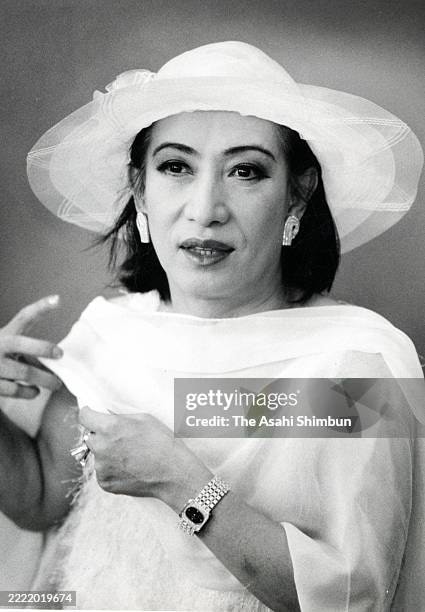
아키히로 미와는 일본의 가수, 배우, 감독, 작곡가, 작가이자 드랙 퀸으로, 70년 이상의 경력을 가졌습니다. 1935년 5월 15일 나가사키에서 아키히로 마루야마로 태어난 그는 1950년대 샹송 가수로 처음 명성을 얻었으며, 그의 중성적인 스타일과 강력한 목소리는 센세이션을 일으켰습니다. 곧 그는 연극으로 영역을 넓혀 데라야마 슈지, 미시마 유키오 같은 전위적 인물들과 협업하고 자신의 프로덕션을 연출했습니다. 그의 영화 경력에는 데라야마의 실험적 작품과 두 편의 스튜디오 지브리 영화인 《하울의 움직이는 성》(2004)에서 황폐한 마녀 역, 《그대들은 어떻게 살 것인가》(2023)에서 회색 왜가리 역이 포함됩니다. 미와는 또한 예리한 재치와 영적 조언으로 유명한 토크쇼 《오라의 샘》에서 사랑받는 TV 유명 인사가 되었습니다. 그는 2026년 6월 20일 91세의 나이로 세상을 떠났으며, 두려움 없는 창의성과 개성의 유산을 남겼습니다.
초기 생애 및 배경
아키히로 미와는 나가사키에서 카페와 레스토랑을 운영하는 가정에서 10남매 중 하나로 태어났습니다. 10살 때인 1945년 8월 9일, 그는 나가사키 원자폭탄 투하에서 살아남았으며, 이 경험은 그의 세계관과 평생의 평화 옹호 활동에 깊은 영향을 미쳤습니다. 그는 나중에 이렇게 회상했습니다. "거의 세상의 종말처럼 보였습니다. 풍경은 인간이 멸종한 세상처럼 보였습니다." 그는 탈모와 빈혈을 포함한 장기적인 방사선 영향을 겪었습니다. 미와는 사코 국립 초등학교에 다녔습니다. 중학교 때 음악 선생님이 그를 여성 소프라노 그룹에 초대하여 음악적 관심을 불러일으켰습니다. 1951년 중학교를 졸업한 후, 그는 도쿄로 이주하여 구니타치 음악대학 고등부에 입학했지만 중퇴했습니다. 나가사키로 돌아왔을 때, 그는 아버지가 재정적으로 어려움을 겪는 친척들을 버린 사실에 분노했습니다. 말다툼 끝에 아버지는 그를 출생했습니다. 미와는 가족 지원금을 잃은 후 바텐더로 일하기 시작했습니다. 16세에 도쿄의 샹송 카페에서 노래를 부르기 시작했습니다. 17세에는 게이 바의 카바레에서 공연하며 프랑스 가수 이베트 길베르와 에디트 피아프에게 영감을 받은 자신만의 시그니처 스타일을 발전시켰습니다. 그의 돌파구는 도쿄 긴자 지구의 유명한 샹송 카페인 긴파리에서 공연하면서 찾아왔으며, 그의 우아한 목소리와 세련된 무대 매너는 미시마 유키오, 에도가와 란포, 가와바타 야스나리 등 지식인들을 매료시켰습니다.
경력 성장
미와는 1957년 프랑스 노래 "메케 메케"의 일본어 버전으로 전국적인 명성을 얻었으며, 이는 장난기 넘치고 국제적인 히트곡으로 관습을 무시하는 연기자로서의 입지를 굳혔습니다. 1965년, 그가 직접 쓴 발라드 "요이토마케의 노래"는 부모와 자식에 대한 실화를 바탕으로 한 거의 6분 길이의 노래로, 일하는 사람들에 대한 존경과 어머니에 대한 감사를 표현하며 큰 히트를 쳤습니다. 그는 NHK의 《홍백가합전》에서 이 노래를 여러 번 공연했습니다. 1960년대와 1970년대 동안 미와는 전위 연극 인물 데라야마 슈지와 그의 텐조 사지키 극단과 광범위하게 협력하여 《라 마리-비종》을 포함한 프로덕션에 출연했습니다. 그는 또한 작가 미시마 유키오와 긴밀히 협력했으며, 미시마는 에도가와 란포의 《검은 도마뱀》을 미와가 팜므 파탈 미도리카와 부인 역을 맡도록 각색했습니다. 미와는 무대와 영화 각색 모두에 출연하여 비평가들의 찬사를 받았습니다. 1970년대와 1980년대에 그는 영화 연기로 확장하여 데라야마의 실험적 작품 《책을 버리고 거리로 나서라》에 출연하고 오페라와 뮤지컬의 자신의 호화로운 무대 프로덕션을 연출했습니다. 미와는 미야자키 하야오의 《모노노케 히메》(1997)와 《하울의 움직이는 성》(2004)에서 황폐한 마녀 역을 더빙하여 새로운 세대의 팬들에게 알려졌습니다. 2005년부터 2009년까지 그는 TV 아사히의 토크쇼 《오라의 샘》에서 사랑받는 TV 유명 인사가 되었으며, 그의 신성한 노란색 헤어스타일, 우아한 드레스, 부드러운 미소는 일본의 영성 붐을 촉발하는 데 도움을 주었습니다. 그는 2010년대에 NHK 드라마 시리즈 《하나코와 앤》의 내레이터를 맡았고 넷플릭스 시리즈 《얼터드 카본》(2018)에 출연했습니다. 그의 마지막 영화 역할은 미야자키 하야오의 《그대들은 어떻게 살 것인가》(2023)에서 회색 왜가리 역을 더빙한 것으로, 그의 경력에 적절한 마침표를 찍었습니다.
경력 연표
대중적 이미지 및 스타일
명성과 팬덤
Akihiro Miwa's legacy as a cultural force endures long after his passing in 2026, cementing his status as a singular icon who defied the rigid social norms of post-war Japan. His influence transcended generations, evolving from a chanson sensation into a global symbol of gender-fluid expression and artistic resilience. In the digital landscape of August 2026, his fame remains robust and precisely measured by the iFANN Global Fame Rankings. The data confirms he stands as the 75th most famous person in Japan, holding steady from the previous cycle, while simultaneously securing the 44th most famous person in J-Pop / J-Rock globally. These placements reflect a sustained reverence for an artist who refused to be categorized.
Though no formal organization or specific name defines his following, the community that mourned him was vast and deeply personal. It comprised anime enthusiasts, drag culture advocates, and survivors of trauma who viewed Miwa not merely as an entertainer but as a spiritual anchor. Following his death at age 91, this dispersed group mobilized through digital memorials and streaming campaigns rather than structured fan clubs. Their tributes flooded social media, transforming online spaces into impromptu shrines where yellow roses became the universal language of remembrance. This collective outpouring highlighted how Miwa's life story, surviving the atomic bombing of Nagasaki and emerging as a fearless performer, resonated with anyone seeking to embrace their own identity against overwhelming odds.
흥미로운 사실과 전설
Akihiro Miwa survived the atomic bombing of Nagasaki at age 10, an experience that made him a lifelong peace and nuclear disarmament advocate. His song "Furusato no Sora no Shita ni" reflects the harrowing experience of surviving the bombing of his hometown. Another song, "Sokoku to Onnatachi," highlights the plight of former Japanese comfort women after World War II. His stage name "Miwa" was chosen as a professional name distinct from his birth name Maruyama. He was a muse to both Yukio Mishima and Shūji Terayama, two of Japan's most important post-war cultural figures. Mishima specifically adapted Black Lizard for Miwa to star in. His signature yellow hair and elegant dresses on Aura no Izumi became iconic, and fans often sent yellow roses, his favorite flowers. One widely retold story concerns his portrayal of Moro, the wolf goddess in Hayao Miyazaki's Princess Mononoke (1997). His deep, resonant voice brought a unique gravitas to the character that remains a primary reference point for fans of Studio Ghibli. This performance, alongside his role as the Witch of the Waste in Howl's Moving Castle, solidified his reputation as a master voice actor. Culturally, he is legendary for being one of Japan's first androgynous pop-culture stars, known for his "gender-fluid glamour" and refusal to be placed in any box, which made him a pioneer for LGBTQ+ representation in the mid-20th century. His theatrical career also contributed to his legend, starring in Shūji Terayama's avant-garde play La Marie-Vison and Mishima Yukio's Black Lizard, performances that cemented his status as a counter-cultural icon. Fans still recount the moment he voiced Arceus in the Pokémon franchise, a rare instance where his deep timbre reimagined a legendary deity, proving his vocal versatility knew no bounds.
주목할 만한 어록
“It seemed almost the end of the world. The landscape looked like a world where human beings had died out.”
“I can never forget all the cruel scenes of those days. These memories are the mainspring of my songwriting.”
“Thank you.”
가족 및 사생활
주요 관계
연애 관계 및 이력
사망과 그 이후
사망
June 20, 2026 (향년 91세)
사망지
Tokyo
사망 원인
Old age
The agency representing Akihiro Miwa confirmed the singer's passing on June 20, 2026, at approximately 9:30 a.m. due to old age, ruling out any need for an autopsy or legal inquest given the natural circumstances of his death. The 91-year-old artist died peacefully in Tokyo, having survived the atomic bombing of Nagasaki as a child and lived a life defined by artistic defiance across seven decades. Tributes flooded global platforms immediately, with The New York Times publishing a tribute that highlighted his status as one of Japan's first androgynous pop-culture stars. The Asahi Shimbun later described him as a defiant icon for marginalized communities, while fans gathered on social media to share memories of his drag performances and survival story.
Streaming services saw immediate surges in viewership for his voice work in Studio Ghibli films like Howl's Moving Castle and The Boy and the Heron, cementing his legacy as a spiritual guide for new generations. Cultural commentators have since discussed establishing a foundation dedicated to his legacy as a queer icon and survivor, though no official entity has been confirmed yet. His estate remains under private management by his family and legal representatives.
재산 (유산 가치)
수상 및 영예
대표작
Howl's Moving Castle
2004 · Witch of the Waste (voice)
The Boy and the Heron
2023 · Gray Heron (voice)
Aura no Izumi
2005-2009 · Himself / Regular panelist
키워드
출처
빠른 정보
- 직업
- singer, actor, director, composer, author, drag queen
- 출생
- May 15, 1935
- 출생지
- Nagasaki, Japan
- 사망
- June 20, 2026
- 성별
- 남성
- 별자리
- Taurus
개인 정보
- 본명
- Akihiro Maruyama
- 학력
- Attended Kunitachi College of Music Senior High School (dropped out)
필모그래피
25
전체
15
영화
10
TV
자주 묻는 질문
아키히로 미와는 결혼했나요?
아키히로 미와의 사인은 무엇인가요?
아키히로 미와는 사망 당시 몇 살이었나요?
아키히로 미와가 출연한 스튜디오 지브리 영화는 무엇인가요?
아키히로 미와에게 자녀가 있었나요?



커뮤니티 참여
명의 팬이 이야기 중