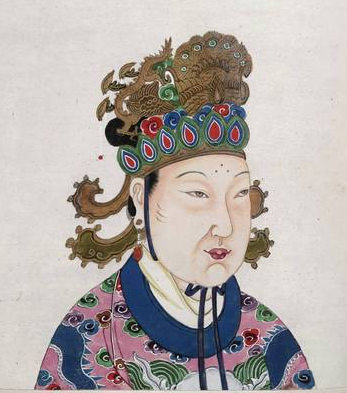
Wu Zetian
 China
Chinaempress consort•poet•empress regnant
Also known as: Empress Wu, Wu Zhao, Wu Hou, Empress Zetian
생일
February 17, 624
별자리
Aquarius
출생지
Guangyuan (disputed), Tang China
나이
81세에 사망
소개
Wu Zetian was the only woman in the long history of China to rule as emperor in her own right. Born Wu Zhao in 624, she rose from being a teenage concubine to the most powerful person in the realm, eventually founding her own Zhou dynasty and ruling for fifteen years. Her ascent shattered the deepest conventions of a deeply patriarchal society, and her reign remains a subject of fierce debate.
As emperor, Wu Zetian was both ruthless and capable. She employed a network of informants, eliminated rivals with brutal efficiency, and was long portrayed by Confucian historians as a villainess. But modern scholarship paints a more complex picture. She reformed the civil service examination system to favor talent over aristocratic birth, expanded China's territory, and patronized Buddhism, commissioning the giant Buddha at Longmen Grottoes. Her reign brought stability and prosperity that helped set the stage for the later golden age of the Tang.
Wu Zetian was also a poet and a creator of her own Chinese character. Her blank tombstone at Qianling Mausoleum symbolizes the enduring controversy around her legacy. She remains one of the most fascinating and studied figures in Chinese history, a woman who wielded absolute power in a world that told her she could not.
초기 생애 및 배경
무조(武曌)는 유력 가문에서 태어났습니다. 그녀의 아버지 무사확(武士彠)은 목재 상인이었으나 당나라를 세운 반란을 지지하여 공부상서(工部尙書)까지 올랐습니다. 그녀의 어머니 양 부인(楊夫人)은 강력한 양(楊) 가문 출신이었습니다. 당시 대부분의 소녀들과 달리, 무조는 글 읽기와 학문을 장려받았습니다. 그녀는 역사, 정치, 서예, 음악, 시를 배우며 날카로운 지성과 야망을 키웠습니다.
무조가 열네 살쯤 되었을 때, 태종 황제가 그녀를 낮은 지위의 후궁으로 선택했습니다. 그녀의 어머니는 이별에 눈물을 흘렸지만, 무조는 "어찌 그것이 제 행운이 아니라는 것을 아십니까?"라고 말했다고 전해집니다. 궁정에서 그녀는 비서로 일하며 제국의 권력 작용을 흡수했습니다. 전설에 따르면, 점성가 원천강(袁天罡)은 그녀가 태어날 때 언젠가 천하를 다스릴 것이라고 예언했다고 합니다. 649년 태종이 죽자, 무조와 다른 자식 없는 후궁들은 감업사(感業寺)로 보내져 불교 비구니가 되었고, 이는 그녀의 이야기를 끝낼 관습적인 운명이었지만, 그녀는 다른 계획을 가지고 있었습니다.
경력 성장
무조의 사원 귀환은 아버지가 살아있을 때 그녀를 알고 있던 새로운 황제 고종(高宗)에 의해 계획되었습니다. 왕 황후(王皇后)가 무조를 경쟁 후궁에 대한 유용한 동맹으로 보고 도움을 주어, 무조는 651년경 궁정으로 돌아왔습니다. 그녀는 빠르게 두 여성을 모두 제압했습니다. 655년, 그녀의 갓난 딸의 의문스러운 죽음 이후 — 그녀가 왕 황후를 모함하기 위해 조작했다고 비난받은 사건 — 무조는 황후가 되었습니다.
660년부터 고종은 쇠약해지는 질병으로 고통받았고, 무조가 그를 대신해 통치하기 시작했습니다. 그녀는 군사 작전을 명령하고 법률을 공포하며 제국을 효과적으로 장악했습니다. 683년 고종이 죽자, 그녀는 황태후가 되어 아들을 대신해 섭정을 했습니다. 그러나 그녀는 더 많은 것을 원했습니다. 684년 그녀는 아들을 즉위 44일 만에 폐위시키고 다른 아들로 교체했으며, 690년에는 그도 밀어내고 스스로 새로운 주 왕조의 황제라고 선포했습니다.
무조의 황제 통치는 705년까지 지속되었습니다. 그녀는 능력에 기반한 시험을 통해 관료를 승진시키고, 영토를 확장했으며, 불교를 후원했습니다. 또한 정보원을 고용하고 가혹한 조치로 반대를 진압했습니다. 705년, 쿠데타로 인해 그녀는 아들 중종(中宗)에게 양위하고 당나라를 복원해야 했습니다. 무조는 그해 말 81세의 나이로 사망했습니다.
경력 연표
대중적 이미지 및 스타일
수세기 동안 측천무후는 남성 유교 역사가들에 의해 냉혹하고 권력에 굶주린 악녀로 묘사되었으며, 이 서사가 그녀의 이미지를 지배했습니다. 그녀는 성적으로 타락하고, 살인적이며, 부자연스럽고, 적절한 질서를 거스른 여성으로 그려졌습니다. 현대에 들어 그 이미지는 복잡해졌습니다. 페미니스트 학자와 역사가들은 그녀의 통치를 재검토하여, 불가능한 체제에서 활동한 유능한 통치자로 인정했습니다. 그녀는 이제 노련한 정치가, 개혁가, 예술과 불교의 후원자로 여겨집니다. 대중 문화는 그녀의 복잡성을 받아들여, 영화와 TV 드라마에서 그녀는 악당이자 비극적 영웅으로 등장합니다. 공식적인 팬덤은 없지만, 그녀는 역사 포럼, Reddit, Quora에서 널리 논의되며, 그녀의 유산에 대한 논쟁은 여전히 활발합니다.
명성과 팬덤
Wu Zetian stands as a singular figure in the annals of history, her legacy transcending the centuries to command attention in the modern digital landscape. She is currently the 51st most famous person in China, holding steady from the previous cycle, and the 12th most famous person from China, also holding steady. These placements reflect a global fascination that tracks cultural memory across media coverage and consumption signals worldwide, proving that a ruler who died over a millennium ago still commands the spotlight. Her fame is not driven by contemporary celebrity culture or social media campaigns but by an enduring mythos that captivates historians, gamers, and fiction writers alike. While she possesses no formal fandom with organized rituals or a specific name like those found among pop stars, her audience engages deeply with her story through interactive media and academic discourse. The surge of interest in titles like *Road to Empress* and *Iron Widow* demonstrates how her narrative fuels creative reinterpretation, blending historical fact with sci-fi and mecha genres. Modern readers often view her life through the lens of gender dynamics, challenging ancient biases that once painted her as a villainess. This retrospective engagement acts as a form of passive fandom, where audiences consume biographies, documentaries, and games to explore her complex rise from concubine to emperor. The iFANN Global Fame Rankings capture this unique blend of historical reverence and modern curiosity, placing her firmly among the most significant figures of her origin nation.
흥미로운 사실과 전설
Wu Zetian created her own Chinese character "曌" (Zhao) for her name, ingeniously combining the symbols for sun, moon, and sky to signify her divine authority. Her tomb features a blank stone marker, an unusual choice for an emperor that later historians left empty to avoid either praising or condemning her controversial legacy. A persistent legend claims she murdered her own infant daughter to frame Empress Wang, though many modern scholars view this account as propaganda designed to vilify a woman who broke patriarchal rules. She actively promoted Buddhism over Daoism, utilizing texts that prophesied a female ruler to legitimize her unprecedented reign. Accounts also suggest she kept male concubines, including the Zhang brothers, which caused scandal in her time. Beyond these facts, a recent archaeological discovery in May 2025 revealed a gold strip offering new secrets about her life, reinforcing her image as a complex power broker. Another iconic moment involves her death in 705 CE; she requested burial beside her husband, accepting the title of Empress rather than Emperor to preserve ancestral order, a final political compromise. Today, her story serves as a focal point for discussions on historical "slut-shaming," reframing her personal life not as moral failure but as a weaponized narrative used against female authority.
주목할 만한 어록
“How do you know that it is not my fortune?”
“Women are to be led and to follow others... A woman ruler would be as unnatural as having a hen crow like a rooster at daybreak.”
“I am the son of heaven, and I will do as I please.”
“The empire is my family. If I do not rule it, who will?”
가족 및 사생활
무조의 아버지 무사확(武士彠)은 목재 상인에서 당나라 관리가 되어 공부상서(工部尙書)를 지냈습니다. 그녀의 어머니 양 부인(楊夫人)은 강력한 양(楊) 가문 출신이었습니다. 무조가 열두 살쯤 되었을 때 아버지가 사망한 후 가세가 기울었고, 그녀는 이복 형제들과 사촌들에게 괴롭힘을 당했다고 전해집니다. 무조에게는 두 명의 이복 형제, 두 명의 친자매, 그리고 여러 사촌이 있었습니다. 그녀는 고종 황제와의 사이에서 여섯 명의 자녀를 두었습니다: 네 아들(이홍(李弘), 이현(李賢), 이철(李哲), 이단(李旦))과 두 딸입니다. 한 딸은 의문스러운 상황에서 유아기에 사망했습니다. 살아남은 딸 태평공주(太平公主)는 스스로 강력한 정치 인물이 되었습니다. 무조는 683년 고종이 사망한 후 재혼하지 않았습니다.
주요 관계
측천무후의 삶은 당나라 황실과 얽혀 있었습니다. 태종 황제는 그녀의 첫 번째 남편이자 황제였습니다. 그의 아들 고종 황제는 그녀의 두 번째 남편이자 자녀들의 아버지가 되었습니다. 왕 황후와 소(蕭) 후궁은 그녀가 폐위시키고 죽인 경쟁자였습니다. 그녀의 아들 이홍과 이현은 의문스러운 상황에서 젊은 나이에 사망했습니다. 아들 이철은 중종 황제가 되었다가 그녀에게 폐위되었고, 이단은 그녀의 섭정 아래 예종(睿宗) 황제가 되었습니다. 그녀의 딸 태평공주는 주요 정치 인물이었습니다. 장역지와 장창종 형제는 그녀의 말년에 남성 총애를 받았습니다.
연애 관계 및 이력
측천무후는 두 번의 알려진 관계를 가졌습니다. 첫 번째는 당 태종(이세민)과의 관계로, 그녀가 열네 살이던 638년에 태종이 그녀를 후궁으로 맞이했습니다. 그녀는 오품 빈으로 섬겼으며, 역사와 정치에 대한 지적인 대화를 나누었습니다. 태종은 그녀를 '미낭'(아름다운 소녀)이라고 불렀습니다. 두 사람 사이에 자녀는 없었습니다. 이 관계는 649년 태종이 사망하면서 끝났고, 이후 측천무후는 불교 사원으로 보내졌습니다.
두 번째이자 더 중요한 관계는 태종의 아들인 당 고종(이치)과의 관계였습니다. 그들은 아마도 측천무후가 여전히 태종의 후궁이었을 때부터 관계를 시작했을 것입니다. 태종 사후, 고종은 651년경 그녀를 사원에서 다시 불러들였습니다. 그들은 결혼했고, 측천무후는 655년에 황후가 되었습니다. 두 사람은 함께 여섯 자녀를 두었습니다. 660년부터 측천무후는 고종의 질병으로 인해 사실상 통치했습니다. 이 결혼은 683년 고종이 사망할 때까지 지속되었습니다. 측천무후는 재혼하지 않았습니다. 2026년 현재, 측천무후는 705년에 사망하여 고인입니다.
- 교제했음Emperor Taizong of Tang638 - 649측천무후는 당 태종의 후궁(재인)이었으며, 지적인 대화를 나누었지만 자녀는 없었습니다.
- 기혼Emperor Gaozong of Tang651 - 683측천무후는 사원에서 돌아온 후 고종과 결혼했으며, 여섯 자녀를 두었고 660년부터 사실상 통치했습니다.
사망과 그 이후
사망
December 16, 705 (향년 81세)
사망지
Luoyang
사망 원인
Natural causes following long illness
Inside the Qingshan Palace in Luoyang, the capital of her Zhou dynasty, Wu Zetian lay ill as the political winds shifted violently around her. For months she had been isolated from her son and court officials by favored concubines Wei Anshi and Yu Yanqing, a barrier that crumbled when conspirators led by Zhang Jianzhi stormed the palace on February 20, 705 to force her abdication. The aging empress, now effectively sidelined from active rule, passed away on December 16, 705, at the age of 81 following a long decline in health consistent with natural causes.
Imperial chronicles and the testimony of attending physicians established this cause, dismissing later legends of poisoning as unconfirmed speculation. The immediate aftermath was defined not by mourning but by a fierce political recalibration. While her son Emperor Zhongzong initially granted her the title "Shengshen Huanghou," Confucian scholars quickly moved to condemn her memory, removing her spirit tablet from the ancestral temple and erasing inscriptions to paint her as a cautionary tale of female ambition. Her funeral proceeded as a state burial alongside Emperor Gaozong at the Qianling Mausoleum in Shaanxi, though the ceremony remained subdued amidst the turmoil of the Tang restoration.
Her legacy was sealed by the enigmatic No Stone Inscription erected by her son, a blank stele allowing history to judge her merits and faults without official bias. Over centuries, the narrative shifted from villainy to recognition of her capability as a statesman who expanded the civil service examination system, yet her personal property was absorbed back into the imperial treasury upon the dynasty's return.
재산 (유산 가치)
$0
iFANN 편집팀 추정치
As a historical figure who passed away in 705 CE, Wu Zetian has no contemporary net worth. During her reign, she controlled the imperial treasury of the Tang and Zhou dynasties, funding massive military campaigns, construction projects, and the lavish imperial court. No reliable estimates of her personal wealth exist, and there is no posthumous estate to be valued in monetary terms. Her legacy remains strictly historical and cultural rather than financial. Per iFANN's editorial analysis, the total value attributed to her personal fortune is $0.
수상 (5)
7~8세기의 역사적 인물로서, 측천무후는 현대의 시상식보다 앞선 시대의 인물입니다. 그녀는 생애 동안 재인, 황후, 태후, 황제의 칭호를 보유했습니다. 그녀는 사후에 측천황후라는 시호를 받았습니다. 현대적인 상은 존재하지 않습니다.
638 · 황실 칭호
Service to Emperor Taizong
655 · 황실 칭호
Marriage to Emperor Gaozong
대표작
Only female emperor in Chinese history
690–705 · 황제
Zhou dynasty
690–705 · Founder and ruler
Reform of civil service examination system
7th century · Patron
Patronage of Buddhism
7th century · Patron
Poetry
7th century · Poet
키워드
출처
빠른 정보
- 직업
- empress consort, poet, empress regnant
- 출생
- February 17, 624
- 출생지
- Guangyuan (disputed)
- 사망
- December 16, 705
- 사망지
- Luoyang
- 성별
- 여성
- 배우자
- Emperor Gaozong of Tang
- 별자리
- Aquarius
개인 정보
- 본명
- Wu Zhao
- 배우자
- Emperor Gaozong of Tang
- 자녀
- Li Hong, Li Xian, Li Zhe (Emperor Zhongzong), Li Dan (Emperor Ruizong), Princess Taiping, and one daughter who died in infancy
- 학력
- Educated at home in literature, history, politics, calligraphy, music, and poetry
자주 묻는 질문
측천무후가 정말 자신의 딸을 죽였나요?
측천무후는 어떻게 황제가 되었나요?
측천무후의 자녀들에게는 무슨 일이 일어났나요?
측천무후는 좋은 통치자였나요?
측천무후는 어디에 묻혀 있나요?
비슷한 인물
커뮤니티 참여
명의 팬이 이야기 중