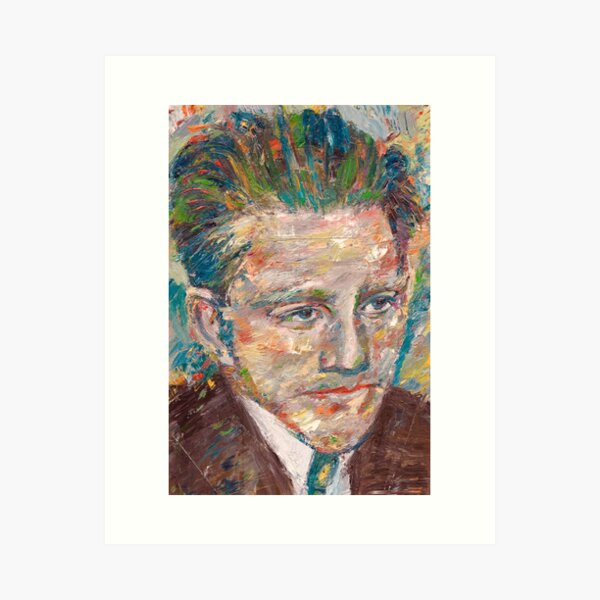
Werner Heisenberg
 Germany
theoretical physicist•mountaineer•non-fiction writer
생일
December 5, 1901
별자리
Sagittarius
출생지
Würzburg, Germany
나이
74세에 사망
소개
베르너 하이젠베르크는 독일의 이론 물리학자이자 양자역학의 주요 창시자 중 한 명으로, 인간의 아원자 영역에 대한 이해를 혁명적으로 바꾼 이론을 세웠습니다. 젊은 시절 그는 물리학의 완전히 새로운 틀을 확립하는 기초적인 돌파구를 마련했으며, 1932년 양자역학 창시로 노벨 물리학상을 수상했습니다. 하이젠베르크는 불확정성 원리로 가장 유명합니다. 이는 입자의 위치와 운동량 같은 특정 물리적 성질 쌍을 동시에 얼마나 정밀하게 알 수 있는지에 근본적인 한계가 있다는 심오한 통찰입니다. 이 아이디어는 결정론과 측정에 대한 고전적 가정을 뒤집었고, 모든 과학에서 가장 중요하고 널리 논의된 개념 중 하나가 되었습니다. 그는 또한 행렬역학과 원자핵 및 다른 현상에 대한 이론에 기여했습니다. 그의 유산은 제2차 세계 대전 중 나치 독일의 핵 연구 프로그램을 주도했던 역할로 인해 복잡해졌습니다. 그가 폭탄 제조에 얼마나 헌신했는지, 그리고 의도적으로 노력을 지연시켰는지 여부는 그 이후로 역사적 논쟁의 대상이 되어 왔습니다. 뛰어나지만 논란의 여지가 있는 인물로서, 그는 도덕적·정치적 어려움을 헤쳐 나가며 물리학을 형성했습니다. 베르너 하이젠베르크는 양자 이론의 창시자 중 한 명으로 기억됩니다.
초기 생애 및 배경
베르너 카를 하이젠베르크는 1901년 12월 5일 독일 뷔르츠부르크에서 독일 교양 중산층 가정에서 태어났습니다. 그의 아버지 아우구스트 하이젠베르크 박사는 뮌헨 대학교에서 중세 및 현대 그리스어 교수였습니다. 하이젠베르크는 뮌헨의 막시밀리안스 김나지움에 다녔으며, 그곳에서 수학과 물리학에 대한 뛰어난 학업 성취를 드러냈습니다. 그는 잠시 수학자가 되기를 고려했지만, 아르놀트 조머펠트의 저작을 읽고 물리학에 매료되었습니다. 1920년 뮌헨 대학교에 입학하여 조머펠트 밑에서 공부했습니다. 학부 시절 그는 뛰어난 등산가이자 피아니스트가 되었습니다. 1923년 난류에 관한 논문으로 박사 학위를 받았으며, 이 주제는 유체 역학과 수학에 대한 그의 관심을 결합한 것이었습니다. 얼마 지나지 않아 그는 괴팅겐 대학교에서 막스 보른의 조교가 되어 양자 이론에 깊이 빠져들기 시작했습니다. 1924년 코펜하겐으로 가서 닐스 보어와 함께 일했으며, 이 경험은 원자 물리학에 대한 그의 접근 방식을 깊이 형성했습니다.
경력 성장
하이젠베르크의 돌파구는 1925년 그의 재해석 논문을 발표하면서 이루어졌으며, 이 논문은 최초의 완전한 양자역학 공식화인 행렬역학을 창시했습니다. 막스 보른과 파스쿠알 요르단과 함께 개발된 이 연구는 기존의 양자 이론을 엄격한 수학적 틀로 대체했습니다. 1927년 라이프치히 대학교에 재직 중이던 그는 특정 물리적 성질 쌍을 임의의 정밀도로 동시에 아는 것이 불가능하다는 양자 이론의 초석인 불확정성 원리를 공식화했습니다. 이러한 업적으로 그는 1932년 노벨 물리학상을 수상했습니다. 1933년에는 막스 플랑크 메달을 받았습니다. 제2차 세계 대전 중인 1939년 그는 독일 핵 프로그램(우란페라인)의 책임자로 임명되었으며, 이 역할은 광범위한 역사적 논쟁을 불러일으켰습니다. 전후 그는 1946년 괴팅겐의 카이저 빌헬름 물리학 연구소 소장이 되었으며, 이 연구소는 막스 플랑크 물리학 연구소로 이름이 변경되었습니다. 1957년 그는 서독의 핵무장에 반대하는 괴팅겐 선언에 서명했습니다. 1958년 연구소의 뮌헨 이전을 감독하고 은퇴할 때까지 소장직을 유지했습니다. 그는 통일장 이론과 기본 입자의 본성에 대한 연구를 계속했습니다.
경력 연표
대중적 이미지 및 스타일
베르너 하이젠베르크의 대중적 이미지는 내성적이고 지적인 거인, 전형적인 독일 교수로 날씬한 체격에 어두운 정장과 둥근 철제 안경을 쓴 모습으로 자주 촬영되었습니다. 그의 미학은 학술적이고 절제되어 있었으며, 이론 물리학에 대한 그의 집중을 반영했습니다. 미디어는 그를 양자 불확정성의 수수께끼 같은 아버지이자 나치 시대 과학에서의 역할로 인해 찬사와 논란을 동시에 받는 인물로 묘사했습니다. 팬과 역사학자들은 그의 과학적 탁월함에 대한 존경과 전시 행동에 대한 비판을 섞어 평가합니다. 그는 공식적인 팬덤 이름이 없지만, 그의 유산은 물리학 및 역사 분야에서 격렬한 논쟁을 불러일으킵니다. 그의 소셜 미디어 존재는 순전히 제도적이며, 막스 플랑크 협회가 관리하며 학문적 존경의 어조를 띱니다.
명성과 팬덤
Werner Heisenberg stands as the 95th most famous person in Germany, a position noted in recent cycles, and holds the 73rd spot among figures in Books & Literature. These placements within the iFANN Global Fame Rankings reflect a legacy that has endured for decades without fading into obscurity. While his fame is anchored in the hard facts of physics, the rankings track how his story continues to resonate across global media coverage and consumption signals worldwide. The data shows he slipped slightly from the 94th rank in his country and moved down from the 69th in his industry since the last update.
Unlike modern celebrities, Heisenberg never cultivated a fanbase with organized groups, rituals, or official names. There are no fan clubs, no birthday campaigns, and no community-driven movements dedicated to his memory. His audience consists entirely of historians, physicists, students, and readers drawn to his scientific contributions and the moral complexities of his life during World War II. The absence of a formal fandom name is not an oversight but a reflection of his reality; he was a scholar who worked in quiet laboratories rather than on stages designed for adoration.
흥미로운 사실과 전설
Heisenberg was an accomplished pianist who frequently performed chamber music with colleagues and maintained a lifelong passion for mountaineering in both the Alps and the Himalayas. A student of philosophy, he often engaged deeply with the works of Plato and Kant, while his youth included membership in the German Scout Association. During the war, his Nobel Prize medal was melted down to prevent confiscation by occupying forces, only to be recast later. Notably, he never used the term uncertainty principle himself, preferring the original phrasing of indeterminacy principle.
The cultural mythology surrounding him includes the widely retold story of his development of the uncertainty principle in 1927 while working in Copenhagen and Göttingen, a moment that fundamentally altered our understanding of subatomic particles. Another iconic image is the 1927 Solvay Conference photograph, often called the most intelligent photo ever taken, featuring Heisenberg alongside giants like Einstein and Bohr. Perhaps the most debated narrative involves his leadership of the German nuclear program, where the legend persists that he may have intentionally sabotaged the atomic bomb project, a story cemented by Michael Frayn's play Copenhagen which dramatizes a secret 1941 meeting between Heisenberg and Niels Bohr.
주목할 만한 어록
“What we observe is not nature itself, but nature exposed to our method of questioning.”
“The first gulp from the glass of natural sciences will turn you into an atheist, but at the bottom of the glass God is waiting for you.”
“Not only is the Universe stranger than we imagine, it is stranger than we can imagine.”
“An expert is someone who knows some of the worst mistakes that can be made in a very narrow field.”
“The solution of the difficulty is that the two mental pictures which experiment lead us to form, the one of the particles, the other of the waves, are both incomplete and have only the validity of analogies which are accurate only in limiting cases.”
가족 및 사생활
베르너 하이젠베르크는 비잔틴 문헌학 교수인 아우구스트 하이젠베르크 박사와 애니 베클라인의 아들이었습니다. 그에게는 화학자가 된 형 에르빈이 한 명 있었습니다. 하이젠베르크는 1937년 엘리자베트 슈마허와 결혼했습니다. 부부는 마리아, 안나, 요헨 등 여러 자녀를 두었지만, 그들의 이름은 널리 알려지지 않았습니다. 가족은 주로 뮌헨과 라이프치히에서 살았습니다. 하이젠베르크는 헌신적인 아버지로 알려져 있으며, 종종 아이들을 등산 여행에 데려가고 피아노를 가르쳤습니다. 엘리자베트 하이젠베르크는 나중에 그들의 삶에 대한 회고록을 썼습니다.
주요 관계
연애 관계 및 이력
베르너 하이젠베르크는 1937년 엘리자베스 슈마허와 결혼했습니다. 두 사람은 라이프치히에서 친구들을 통해 만났으며 음악과 야외 활동에 공통된 관심을 가졌습니다. 결혼 생활은 1976년 하이젠베르크가 사망할 때까지 지속되었습니다. 엘리자베스는 하이젠베르크가 과학 경력을 추구하는 동안 가정을 관리하고 아이들을 키우며 지지하는 파트너였습니다. 그녀는 나치 정권 아래에서의 삶에 관한 회고록 《내면의 망명》을 썼습니다. 2026년 기준, 엘리자베스 하이젠베르크는 1998년에 사망하여 고인입니다. 다른 공개된 관계는 기록되지 않았습니다.
- 기혼Elisabeth Heisenberg1937 - 1976라이프치히에서 친구들을 통해 만나 그의 사망까지 결혼 생활 유지.
사망과 그 이후
사망
February 1, 1976 (향년 74세)
사망지
알 수 없음
사망 원인
알 수 없음
재산 (유산 가치)
$2 Million
iFANN 편집팀 추정치
Updated for 2026, iFANN currently estimates Werner Heisenberg's estate at $2 Million. This figure represents the value of assets held following his passing, derived primarily from his academic salary, Nobel Prize winnings, and book royalties accumulated during his lifetime. After his death in 1976, the estate has generated modest revenue through the continued sale of his scientific writings and biographies. The rights to his works remain managed by the Heisenberg family and the Max Planck Society. No major catalog sales or licensing deals have been reported in recent years. The estate's financial trajectory remains stable but modest, reflecting the academic rather than commercial nature of his enduring legacy.
수상 (2)
1932 · 물리학
Creation of quantum mechanics
1933 · 이론 물리학
Contributions to quantum theory
대표작
Uncertainty Principle
1927 · Formulator
Matrix Mechanics
1925 · 공동 창립자
Quantum Mechanics
1932 · Nobel Prize for creation
키워드
출처
빠른 정보
- 직업
- theoretical physicist, mountaineer, non-fiction writer
- 출생
- December 5, 1901
- 출생지
- Würzburg, Germany
- 사망
- February 1, 1976
- 사망지
- Munich, Germany
- 성별
- 남성
- 배우자
- Elisabeth Heisenberg
- 별자리
- Sagittarius
개인 정보
- 본명
- Werner Karl Heisenberg
- 배우자
- Elisabeth Heisenberg
- 자녀
- Several (names not widely publicized)
- 학력
- University of Munich (PhD, 1923)
자주 묻는 질문
베르너 하이젠베르크가 가장 유명한 이유는 무엇인가요?
베르너 하이젠베르크는 무엇으로 노벨상을 수상했나요?
제2차 세계 대전 중 베르너 하이젠베르크의 역할은 무엇이었나요?
불확정성 원리란 무엇인가요?
베르너 하이젠베르크는 어디에서 태어났나요?
비슷한 인물
커뮤니티 참여
명의 팬이 이야기 중