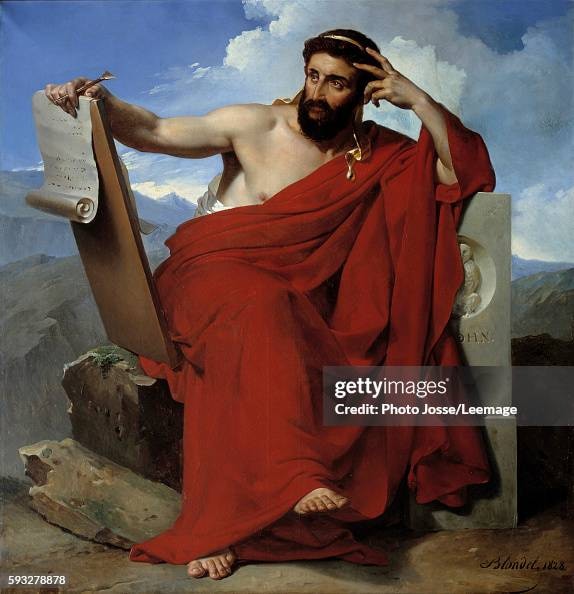
Solon
생일
638 BC
별자리
출생지
Classical Athens
나이
80세에 사망
소개
솔론은 아테네의 정치가, 입법가, 시인이었다. 그는 그리스 일곱 현인 중 한 명으로 기억되며, 종종 아테네 민주주의의 아버지로 불린다. 그의 헌법 개혁은 드라콘의 가혹한 법 대부분을 폐지하고 정치적, 경제적, 도덕적 쇠퇴에 대처했다. 솔론의 가장 유명한 조치는 '부담을 덜어주기'라는 뜻의 세이사크테이아로, 빚을 탕감하고 아테네인을 빚 노예에서 해방시켰다. 그는 또한 시민 신체를 재산에 따라 네 계급으로 재편성하여 귀족의 독점을 깨뜨렸다. 시인으로서 그는 자신의 정책을 옹호하고 정치적 논평을 제공하는 비가시를 썼다. 역사 기록의 공백에도 불구하고, 부자와 가난한 자의 이해관계를 균형 맞춘 온건한 개혁가로서의 솔론의 유산은 지속된다. 그의 개혁은 클레이스테네스 치하의 후기 아테네 민주주의를 위한 필수적인 토대를 마련했으며, 그는 역사상 가장 중요한 정치 사상가 중 한 명으로 꼽힌다. 학술 출판물과 다큐멘터리는 2024년 다큐멘터리 시리즈 『그리스인: 문명의 용광로』와 『고전 문헌학』 같은 저널의 지속적인 학술 논문처럼 그의 삶을 계속 재조명하고 있다.
초기 생애 및 배경
솔론은 기원전 638년 고전기 아테네에서 에우파트리다이 귀족 가문의 좋은 집안이지만 검소한 가정에서 태어났다. 그의 아버지는 때때로 엑세케스티데스로 불린다. 그의 교육은 시, 음악, 체육 훈련을 포함한 전통적인 귀족 파이데이아를 포함했다. 어린 시절부터 솔론은 시적 재능을 보여주었으며, 이후 그의 발전하는 정치적, 윤리적 견해를 반영할 비가시를 작곡했다.
많은 귀족 동료들과 달리, 솔론은 아테네 엘리트의 전통적인 삶에 자신을 가두지 않기로 선택했다. 젊은 시절 그는 상인이자 여행가로서의 경력을 시작했다. 자기 주도적 탐험의 이 시기는 형성적임이 입증되었으며, 그의 시야를 넓히고 고대 세계 전역의 다양한 문화와 정치 체제에 노출시켰다. 이러한 여행은 그의 정규 교육을 보충하여 아테네의 한계를 넘어 통치와 사회에 대한 그의 이해를 심화시켰다.
그의 공적 명성으로의 첫 걸음은 시인이자 군사 지도자로서의 이중 역할을 통해 나타났다. 그의 초기 비가시는 단순한 예술적 표현이 아니라 그의 정치적, 윤리적 논평을 위한 매개체이기도 했다. 그의 초기 경력에서 중추적인 순간은 기원전 600년경에 도래했는데, 그가 메가라로부터 전략적 섬인 살라미스를 탈환하기 위해 성공적으로 캠페인을 벌였을 때였다. 그는 강력한 애국시로 아테네인을 행동으로 불러일으킨 후 직접 군사 원정을 이끌었다. 이 결정적인 승리는 살라미스를 되찾았을 뿐만 아니라 아테네에서 존경받는 지도자로서 솔론을 확고히 자리매김하게 했으며, 이후 아테네 사회에 대한 그의 심오한 기여를 위한 무대를 마련했다.
경력 성장
솔론의 돌파구는 기원전 594/593년 그가 사회 위기를 해결하기 위해 특별 권한을 가진 집정관으로 선출되었을 때 왔다. 그의 첫 번째 주요 조치는 세이사크테이아로, 모든 미지급 빚을 취소하고 빚 때문에 노예가 된 아테네인을 해방시키며 미래의 빚 노예를 금지했다. 그는 아테네 시민 신체를 연간 농업 수확량(펜타코시오메딤노이, 히페스, 제우기타이, 테테스)에 따라 네 계급으로 재편성하여 귀족의 권력 독점을 깨뜨렸다. 그는 총회를 위한 안건을 준비하기 위해 400인 평의회를 창설했으며, 총회는 모든 남성 시민에게 열렸다. 그는 또한 항소를 위한 인민 법원인 헬리아이아를 설립했다. 솔론은 드라콘의 가혹한 법 대부분을 폐지하고 살인에 관한 법만 유지했으며, 더 인간적인 새로운 법전을 도입했다. 그의 개혁 후, 그는 자신의 법을 강제로 바꾸지 않도록 하기 위해 10년 동안 아테네를 떠나 이집트, 키프로스, 리디아를 여행했다. 리디아의 크로이소스 왕과의 만남은 행복의 본질에 관한 유명한 우화가 되었으며, 그 자리에서 그는 크로이소스에게 죽기 전까지는 누구도 행복하다고 할 수 없다고 말했다. 돌아온 후, 그는 페이시스트라토스의 폭정에 반대했지만 성공하지 못했다. 그는 얼마 후 키프로스에서 약 80세의 나이로 사망했다고 전해진다.
경력 연표
대중적 이미지 및 스타일
솔론의 대중적 이미지는 원형적인 현명하고 온건하며 원칙 있는 입법가의 이미지이다. 그는 미디어에서 차분하고 사려 깊으며 부패하지 않은 인물로 묘사된다. 그의 브랜드는 균형 잡힌 개혁과 법치이다. 공식적인 팬덤은 없으며, 그는 학계와 고대 철학 및 민주주의에 관심이 있는 일반 독자들 사이에서 연구 대상이다. 그는 개인 소셜 미디어 계정이 없지만, 박물관, 대학, 역사 애호가들이 관리하는 수많은 역사 계정과 페이지가 트위터/X, 페이스북, 인스타그램과 같은 플랫폼에 존재한다.
명성과 팬덤
Solon commands a steady, global presence as a foundational figure in Western political thought and history. While his name is universally recognized among students of democracy and classical antiquity, iFANN's Global Fame Engine has evaluated this person, but they do not currently hold a placement in the published rankings (Global Top 1,000 or a Top-100 scope list). The ancient statesman exists outside the modern metrics that track contemporary celebrities, musicians, and influencers. Consequently, Solon is currently the subject of academic study rather than pop-culture fandom. There is no documented fanbase with an official name, nor are there organized campaigns, merchandise drives, or social media movements dedicated to his legacy. His influence persists through historical texts, philosophical discourse, and educational curricula rather than viral trends or fan rituals. Unlike modern figures who generate measurable engagement through streaming numbers or social interactions, Solon's reach is measured by the endurance of his ideas across two and a half millennia. He remains a silent giant in the hall of fame, revered for his wisdom and reforms but absent from the active, living fandoms that define today's celebrity landscape.
흥미로운 사실과 전설
Solon was one of the first politicians to use poetry as a tool for political advocacy, writing elegiac verses to defend his radical reforms. A famous moral tale from antiquity recounts his conversation with King Croesus, where he declared that no man can be called happy until he is dead. He famously refused the chance to become a tyrant, choosing instead to uphold the rule of law even when offered absolute power. Only about 300 lines of his poetry survive today, preserved as quotations in later works by Plutarch and Aristotle. Historical records associate him closely with Peisistratus, his relative and later tyrant whom he opposed, Draco, the previous lawgiver whose harsh code he replaced, and Cleisthenes, the reformer who built upon Solon's foundations. His most famous measure, the seisachtheia or 'shaking off of burdens,' canceled debts and freed Athenians from debt slavery. One notable quote captures his philosophy: 'I gave to the common people such power as is sufficient, neither taking away their dignity nor adding too much.' Another warning against hubris reads, 'For excess gives birth to insolence, whenever great prosperity comes to men whose minds are not sound.'
주목할 만한 어록
“Call no man happy until he is dead.”
“I gave to the common people such power as is sufficient, neither taking away their dignity nor adding too much.”
“For excess gives birth to insolence, whenever great prosperity comes to men whose minds are not sound.”
가족 및 사생활
솔론이 결혼했거나 자녀를 두었다는 역사적 기록은 없다. 형제자매에 대한 기록도 없다. 그의 가족은 에우파트리다이 귀족 가문이었지만 검소한 수준이었다. 그의 아버지는 때때로 엑세케스티데스로 불린다.
주요 관계
솔론은 그의 친척이자 나중에 아테네의 참주가 된 페이시스트라토스와 관련이 있으며, 그를 반대했습니다. 그는 드라코의 가혹한 법을 보다 온건한 법전으로 대체했습니다. 리디아의 왕 크로이소스에게 유명한 조언을 했습니다. 그의 개혁은 클레이스테네스 민주주의의 토대를 마련했습니다. 플루타르코스와 아리스토텔레스가 그의 삶과 헌법에 대한 자세한 기록을 남겼습니다.
연애 관계 및 이력
솔론이 로맨틱한 관계, 결혼, 또는 자녀를 가졌다는 역사적 기록은 없습니다. 고대 자료는 아내나 후손에 대해 언급하지 않습니다. 그는 결혼했거나 약혼했거나 공개적인 로맨틱 관계에 관여한 것으로 알려지지 않았습니다. 2026년 현재, 기원전 6세기에 사망했기 때문에 그의 관계 상태는 독신이며 알려진 파트너가 없는 것으로 결론지어집니다.
사망과 그 이후
사망
558 BC (향년 80세)
사망지
알 수 없음
사망 원인
알 수 없음
The historical record regarding the final days of Solon remains a tapestry of tradition rather than documented fact, leaving the exact circumstances of his passing to the inferences of later biographers. While authoritative timelines place his death around 558 BC, no contemporary account confirms the specific location or manner of his end. The narrative often paints him as an old man, having spent his final decade traveling through Egypt and Lydia before returning to Athens to witness the rise of Peisistratus, only to pass away shortly thereafter without witnessing the full consolidation of tyranny. There is no medical statement from a family member or physician to verify whether he succumbed to natural causes, illness, or some other condition. The silence of the historical record regarding his final moments means we cannot speak of a specific disease or accident with any certainty.
Instead, the focus of his posthumous history shifts immediately to how he was remembered by the city he served. He was honored as one of the Seven Sages of Greece, a title that cemented his legacy far more effectively than any physical memorial could. No specific funeral details or burial locations were recorded in the surviving texts. These poems continued to defend his policies and offer political commentary long after his body had returned to the earth. The true aftermath of his life was not a ceremony but the enduring influence of his reforms, which laid the groundwork for Athenian democracy and kept his name alive as a symbol of moderation and wisdom for generations to come.
재산 (유산 가치)
$0
iFANN 편집팀 추정치
Per iFANN's editorial analysis, Solon had no monetary wealth in a modern sense, as he was an ancient legislator and poet who died in the 6th century BC. The concept of net worth does not apply to a figure who lived over two millennia ago and owned no business enterprises. Therefore, iFANN currently estimates his net worth at $0.
수상 및 영예
View 5 records, honours and achievements대표작
Seisachtheia (debt cancellation)
594/593 BC · Archon and lawgiver
Constitutional reforms (four classes, Council of 400)
594/593 BC · Archon and lawgiver
Repeal of Draco's laws
594/593 BC · Archon and lawgiver
키워드
빠른 정보
- 직업
- statesman, lawmaker, poet
- 출생
- 638 BC
- 출생지
- Classical Athens
- 사망
- 558 BC
- 사망지
- Cyprus
- 성별
- 남성
개인 정보
- 본명
- Solon
자주 묻는 질문
솔론은 민주주의의 아버지인가요?
솔론은 드라코의 법에 무엇을 했나요?
솔론의 가장 유명한 개혁은 무엇인가요?
솔론에게는 아내나 자녀가 있었나요?
솔론은 어떻게 죽었나요?
커뮤니티 참여
명의 팬이 이야기 중