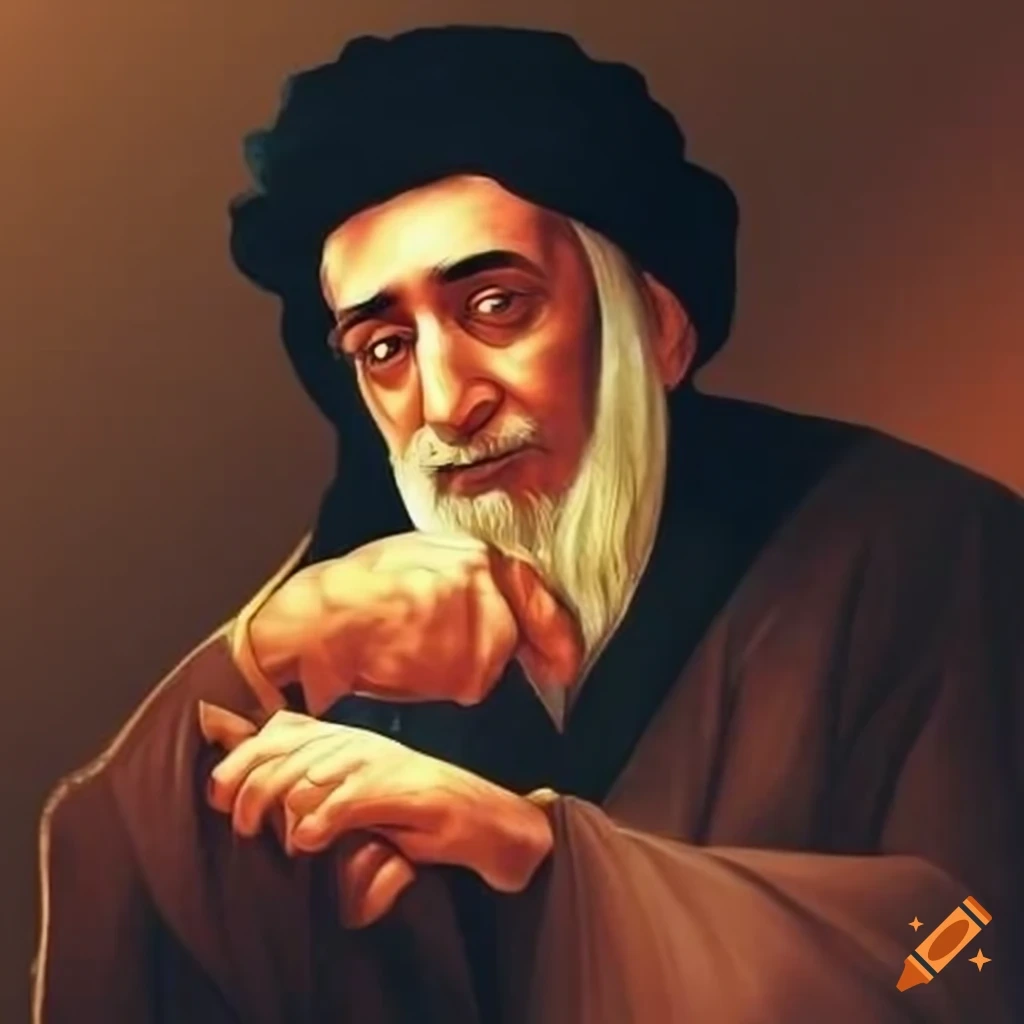
Saadi
Also known as: Abu Mohammad Moshrefoldin Mosleh ebn Abdollah ebn Mosharraf, Master of Speech, Wordsmith
생일
1210
별자리
Capricorn
출생지
Shiraz, Persia
나이
81세에 사망
소개
아부 모하마드 모슈레폴딘 모슬레 에븐 압돌라 에븐 모샤라프는 세계적으로 사디(Saadi)로 알려진 13세기 페르시아의 시인이자 작가입니다. 1210년경 쉬라즈에서 태어난 그는 우아한 산문과 도덕적으로 심오한 시로 유명합니다. 그의 필명은 경력 초기에 섬겼던 지역 왕자인 사드 이븐 젱기(Sa'd ibn Zengi)에서 유래했습니다. 사디의 작품은 영적 신비주의와 실천 윤리를 연결하며 "말의 대가" 또는 "작가"(ostad-e soxan)라는 칭호를 얻었습니다.
사디의 두 걸작인 부스탄(Bustan, 정원)과 골레스탄(Golestan, 장미 정원)은 수세기 동안 페르시아 문학에 영향을 미쳐왔습니다. 미덕에 대한 시적 탐구인 부스탄은 가디언 지가 선정한 역사상 가장 위대한 100대 도서 중 하나로 선정되었습니다. 그의 시구는 일상 대화에서 인용되며, 정의, 겸손, 자비에 대한 그의 격언은 수많은 언어로 번역되었습니다. 서구의 찬미자로는 랄프 왈도 에머슨과 요한 볼프강 폰 괴테가 있습니다.
사디는 1291년 또는 1292년 쉬라즈에서 사망했습니다. 그의 무덤은 순례지로 남아 있으며, 그의 유산은 독자와 작가 모두에게 계속 영감을 주고 있습니다.
초기 생애 및 배경
사디는 1210년경 몽골 침입 이후의 정치적 혼란기에 페르시아 쉬라즈에서 태어났습니다. 젊은 시절 법학과 역사를 공부하며 학자의 삶의 기초를 다졌습니다. 그의 필명인 사디는 경력 초기에 섬겼던 지역 왕자인 사드 이븐 젱기에서 유래했는데, 이는 당시 시인들에게 흔한 관행이었습니다.
20대에 사디는 쉬라즈를 떠나 인도에서 아나톨리아까지 이슬람 세계 전역을 광범위하게 여행했습니다. 그는 방랑하는 수피 도사로 살면서 시장, 법정, 대상 숙소에서 인간 본성을 관찰했습니다. 이러한 경험은 나중에 그의 작품을 채울 풍부한 이야기와 통찰력을 제공했습니다. 그는 바그다드에서 몇 년을 보냈으며, 그곳에서 니자미야 대학을 다녔고 시리아와 이집트와 같은 먼 곳까지 여행했습니다.
그의 여행은 단순한 학술적이지 않았습니다. 그것은 그의 형성을 위한 것이었습니다. 그는 거지부터 왕까지 모든 계층의 사람들을 만났고, 지역의 문화적, 영적 다양성을 흡수했습니다. 약 30년 동안 지속된 이 방랑 기간은 그의 세계관을 형성했고 그의 글에 시공간을 초월하는 보편적인 매력을 부여했습니다.
경력 성장
사디의 경력은 두 걸작의 작곡으로 절정에 달했습니다. 1257년에 완성된 부스탄(Bustan, 정원)은 도덕적, 철학적 성찰을 담은 시적 작품입니다. 1258년에 쓰인 골레스탄(Golestan, 장미 정원)은 이야기와 격언을 담은 산문 모음집입니다. 이 작품들은 페르시아 문학에 대한 그의 가장 위대한 공헌으로 여겨지며 수많은 언어로 번역되었습니다.
그의 영향력은 페르시아를 넘어 확장되었습니다. 그는 유럽 언어로 작품이 번역된 최초의 이란 시인이었습니다. 골레스탄의 일부는 1634년 앙드레 뒤 리에(Andre du Ryer)에 의해 프랑스어로 번역되어 사디를 서구 독자들에게 소개했습니다. 정의, 겸손, 자비에 대한 그의 격언은 그의 지혜를 존경했던 랄프 왈도 에머슨, 요한 볼프강 폰 괴테와 같은 사상가들에게 공감을 얻었습니다.
사디의 유산은 또한 그의 지속적인 관련성으로 표시됩니다. 부스탄은 가디언 지가 선정한 역사상 가장 위대한 100대 도서 중 하나로 선정되었습니다. 쉬라즈에 있는 그의 무덤은 순례자와 관광객을 끌어들이고, 그의 시구는 윤리적인 삶의 지침으로 남아 있습니다. 사디의 작품은 계속 연구되고 인용되어 페르시아 최고의 시인 중 한 명으로서 그의 자리를 굳건히 하고 있습니다.
경력 연표
대중적 이미지 및 스타일
사디는 도덕주의자이자 탁월한 언변의 대가로 숭배받습니다. 그의 대중적 이미지는 시대를 초월한 지침을 제공하는 현명한 현자입니다. 그는 종종 "말의 대가" 또는 "작가"(ostad-e soxan)라고 불리며, 아름다움과 지혜를 결합한 산문과 시를 만드는 그의 비할 데 없는 기술을 반영합니다.
그의 시구는 정치 연설부터 일상 대화에 이르기까지 페르시아어 사용 세계 전역에서 일상 대화에서 인용됩니다. 골레스탄과 부스탄은 페르시아 문학의 주요 작품으로 학교에서 가르치고 모임에서 낭송됩니다. 정의, 겸손, 자비에 대한 사디의 격언은 문화적 경계를 초월하는 보편적인 매력을 지니고 있습니다.
쉬라즈에 있는 그의 무덤은 시인, 학자, 관광객 모두가 방문하는 문화적 랜드마크입니다. 사디의 이미지는 인도주의자, 인간의 복잡성을 관찰하고 통찰력을 우아한 시로 집약한 여행자로 묘사됩니다. 그는 페르시아 문화 정체성의 상징이자 전 세계 작가와 사상가들에게 영감의 원천으로 남아 있습니다.
명성과 팬덤 (iFAMOUS Rankings)
Saadi Shirazi commands a global audience spanning centuries, yet his standing in contemporary metrics reflects the unique nature of a medieval literary figure rather than modern celebrity. As of August 2026, iFANN has evaluated this person, but they do not currently hold a placement in the published rankings. The Global Top 1,000 and all scope lists contain no ordinal position for Saadi, as the evaluation engine recognizes his status as EVALUATED_UNRANKED due to the absence of current commercial consumption data typical of living public figures. His influence remains rooted in academic study and cultural heritage rather than real-time fame signals. Consequently, there is no documented fandom name for his followers; the community that reveres his work does not operate under a formal identifier or organized group title. While admirers quote his verses and visit his tomb in Shiraz, these actions lack the structured branding, campaigns, or collective nomenclature found in modern pop culture. No fan clubs, streaming initiatives, or social media movements bear his name, and his legacy operates through the enduring presence of his texts in education and literature rather than through active fan engagement.
흥미로운 사실과 전설
A widely retold story from his youth describes him returning home to find his family impoverished; he allegedly hid his own wallet in public and claimed to have found it to teach a lesson on the impermanence of wealth. Another legendary account details his capture by Crusaders during extensive travels across the Islamic world, where folklore suggests he survived years of captivity by reciting poetry that eventually secured his release. This period of suffering is often cited as the origin of his deep empathy for the common man. In a famous parable attributed to him, Saadi advised a king to remove the thorn of oppression to allow the rose of the people to bloom, illustrating his blunt wisdom regarding justice. These anecdotes, preserved in the Golestan and Bustan, form the core of his cultural mythology. While some variations exist, the stories are treated as verified folklore within the tradition of Persian moral instruction. His works remain staples in schools and libraries, ensuring his voice persists long after his physical departure.
주목할 만한 어록
“Have patience. All things are difficult before they become easy.”
“Have patience. and sorrow and gladness are linked together.”
주요 관계
연애 관계 및 이력
역사적 기록에는 사디의 연애 관계나 가족 생활에 대한 자세한 내용이 나와 있지 않습니다. 그는 방랑하는 수피 도사로 광범위하게 여행한 것으로 알려져 있으며, 이는 정착된 가정생활을 방해했을 가능성이 높습니다. 그의 글은 개인적인 연애 관계보다는 더 넓은 인간 경험에 초점을 맞추고 있습니다.
1291년 또는 1292년 사망 당시 사디는 결혼한 것으로 알려지지 않았습니다. 그의 개인적인 관계에 대한 정보 부족은 중세 시인들에게 흔한 일이며, 그들의 전기는 종종 간략합니다. 그의 유산은 그의 개인적인 삶보다는 그의 문학 작품에 근거합니다.
사망과 그 이후
사망
1291 (향년 81세)
사망지
Shiraz, Iran
사망 원인
알 수 없음
Historical chronicles record that Saadi passed away in Shiraz on December 9, 1291, concluding a life dedicated to the refinement of Persian prose and verse. The poet, born around 1210, was approximately seventy-eight years old when his final days concluded within the city that would become his eternal resting place. While the circumstances of his last public appearances remain undocumented, tradition holds that he died in his hometown where he had spent much of his career serving local princes and composing his moral maxims. Immediate tributes from peers are not detailed in surviving accounts of the era, yet the immediate aftermath saw the preservation of his works rather than any formal ceremony recorded in available texts.
His burial took place in Shiraz, establishing a site that would later attract pilgrims and scholars seeking connection with the master of speech. Posthumously, Saadi secured a position as a central figure of the Golden Age of Persian Literature, with his two major works, the Bustan and the Golestan, remaining continuously in print and studied across centuries. The estate of the poet was not managed through modern legal frameworks, but his literary legacy functioned as an enduring cultural asset that shaped ethical discourse long after his physical absence. Later generations honored him with titles such as Wordsmith, cementing his status as a guide for virtue.
재산 (유산 가치)
$10 Million
iFANN 편집팀 추정치
As a 13th-century poet, Saadi did not accumulate wealth in the modern sense, and his financial records were never kept. Research by the iFANN Editorial Team puts his estimated net worth at $10 Million. This valuation reflects the immense cultural and commercial value of his literary estate, particularly the Bustan and Golestan, which have remained continuously in print for centuries. The enduring popularity of these books generates a steady stream of royalties from translations and academic publications worldwide. Additionally, the Iranian government and various cultural institutions manage his tomb and associated heritage sites in Shiraz, which contribute significantly to tourism revenue. Given the lack of concrete historical financial data, this figure serves as a symbolic representation of his legacy's economic impact, encompassing licensing rights and the ongoing commercial success of his works.
수상 및 영예
View 3 records, honours and achievements대표작
Bustan (The Orchard)
1257 · 시인
Golestan (The Rose Garden)
1258 · 작가
키워드
출처
빠른 정보
- 직업
- poet, writer
- 출생
- 1210
- 출생지
- Shiraz, Persia
- 사망
- 1291 or 1292
- 사망지
- Shiraz
- 성별
- 남성
개인 정보
- 본명
- Abu Mohammad Moshrefoldin Mosleh ebn Abdollah ebn Mosharraf
자주 묻는 질문
사디는 누구였나요?
사디의 가장 유명한 작품은 무엇인가요?
사디는 왜 '언어의 달인'이라고 불리나요?
사디는 어디에서 태어나 어디에서 사망했나요?
사디의 여행은 어떤 의미가 있나요?
비슷한 인물

커뮤니티 참여
명의 팬이 이야기 중