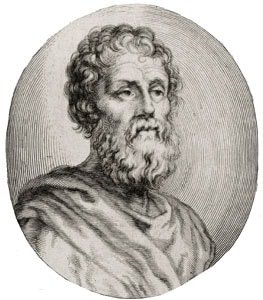
Phidias
생일
-0490-01-01
별자리
Capricorn
출생지
Athens
나이
60세에 사망
소개
기원전 490년경 아테네에서 태어난 피디아스는 고대 그리스에서 가장 유명한 조각가, 화가, 건축가였습니다. 그는 고대 7대 불가사의 중 하나인 올림피아의 제우스 상을 만든 것으로 가장 잘 알려져 있습니다. 신들의 왕이 왕좌에 앉아 있는 이 거대한 금과 상아 조각상은 신성한 표현의 기준이 되었습니다. 아테네의 아크로폴리스에서 피디아스는 두 개의 주요 아테나 상을 설계했습니다. 파르테논 신전 내부에 있던 높이 12미터의 크리셀레판틴 조각상인 아테나 파르테노스와 피레아스로 항해하는 배에서도 보이는 파르테논과 프로필라이아 사이에 서 있던 거대한 청동 조각상인 아테나 프로마코스입니다. 그의 작품은 이상화된 인간 형태와 장엄한 평온함의 감각을 혼합하여 고전 양식을 정의했습니다.
초기 생애 및 배경
피디아스는 아테네 시민인 카르미데스의 아들이었습니다. 그는 조각가 헤기아스나 화가 폴리그노토스 밑에서 초기 고전 시대에 조각과 회화를 배웠습니다. 그의 첫 번째 주요 의뢰는 기원전 456년경에 이루어졌습니다: 마라톤 전투의 전리품으로 자금을 조달한 거의 9미터 높이의 청동 아테나 상인 아테나 프로마코스였습니다. 이 프로젝트는 거대한 작품을 다루는 그의 명성을 확립했고 청동 주조에 대한 그의 숙달을 입증했습니다. 이 조각상은 아크로폴리스에 아테네의 군사력을 상징하는 표지로 서 있었고 바다에서도 볼 수 있었습니다. 피디아스는 또한 아크로폴리스에 대규모 작업장을 설립하여 한 세대의 장인들을 훈련시키고 다가올 더 큰 프로젝트를 준비했습니다.
경력 성장
기원전 447년, 페리클레스는 피디아스를 파르테논 건축 프로젝트의 총감독관으로 임명했습니다. 그는 페디먼트, 메토프, 그리고 160미터 길이의 이오니아식 프리즈를 포함한 조각 장식을 설계하고 감독했습니다. 중심 작품은 기원전 438년에 봉헌된 12미터 크리셀레판틴 조각상인 아테나 파르테노스였습니다. 금은 도난 혐의에 대비해 분리 가능했습니다. 기원전 435년경, 피디아스는 올림피아로 가서 13미터 크리셀레판틴 조각상인 제우스 상을 만들었는데, 이는 7대 불가사의 중 하나가 되었습니다. 정치적 적들은 그가 아테나의 방패에 자신의 초상화와 페리클레스의 초상화를 조각했다는 이유로 횡령과 불경죄로 고발했습니다. 횡령 혐의는 무죄를 선고받았지만, 그는 투옥되었고 기원전 430년경 유배 중 사망했습니다.
경력 연표
대중적 이미지 및 스타일
"피디아스 양식"은 이상화된 인간 형태, 평온한 표정, 복잡한 옷주름, 그리고 에토스로 알려진 장엄한 평온함의 감각으로 정의됩니다. 그는 고전 엄격 양식을 완성했습니다. 현대 매체에서 피디아스는 정치적 음모에 희생된 전형적인 천재 예술가로 묘사되며, 다큐멘터리와 역사 소설에 등장합니다. 열성 팬들은 종종 고전 미술사학자 또는 피디아스 학자로 불립니다. 아크로폴리스 박물관은 그의 유산에 관한 연례 강연을 개최합니다. 그에게 헌정된 소셜 미디어 계정은 학술적인 어조를 띠며 고고학적 발견에 초점을 맞춥니다.
명성과 팬덤
Phidias commands a global attention defined by academic reverence and historical legacy rather than contemporary celebrity metrics. While his works remain the bedrock of Western art history, iFANN has evaluated his current standing and determined that he holds no placement in the published Global Top 1,000 rankings or any Top-100 scope list as of August 2026. The status remains EVALUATED_UNRANKED, indicating that while his historical impact is undeniable, he does not currently generate the volume of modern search activity or media consumption required for a numerical ranking. Consequently, there is no documented fandom name associated with the ancient sculptor; his audience consists entirely of historians, archaeologists, and museum visitors rather than an organized fanbase with rituals or campaigns.
흥미로운 사실과 전설
Phidias was also a painter, though his sculpting achievements ultimately overshadowed this skill during a competition. To counter theft allegations, the gold plating on the Athena Parthenos was designed to be removable, a strategic decision attributed to Pericles. The statue famously held a six-foot-tall figure of Nike in its right hand. Excavations of Phidias's workshop in Olympia during the 1950s uncovered tools, terracotta molds, and fragments of ivory and glass, confirming the chryselephantine technique used in his masterpieces. A fifth-century BC drinking cup in the British Museum is thought to depict the artist at work. Plutarch records that Phidias portrayed himself as a bald, elderly man on the shield of Athena.
Historical lore often recounts the dramatic fall of the artist, who faced accusations of embezzling gold intended for the Athena statue and impiety for carving portraits of himself and Pericles into her shield. This narrative of political intrigue led to his imprisonment and eventual death, cementing his image as a tragic genius. Another enduring story involves the massive scale of his workshop, where he trained numerous pupils, suggesting that many surviving works attributed to him were actually executed by his team under his direction.
주목할 만한 어록
“The gods themselves would have chosen Phidias to carve them. – Pericles, as recorded by Plutarch”
“The beauty of the statue of Zeus adds something to the traditional conception of the god. – Dio Chrysostom”
“Phidias, the son of Charmides, the Athenian, made me. – Inscription on the base of the Athena Parthenos, cited by Pausanias”
가족 및 사생활
피디아스는 아테네 시민인 카르미데스의 아들이었습니다. 그에게는 조각가가 된 아들 피디아스 2세가 있었습니다. 다른 가족 구성원은 고대 자료에 기록되지 않았습니다.
주요 관계
피디아스는 그의 후원자이자 정치적 동맹자인 아테네 정치가 페리클레스와 가까운 관계였습니다. 그는 파르테논 신전에서 건축가 익티노스와 칼리크라테스와 협력했습니다. 그의 아들 피디아스 2세도 조각가가 되었습니다. 화가 폴리그노토스는 그의 스승이거나 동시대 인물이었을 수 있습니다.
연애 관계 및 이력
고대 자료는 피디아스의 연애 관계나 결혼에 대한 기록을 제공하지 않습니다. 그의 개인 생활은 플루타르코스나 파우사니아스 같은 작가들의 관심 대상이 아니었습니다. 알려진 유일한 개인적 관계는 페리클레스와의 우정 및 정치적 동맹으로, 이는 순전히 직업적인 관계였습니다. 2026년 현재, 그는 사망했으며 알려진 관계는 없습니다.
사망과 그 이후
사망
-0430-01-01 (향년 60세)
사망지
알 수 없음
사망 원인
알 수 없음
The final days of the sculptor Phidias remain obscured by the silence of ancient records, with no contemporary documentation preserving his last public appearance or specific location of death. Historical tradition, primarily derived from Plutarch's Life of Pericles, suggests he fell into political disfavor and was imprisoned in Athens on charges of embezzlement regarding the gold for the Statue of Zeus at Olympia. While some accounts allege he died within these prison walls awaiting trial, other narratives propose he fled to Elis to complete his masterpiece before passing away there around 430 BCE. The circumstances of his end are thus limited to literary traditions rather than verified historical fact, leaving the exact nature of his demise as an unresolved matter of antiquity.
In the centuries following his passing, the immediate reaction was a complex mixture of reverence for his artistic output and the lingering shadow of the political accusations that ended his career. Modern scholarship often refers to him as a fugitive ghost, emphasizing the lack of biographical data surrounding his exit from history. Posthumously, his reputation has been restored through the enduring preservation of his works, including the Parthenon sculptures and the legendary Statue of Zeus, which secured his place among the greatest artists of antiquity.
재산 (유산 가치)
$0
iFANN 편집팀 추정치
Phidias passed away around 430 BC, leaving behind a legacy that spans millennia but no financial estate. Research by the iFANN Editorial Team puts his net worth at $0. There are no credible modern sources estimating personal wealth, as no assets, royalties, or intellectual property survive from antiquity. His workshop and tools were lost to time, resulting in zero estate management, posthumous revenue, or licensing income in any modern financial sense.
수상 및 영예
View 8 records, honours and achievements대표작
Statue of Zeus at Olympia
c. 435 BC · Sculptor
Athena Parthenos
c. 438 BC · Sculptor
Athena Promachos
c. 456 BC · Sculptor
Parthenon sculptures
c. 447–432 BC · Overseer and designer
키워드
빠른 정보
- 직업
- sculptor, architect, painter
- 출생
- -0490-01-01
- 출생지
- Athens
- 사망
- -0430-01-01
- 사망지
- Classical Athens
- 성별
- 남성
- 별자리
- Capricorn
자주 묻는 질문
올림피아의 제우스 상은 얼마나 높았나요?
피디아스는 왜 유배되었나요?
피디아스의 작품 중 현존하는 것이 있나요?
크리셀레판틴 조각이란 무엇인가요?
피디아스는 어디에 묻혔나요?
비슷한 인물
커뮤니티 참여
명의 팬이 이야기 중