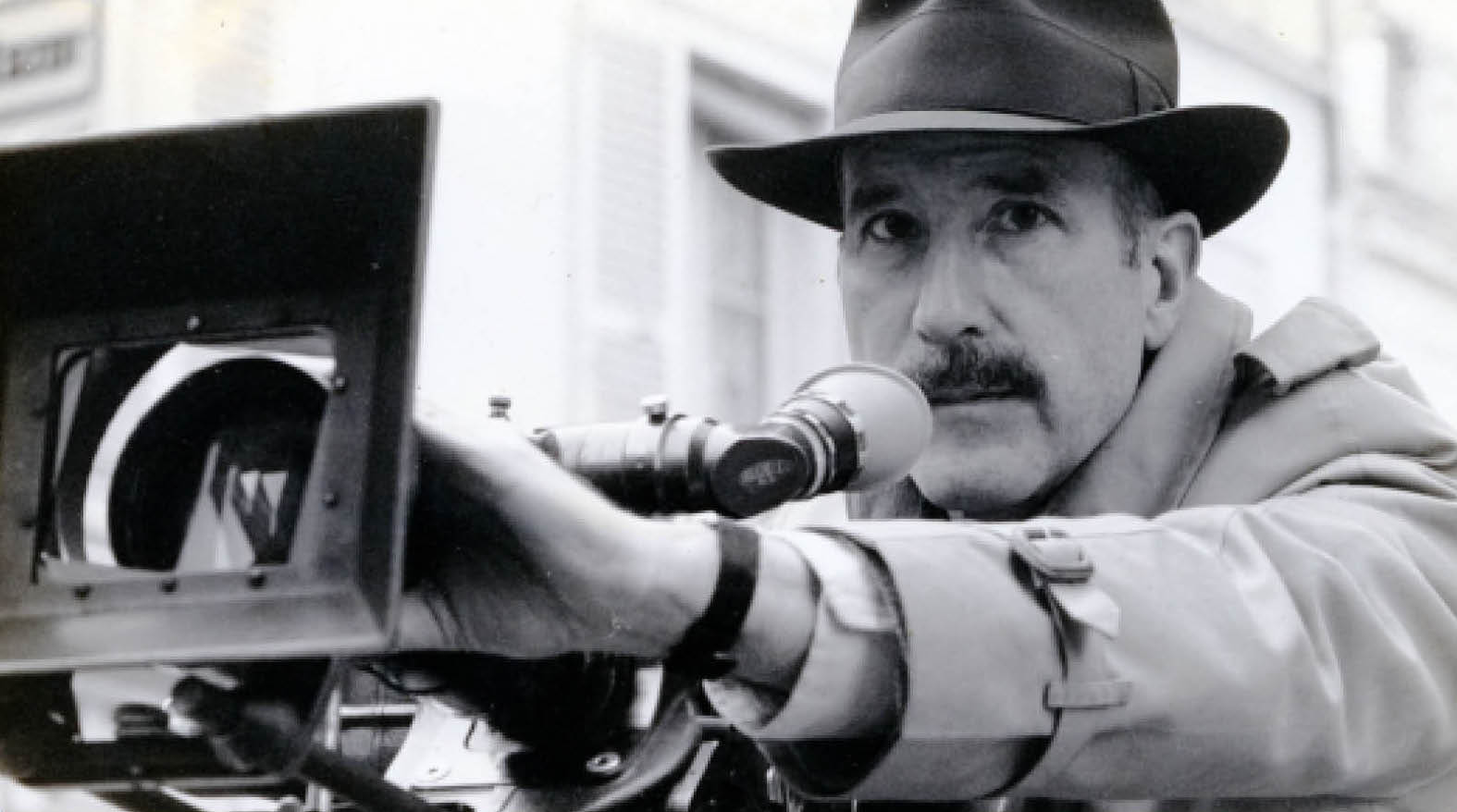
Néstor Almendros
 Spain
Spaincinematographer•film director•actor
Also known as: Néstor Almendros Cuyás
생일
October 30, 1930
별자리
Scorpio
출생지
Barcelona, Spain
나이
61세에 사망
소개
네스토르 알멘드로스 쿠야스는 20세기 후반 영화의 자연주의적 조명과 꾸밈없는 시각적 스타일로 영화계를 재편한 스페인 촬영 감독이었습니다. 1930년 10월 30일 바르셀로나에서 태어난 그는 프랑코 정권을 피해 스페인을 탈출했으며, 프랑스에 정착하여 프랑스 누벨 바그의 핵심 인물이 되었습니다. 30년이 넘는 경력 동안 그는 50편이 넘는 영화를 촬영했으며, 프랑수아 트뤼포, 에릭 로메르, 로버트 벤턴과 같은 감독들과 협업했습니다. 그의 작품은 테렌스 맬릭 감독의 영화 『천국의 나날들』(Days of Heaven)로 아카데미 촬영상을 수상하는 영예를 안았으며, 이 영화는 빛나는 황금 시간대 촬영으로 찬사를 받았습니다. 알멘드로는 1992년 4월 4일 61세의 나이로 뉴욕에서 사망했으며, 전 세계 촬영 감독들에게 계속 영향을 미치는 작품들을 남겼습니다.
초기 생애 및 배경
알멘드로는 강력한 반프랑코 신념을 가진 가정에서 스페인 바르셀로나에서 태어났습니다. 공화파 지지자였던 그의 아버지는 스페인 내전 이후 추방되었고, 18세에 네스토르는 아버지와 합류하기 위해 쿠바를 이주했습니다. 그곳에서 그는 사진과 영화에 대한 초기 관심을 키웠고, 첫 아마추어 영화를 촬영하며 섬의 활기찬 시각 문화를 흡수했습니다. 나중에 그는 로마로 이주하여 Centro Sperimentale di Cinematografia에서 영화 제작을 공부했고, 그곳에서 제작 기술의 기초를 배웠습니다. 쿠바와 로마에서의 경험은 그의 미학을 형성했으며, 이는 자연광과 다큐멘터리적인 진정성을 선호하는 것이었습니다. 1950년대 후반에는 프랑스로 이주하여 카메라 조수로 일하기 시작했고, 결국 단편 영화 촬영 감독으로 활동하며 즉흥성과 사실주의를 중시하는 신흥 프랑스 누벨 바그 감독들과 인연을 맺었습니다.
경력 성장
알멘드로스의 획기적인 성공은 1963년 『몽소의 제빵사』(La Boulangère de Monceau)를 시작으로 도덕 이야기 시리즈를 통해 에릭 로메르와의 협업으로 이루어졌습니다. 『클레르의 무릎』(Claire's Knee, 1970)와 『마리의 밤』(My Night at Maud's, 1969)과 같은 로메르 감독의 영화 작업은 가용광만을 이용해 친밀하고 자연스러운 장면을 포착하는 그의 능력을 보여주었습니다. 이후 그는 프랑수아 트뤼포와 『야생 아이』(The Wild Child, 1970)로 파트너십을 맺었고, 이후 『마지막 지하철』(The Last Metro, 1980) 등 여러 작품을 함께했습니다. 그의 명성은 국제적으로 높아졌고, 테렌스 맬릭 감독의 『천국의 나날들』(Days of Heaven, 1978) 작업으로 이어져 아카데미 촬영상을 수상했습니다. 그는 또한 『크레이머 대 크레이머』(Kramer vs. Kramer, 1979)와 『소피의 선택』(Sophie's Choice, 1982)을 촬영하며 미국 영화계에서의 다재다능함을 입증했습니다. 시력이 약해졌음에도 불구하고 그는 사망할 때까지 작업을 계속했으며, 시각적으로 독특한 영화들의 유산을 남겼습니다.
경력 연표
대중적 이미지 및 스타일
명성과 팬덤
Néstor Almendros remains a towering figure in cinema history, revered not for celebrity antics but for his revolutionary approach to natural light. Despite his profound influence on the French New Wave and his Academy Award win for Days of Heaven, iFANN's Global Fame Engine has evaluated this person, but they do not currently hold a placement in the published rankings (Global Top 1,000 or a Top-100 scope list). This absence from global celebrity lists reflects his role as a craftsman rather than a front-facing icon; his fame is concentrated within academic circles, film schools, and among professional cinematographers who study his work as foundational text. There is no formal fandom name documented for Néstor Almendros, nor is there an organized fanbase that identifies itself by a specific moniker like 'Almendrosians'. The audience that keeps his legacy alive consists of historians, students, and industry peers who analyze his refusal to use artificial lighting as a masterclass in visual storytelling. While pop stars generate viral moments and fan clubs, Almendros' followers engage through scholarly preservation and the continued teaching of his techniques. His films remain staples in university curricula, and archives like the Criterion Collection ensure his work endures without the need for grassroots fan campaigns. The reverence he commands is quiet but deep, rooted in the story of him completing Days of Heaven while legally blind, a reflection of his dedication that resonates with anyone who understands the art of seeing.
흥미로운 사실과 전설
Néstor Almendros was known for his dislike of artificial lighting, often using only a single bounce card to shape sunlight. He wrote a book, A Man with a Camera, detailing his approach to cinematography. He was fluent in Spanish, French, and English, which eased his international career. He had a passion for painting, and his visual compositions were often inspired by artists like Vermeer and Hopper. He also directed two feature films, Gente de mar (1977) and Le fils d'Amr est mort (1975), though they are less known than his camera work. A central legend surrounding his career involves his work on Days of Heaven, where he insisted on filming despite severe vision loss caused by diabetes, completing the masterpiece while legally blind. Another enduring story highlights his mastery of available light, where he would wait hours for the perfect sun angle rather than setting up complex studio rigs, effectively changing how light was used in cinema. These tales are widely retold in film schools as verified historical facts about his technical genius.
주목할 만한 어록
“I try to use natural light as much as possible, and to let the sun be my main source.”
“The camera is a tool, but the eye is the true artist.”
“I like to imagine how the light would fall in a room, and then I wait for the right moment.”
가족 및 사생활
독실한 공화파였던 알멘드로스의 아버지는 쿠바에 추방되었고, 이는 네스토르가 18세에 그곳으로 이주하게 된 계기가 되었습니다. 그의 가족의 반프랑코 입장은 그의 세계관과 스페인을 떠나기로 한 결정에 깊은 영향을 미쳤습니다. 그의 어머니와 형제자매에 대한 정보는 거의 없지만, 쿠바에서 함께 살았던 아버지와의 유대는 중요했습니다. 이후 알멘드로는 프랑스에 정착했고, 결국 뉴욕으로 이주했지만, 배우자나 자녀에 대해 공개적으로 논의한 적은 없습니다. 그의 사생활은 대부분 대중의 눈에 띄지 않았으며, 그의 가족에 대한 기록은 잘 알려져 있지 않습니다.
주요 관계
연애 관계 및 이력
사망과 그 이후
사망
March 4, 1992 (향년 61세)
사망지
New York City
사망 원인
AIDS-related complications
Néstor Almendros Cuyás died on March 4, 1992, in New York City at the age of 61. He had been suffering from complications related to AIDS for some time prior to his passing, a condition widely known within the film industry yet kept private during that era. His final days were marked by declining health, though he had managed to complete significant work on Terrence Malick's Days of Heaven while his vision was deteriorating due to the disease. The death was treated as a natural cause resulting from illness. Public reaction focused heavily on tributes from his peers and the cinematic community, who recognized him as one of the most highly appraised cinematographers of his generation.
Colleagues remembered his mastery of natural light and his collaborations with French New Wave directors like Eric Rohmer and François Truffaut, as well as his Academy Award win for Days of Heaven. While specific details regarding the date, location, or attendees of a funeral service remain absent from available records, his legacy has endured through various retrospectives and ongoing academic discussions about his lighting techniques. In the years following his death, Almendros has been honored through educational programs in film schools and publications like Film Comment and The Hollywood Reporter. A recent reconstruction of his formative film school experience in Rome indicates that academic interest in his life and career continues to grow.
재산 (유산 가치)
$5 Million
iFANN 편집팀 추정치
As Néstor Almendros passed away in 1992, his net worth is estimated based on his estate and the ongoing royalties from his films. At the time of his death, he had earned a modest income from his cinematography work, with salaries ranging from $50,000 to $200,000 per film. His estate continues to receive residuals from his filmography, including popular titles like Days of Heaven and Kramer vs. Kramer . Per iFANN's editorial analysis, his estate is valued at approximately $5 million as of 2026. This figure accounts for the licensing of his work for streaming, home video, and educational use, as well as the posthumous publication of his book A Man with a Camera .
수상 (6)
알멘드로는 1978년 《천국의 나날들》로 아카데미 촬영상을 수상했으며, 이는 그의 명성을 확고히 한 획기적인 업적이었습니다. 그는 또한 같은 영화로 전미 비평가 협회 촬영상(National Society of Film Critics Award for Best Cinematography)을 수상했습니다. 《크레이머 대 크레이머》와 《소피의 선택》에서의 작업으로 BAFTA 후보에 올랐으나 수상하지는 못했습니다. 그는 또한 1993년 카메라이미지(Camerimage)에서 골든 프로그(Golden Frog)를 수상하며 사후에도 촬영술에 대한 그의 공로를 인정받았습니다.
1978 · 최고의 촬영
Days of Heaven
1978 · 최고의 촬영
대표작
Days of Heaven
1978 · Cinematographer
My Night at Maud's
1969 · Cinematographer
Kramer vs. Kramer
1979 · Cinematographer
Sophie's Choice
1982 · Cinematographer
The Wild Child
1970 · Cinematographer
키워드
출처
빠른 정보
- 직업
- cinematographer, film director, actor
- 출생
- October 30, 1930
- 출생지
- Barcelona, Spain
- 사망
- March 4, 1992
- 사망지
- New York City, USA
- 성별
- 남성
- 별자리
- Scorpio
개인 정보
- 본명
- Néstor Almendros Cuyás
필모그래피
50
전체
45
영화
5
TV
자주 묻는 질문
네스토르 알멘드로스는 무엇으로 유명한가요?
네스토르 알멘드로스의 가장 유명한 영화는 무엇인가요?
네스토르 알멘드로스는 어디에서 태어났나요?
네스토르 알멘드로스는 오스카상을 수상했나요?
네스토르 알멘드로스는 언제 사망했나요?
비슷한 인물
커뮤니티 참여
명의 팬이 이야기 중