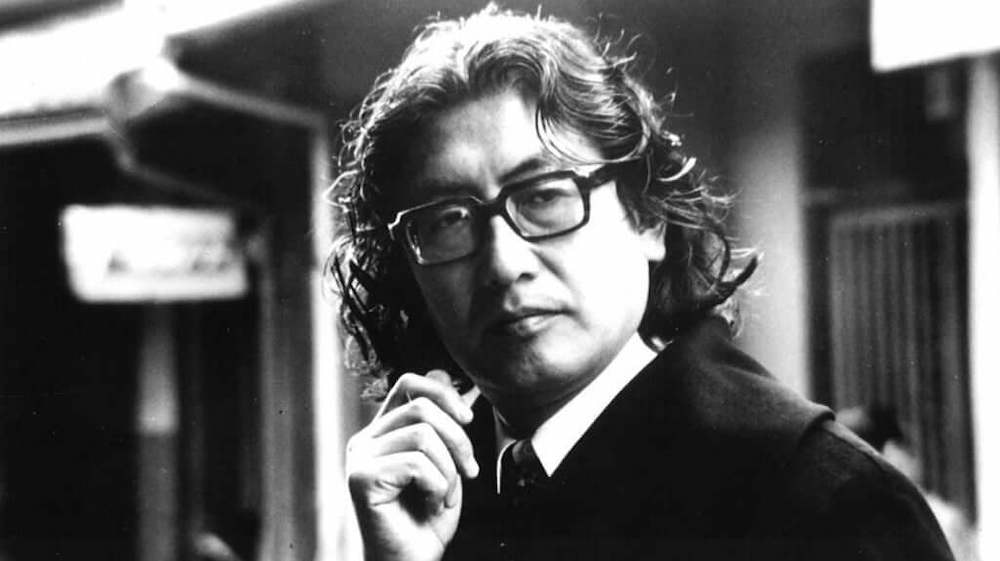
Nagisa Ōshima
 Japan
Japanfilm director•screenwriter•producer
생일
March 31, 1932
별자리
Aries
출생지
Kyoto, Japan
나이
80세에 사망
소개
오시마 나기사는 1959년부터 1999년 사이에 23편의 장편 영화를 연출한 일본의 영화 제작자, 각본가, 프로듀서입니다. 그는 일본 뉴웨이브의 중심 인물로 잘 알려져 있으며, 이 운동은 대담하고 정치적으로 충전된 스토리텔링으로 전통적인 영화에 도전했습니다. 오시마의 작품은 종종 금기시된 주제, 청년 반항, 성性, 사형, 사회적 차별을 직시하며 탐구했습니다. 그의 가장 유명한 영화로는 실제 범죄 이야기를 바탕으로 한 노골적인 에로틱 드라마 《감각의 제국》(1976)과 데이비드 보위가 출연한 전쟁 드라마 《전장의 크리스마스》(1983)가 있습니다. 그는 《애정의 제국》(1978)으로 칸 영화제 그랑프리를 수상했으며, 세계 영화에 지대한 영향을 미쳤습니다. 오늘날 그의 영화는 예술적 위험과 문화적 영향력으로 연구되며, 회고전이 계속해서 관객을 끌어모으고 있습니다.
초기 생애 및 배경
오시마 나기사는 1932년 교토에서 공무원의 아들로 태어났습니다. 그의 아버지는 오시마가 어렸을 때 사망했고, 그는 엄격한 가정에서 어머니 밑에서 자랐습니다. 그는 명문 도쿄 대학에 진학하여 1954년 프랑스 문학 학위를 취득했습니다. 문학과 철학에 대한 학문적 배경은 영화에 대한 그의 지적 접근 방식을 형성했습니다. 대학 졸업 후, 그는 1954년 쇼치쿠 스튜디오에 조감독으로 입사하여 노무라 요시타로와 같은 감독 밑에서 일했습니다. 이 기간 동안 그는 스튜디오 시스템의 기술을 흡수하면서도 보수적인 규범에 점차 불만을 느꼈습니다. 그는 각본을 쓰고 단편 영화를 연출했지만, 그의 첫 장편 《사랑과 희망의 거리》(1959)는 저예산 프로젝트로 전통과의 단절을 예고했습니다. 이 영화가 계급 불평등과 청년의 환멸에 초점을 맞춘 점은 그의 폭발적인 일본 뉴웨이브 진입을 위한 발판을 마련했습니다.
경력 성장
오시마의 돌파구는 1960년 《잔혹한 청춘》으로, 십대 반항과 성性에 대한 생생한 초상화가 일본 뉴웨이브의 이정표가 되었습니다. 그는 오사카 빈민가를 배경으로 한 어두운 이야기 《태양의 묘지》(1960)로 후속작을 냈습니다. 이 영화들은 도발적인 그의 명성을 확립했습니다. 1968년, 사형과 반한국인 인종차별에 대한 초현실적 비판인 《교수형》이 칸에서 초연되어 국제적 주목을 받았습니다. 그의 가장 논란이 많은 작품인 《감각의 제국》(1976)은 집착적인 사랑을 노골적으로 묘사하여 전 세계에서 검열과 싸웠습니다. 이 영화는 예술적 자유를 위한 대변자로 떠올랐습니다. 오시마는 죄책감과 욕망에 뿌리를 둔 유령 이야기 《애정의 제국》(1978)으로 칸 그랑프리를 수상했습니다. 1983년, 그는 사카모토 류이치와 데이비드 보위가 출연한 영어 영화 《전장의 크리스마스》를 연출하여 세계적 성공을 거두었습니다. 그의 마지막 영화 《고하토》(1999)는 동성애적 긴장을 탐구한 사무라이 드라마였습니다. 오시마는 경력 내내 지속적으로 경계를 허물며 찬사와 악명을 동시에 얻었습니다.
경력 연표
대중적 이미지 및 스타일
오시마는 일본 영화의 악동으로 널리 여겨졌습니다. 비평가와 관객은 그를 영화를 사회적 위선에 대한 무기로 사용한 급진주의자로 보았습니다. 그의 공적 이미지는 지적 도발자, 명료하고 대립적이며 스캔들을 두려워하지 않는 사람이었습니다. 미디어 보도는 종종 《감각의 제국》을 둘러싼 검열 싸움에 초점을 맞추며 그를 표현의 자유를 위한 투사로 묘사했습니다. 영화 애호가들 사이에서 그는 형식적 대담함과 금기 주제를 진지함과 예술성으로 다루려는 의지로 존경받습니다. 공식적인 팬덤 이름은 없지만, 그의 작품은 예술 영화 및 학계에서 열성적인 추종자를 가지고 있습니다. 다큐멘터리 리얼리즘과 초현실주의를 혼합하고 긴 테이크와 정적인 샷을 사용하는 그의 스타일은 쿠엔틴 타란티노와 박찬욱 같은 감독에게 영향을 미쳤습니다.
명성과 팬덤
Nagisa Ōshima never cultivated a traditional fanbase with a formal name, organized rituals, or dedicated campaigns. His legacy rests entirely within the sphere of film scholars, critics, and cinephiles who engage with his radical work through academic discourse rather than mass-market worship. Unlike modern pop icons whose followers fund billboards or chart pushes, Ōshima's audience treated his films as provocative political statements and artistic challenges to the Japanese establishment. He famously declared a hatred for the status quo of Japanese cinema, a stance that alienated casual viewers while cementing his reputation among those seeking intellectual confrontation. The iFANN Global Fame Engine evaluated this figure in August 2026 and determined that he does not currently hold a placement in the published rankings, including the Global Top 1,000 or any scope-specific top-100 lists. This absence of a numeric rank reflects his status as a historical avant-garde filmmaker rather than a contemporary celebrity with active global consumption signals. While his films like In the Realm of the Senses generated significant media coverage and censorship battles during their release, these events did not translate into sustained fandom metrics required for current ranking inclusion. The lack of a documented fandom name further distinguishes his cultural footprint from figures who maintain active communities today. His influence persists through retrospectives and the enduring study of his filmography, but he remains outside the dynamic, ranked ecosystem of living celebrities monitored by iFANN. The evaluation confirms that while his name carries weight in film history, it does not currently generate the volume of public interest necessary to secure a position on the global fame charts.
흥미로운 사실과 전설
Ōshima's film In the Realm of the Senses was based on the 1936 Sada Abe incident, a real murder case in Japan. The film was seized by customs in several countries and banned outright in Japan until a heavily censored version was allowed. He was a vocal critic of the Japanese emperor system and left-wing politics, which influenced many of his films. Ōshima once said he wanted to make films that were "like a bomb thrown into the audience." He directed only one English-language film, Merry Christmas, Mr. Lawrence, which featured a score by Ryuichi Sakamoto that became iconic. Despite his reputation for difficult subject matter, Ōshima was known personally as a gentle and soft-spoken man. He survived a stroke in 1995 but continued working until his final film in 1999. A central legend in film history surrounds his role in dismantling the conservative Japanese film industry, where he consistently exposed the contradictions of postwar society. His 1978 victory at the Festival de Cannes for Best Director solidified his international reputation and validated his radical approach on the world stage. Several of his films became legendary for their disruptive nature upon release, effectively acting as incidents that sparked national debate. Cruel Story of Youth is frequently cited as a defining work of the Blank Generation and a catalyst for youth rebellion. The definitive end to his life story occurred on January 15, 2013, marking him as a historical figure whose legends are now part of film history.
주목할 만한 어록
“I am not interested in making films about the past. I am interested in making films about the present.”
“The world is a strange place, and cinema is a strange art. I try to reflect that strangeness.”
“A film should be like a bomb thrown into the audience.”
가족 및 사생활
오시마는 《교수형》과 《소년》 등 그의 여러 영화에 출연한 배우 고야마 아키코와 결혼했습니다. 두 사람 사이에는 아들과 딸 두 자녀가 있습니다. 오시마는 사생활을 공적 이미지와 분리하는 사적인 가장으로 알려졌습니다. 그는 가나가와현 후지사와시에서 살다가 2013년 사망했습니다. 그의 아내 아키코가 생존했으며, 자녀들은 대중의 눈에 거의 띄지 않았습니다.
주요 관계
오시마는 《감각의 제국》과 《애정의 제국》에 출연한 배우 후지 타츠야와 자주 협업했습니다. 작곡가 사카모토 류이치는 《전장의 크리스마스》의 음악을 맡고 출연도 했습니다. 오시마의 아내 고야마 아키코는 그의 여러 영화에 출연했습니다. 그는 일본 뉴웨이브의 또 다른 감독인 이마무라 쇼헤이와 동시대인이자 라이벌이었습니다.
연애 관계 및 이력
나기사 오시마는 배우 아키코 코야마와 결혼했습니다. 두 사람은 그의 초기 영화 제작 중에 만나 1960년대 초에 결혼했습니다. 두 자녀를 두었으며 2013년 오시마가 사망할 때까지 결혼 생활을 유지했습니다. 다른 공개적인 관계는 기록되지 않았습니다. 코야마는 《사형대의 엘리베이터》와 《소년》을 포함한 그의 여러 영화에 출연했습니다. 그들의 파트너십은 개인적이면서도 직업적이었으며, 코야마는 자신의 연기 활동을 유지하면서 그의 경력을 지원했습니다.
- 기혼Akiko Koyama1960 - 2013오시마의 초기 영화 경력 중에 만나 그의 여러 영화에 출연했습니다. 두 자녀를 두었습니다.
사망과 그 이후
사망
January 15, 2013 (향년 80세)
사망지
알 수 없음
사망 원인
알 수 없음
Nagisa Ōshima, the pioneering Japanese film director and a central figure of the Japanese New Wave, died on January 15, 2013. He was 80 years old at the time of his passing,. Consequently, there is no available information in these sources regarding a hospital statement, family announcement specifying the cause, coroner's ruling, autopsy findings, or an inquest to establish the manner of death. Furthermore, reports do not specify his last public appearance or events leading up to his death, leaving the nature of his final days unconfirmed in the provided text. In terms of public reaction, the search results indicate that Ōshima was widely recognized as one of Japan's most important filmmakers, often cited as the most significant after Akira Kurosawa.
He was celebrated for tackling taboos and politically charged subjects with stylistic flair and was a recipient of the Best Director Award at the Festival de Cannes in 1978. Tributes from institutions are implied by the continued screenings of his work, such as a series of eight films presented by Anthology Film Archives in July following his death, and retrospective programming by the Harvard Film Archive. However, the provided text does not list specific fan vigils, chart surges, moments of silence, memorial murals, or detailed statements from peers and officials immediately following his death.
Information concerning the funeral or memorial service, including its date, location, whether it was public or private, notable attendees, performances, and burial or cremation details, is absent from the provided search results. Posthumously, Ōshima's legacy continues through the preservation and re-screening of his filmography, including collections by The Criterion Collection and ongoing academic and archival interest,. The handling of his estate remains unreported in the provided text.
재산 (유산 가치)
$10 Million
iFANN 편집팀 추정치
Per iFANN's editorial analysis, the estate of Nagisa Ōshima is valued at an estimated $10 Million as of 2026. His wealth accumulated primarily through his extensive film career, encompassing directing fees, screenwriting credits, and production earnings. Merry Christmas, Mr. Lawrence stood as his most commercially successful project, grossing over $10 million worldwide. Royalties derived from home video releases and streaming of his films, particularly In the Realm of the Senses, continue to generate income for his heirs. The estate is managed by his family, and occasional retrospectives and re-releases contribute to its overall value. Ōshima also earned revenue from teaching and writing, though these sources remained minor compared to his film revenues.
수상 (4)
오시마는 1978년 칸 영화제에서 《정념의 제국》으로 그랑프리를 수상했습니다. 또한 같은 영화로 일본 영화 조직인 블루리본상, 키네마 준포상, 마이니치 영화 콩쿠르에서 최우수 감독상 세 개를 받았습니다. 그의 작품은 칸과 다른 영화제에서 자주 후보에 올랐지만, 이 네 개의 수상이 그의 주요 경쟁 부문 상입니다.
1978 · 최우수 영화상
Empire of Passion
1979 · 최우수 감독상
Empire of Passion
대표작
In the Realm of the Senses
1976 · Director, Screenwriter
Merry Christmas, Mr. Lawrence
1983 · Director, Screenwriter
Cruel Story of Youth
1960 · Director, Screenwriter
Death By Hanging
1968 · Director, Screenwriter
Empire of Passion
1978 · Director, Screenwriter
키워드
빠른 정보
- 직업
- film director, screenwriter, producer
- 출생
- March 31, 1932
- 출생지
- Kyoto, Japan
- 사망
- January 15, 2013
- 사망지
- Fujisawa, Japan
- 성별
- 남성
- 배우자
- Akiko Koyama
- 별자리
- Aries
- Education
- University of Tokyo
개인 정보
- 본명
- Nagisa Ōshima
- 배우자
- Akiko Koyama
- 학력
- University of Tokyo (French literature)
필모그래피
23
전체
23
영화
0
TV
자주 묻는 질문
나기사 오시마는 몇 살에 사망했나요?
나기사 오시마의 가장 유명한 영화는 무엇인가요?
나기사 오시마는 어떤 상을 받았나요?
나기사 오시마는 누구와 결혼했나요?
나기사 오시마는 아직 살아 있나요?

커뮤니티 참여
명의 팬이 이야기 중