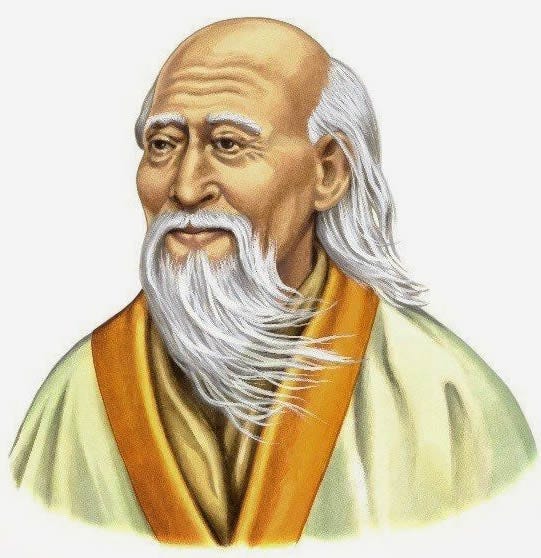
Laozi
Also known as: Lao Tzu, Lao-Tsu, Laotze, Li Er, Boyang
생일
January 1, 604 BCE
별자리
Capricorn
출생지
Quren, Chu (modern Luyi County, Henan, China)
나이
Died at 104
소개
노자(老子)는 "늙은 스승"이라는 뜻으로, 도교의 기초 문헌인 《도덕경》을 저술한 것으로 알려진 전설적인 중국 철학자입니다. 현대 학계에서는 그를 복합적인 인물로 보며, 《도덕경》은 전국 시대에 여러 저자에 의해 편찬된 것으로 간주합니다. 전통적인 기록에 따르면 그는 기원전 6세기 초나라에서 태어나 낙양에서 주나라 왕실 기록관으로 일했습니다. 도(道), 무위(無爲), 자연의 조화에 초점을 맞춘 그의 사상은 2천 년 이상 중국 문화를 형성하며 통치, 의학, 무술, 시 등 다양한 분야에 영향을 미쳤습니다. 《도덕경》은 세계 문학에서 가장 많이 번역된 작품 중 하나로, 성경 다음으로 번역 횟수가 많습니다.
초기 생애 및 배경
전통적인 이야기는 노자를 태어날 때부터 비범한 지혜를 지닌 인물로 그립니다. 전설에 따르면 그는 62년의 임신 기간을 거쳐 어머니의 자궁에서 나왔으며, 이미 백발의 노인이었기 때문에 그런 이름이 붙었다고 합니다. 그는 춘추 시대 말기에 초나라의 곡인(曲仁) 마을에서 자랐습니다. 주나라 왕실 기록관으로 임명된 그는 제국의 방대한 고대 기록과 의례 자료에 접근할 수 있었습니다. 이 직책은 그를 지적 생활의 중심에 두었고, 기원전 520년경에 공자(孔子)를 만난 것으로 전해집니다. 공자는 역사와 의례에 대해 조언을 구했고, 그 만남에 깊은 감명을 받아 노자를 바람과 구름을 타는 용에 비유했습니다. 주나라가 계속 쇠퇴하자 노자는 환멸을 느꼈습니다. 그는 관직을 사임하고 서쪽으로 떠나 한곡관(函谷關)을 지나게 됩니다. 수문장 윤희(尹喜)는 그의 지혜를 알아보고, 그가 황야로 사라지기 전에 자신의 통찰을 기록해 달라고 간청했습니다. 이에 응하여 노자는 단번에 81장, 약 5,000자로 구성된 《도덕경》을 지었고, 그 후 자취를 감추어 다시는 나타나지 않았습니다.
경력 성장
《도덕경》은 중국의 3대 철학 전통 중 하나인 도교의 초석이 되었습니다. 처음에는 그 영향력이 서서히 커져, 기원후 200년경에 하상공(河上公)의 첫 번째 주석이 등장했습니다. 당나라(618–907)는 노자의 지위를 변화시켰습니다: 당 고조(高祖)는 노자의 후손임을 주장하여 철학자를 황실 조상으로 격상시키고 도교에 국가적 후원을 부여했습니다. 743년, 당 현종(玄宗)은 노자를 "최고 신비 원시 천황"으로 신격화하고 그를 기리는 사원을 세우도록 명령했습니다. 《도덕경》은 명나라(1436–1445) 때 《도장》(道藏)에 포함되었습니다. 19세기 이후 《도덕경》은 세계적으로 퍼져나가 역사상 가장 많이 번역된 책 중 하나가 되었습니다. 그러나 현대 학계는 상황을 더 복잡하게 만듭니다: 마왕퇴(馬王堆) 백서(기원전 168년)와 곽점(郭店) 죽간(기원전 300년경)은 텍스트의 변형을 보여주며, 현재 전해지는 버전이 복합적인 것임을 시사합니다. 오늘날 이 작품은 계속해서 새로운 번역, 주석, 심지어 AI가 생성한 해석에 영감을 주고 있으며, 2024년 기준으로 영어 번역만 250개가 넘습니다.
경력 연표
대중적 이미지 및 스타일
노자는 보통 긴 흰 수염, 흐르는 듯한 옷, 평온하고 아는 듯한 표정을 지닌 노현자(老賢者)로 묘사되며, 종종 서쪽으로 물소를 타고 가는 모습으로 그려집니다. 수세기에 걸쳐 중국 미술에서 정형화된 이 이미지는 세속의 부패에서 물러나는 현명한 은자를 상징합니다. 《도덕경》 자체는 시적이고 역설적이며 격언적인 문체, 논리적 분석보다는 명상을 요구하는 짧은 장으로 유명합니다. 도교 신자들은 음력 2월 15일을 그의 전통적인 생일로 기념하며, 특히 쓰촨성의 청성산(靑城山)과 허난성의 녹이현(鹿邑縣)으로 사찰 순례를 떠납니다. 현대 대중 문화에서 노자의 인용문은 소셜 미디어에서 영감을 주는 콘텐츠로 널리 공유되며, #TaoWisdom 해시태그는 수백만 개의 게시물을 생성합니다. 그의 인격은 단순함, 마음 챙김, 소비자 문화에 대한 대안을 추구하는 사람들에게 공감을 얻고 있습니다.
명성과 팬덤
Laozi holds no current placement in the iFANN Global Top 1,000 or any scope-specific ranking list, a status confirmed by the August 2026 evaluation cycle. While he does not compete for a numeric rank against modern celebrities, his enduring presence transcends standard fame metrics. The ancient philosopher commands a unique form of global recognition that defies contemporary charting systems. His influence is measured not in viral moments but in the sheer volume of translations and the depth of philosophical adherence spanning millennia. Unlike pop stars who rely on fanbases to drive visibility, Laozi's reach is institutionalized through religious Daoism, academic study, and centuries of cultural osmosis. There is no formal fandom name attached to his legacy; followers identify themselves as Taoists, scholars, or practitioners rather than members of a collective like the Beyhive or Swifties. No organized birthday campaigns, subway advertisements, or streaming chart pushes exist for him, as his relevance is woven into the fabric of history rather than driven by modern marketing. Yet, the resonance of his work remains potent. In 2026, new translations continued to emerge, exploring environmentalist themes, while a meme coin bearing his name briefly captured speculative financial attention. These modern echoes do not constitute a fandom in the traditional sense but highlight how his wisdom adapts to new eras. The absence of a ranked position simply reflects the limitations of applying 21st-century fame engines to a figure whose impact predates the concept of celebrity itself.
흥미로운 사실과 전설
The title Tao Te Ching translates to 'The Classic of the Way and Virtue,' a text containing exactly 5,000 Chinese characters in its standard version. Laozi's birth surname Li has grown to become the most common surname in both China and Vietnam. Archaeological discoveries have preserved fragments of his teachings for over two millennia; the oldest known copies are the Mawangdui silk manuscripts from 168 BCE, while the Guodian bamboo slips offer even earlier partial versions dating to around 300 BCE. Beyond these textual facts, legendary narratives shape his identity. The most iconic story recounts his departure at the Hangu Pass, where the border guard Yin Xi begged the weary sage to record his wisdom before vanishing westward on a water buffalo. This tale explains the origin of the Tao Te Ching and remains a staple of Chinese art. Ancient folklore also places Laozi as a contemporary of Confucius, describing a meeting where the younger Confucius sought advice only to be gently rebuked for being too rigid, with Confucius later calling Laozi a dragon he could not comprehend. Over time, this historical figure transformed into a deity known as Taishang Laojun, central to the religious pantheon of Daoism.
주목할 만한 어록
“The Tao that can be told is not the eternal Tao. The name that can be named is not the eternal name.”
“A journey of a thousand miles begins with a single step.”
“Those who know do not speak. Those who speak do not know.”
“When you are content to be simply yourself and don't compare or compete, everybody will respect you.”
“He who knows others is wise; he who knows himself is enlightened.”
“I have just three things to teach: simplicity, patience, compassion. These three are your greatest treasures.”
가족 및 사생활
전통적인 기록에는 이름이 알려지지 않은 아내가 언급됩니다. 부부에게는 위(魏)나라에서 군인이 된 아들 이종(李宗)이 하나 있었습니다. 다른 가족 기록은 남아 있지 않습니다. 현대 학계에서는 이러한 전기적 요소가 전설적인 인물을 인간화하기 위해 후대에 만들어진 것일 가능성이 높다고 봅니다.
주요 관계
노자는 전통적으로 공자와 연결되며, 공자가 그의 조언을 구했다고 전해집니다. 장자(莊子)는 《장자》에서 그의 사상을 확장했습니다. 수문장 윤희는 그의 전설적인 제자입니다. 초기 주석가인 하상공과 왕필(王弼)은 현재 전해지는 텍스트를 형성했습니다. 사마천이 첫 번째 전기를 썼습니다.
연애 관계 및 이력
전통적인 기록에 따르면 노자에게 아내가 있었다고 하지만 이름이나 세부 사항은 전해지지 않습니다. 그녀는 노자보다 먼저 세상을 떠났다고 합니다. 그들의 아들 이종(李宗)이 가계를 이었습니다. 도교 전통에서 더 중요한 관계는 함곡관의 관문을 지키던 윤희(尹喜)와의 관계입니다. 윤희는 노자의 지혜를 알아보고 그에게 《도덕경》을 쓰도록 강요했습니다. 일부 도교 경전에서는 윤희를 노자의 주요 제자이자 후에 신선이 된 존재로 묘사합니다. 2026년 현재, 역사적 또는 전설적 인물과 관련된 살아있는 연인은 존재하지 않습니다.
- 기혼Unnamed wife전통 기록에는 아내가 언급되지만, 그녀의 이름과 삶의 세부 사항은 기록되지 않았습니다.
- 교제했음Yin Xi도덕경을 받은 전설적인 문지기; 일부 전통에서는 그를 제자나 영적 동반자로 봅니다.
재산 (유산 가치)
$0
iFANN 편집팀 추정치
As of 2026, the ancient philosopher Laozi accumulated no personal wealth during his lifetime, and the text he is credited with authoring has remained in the public domain for centuries, generating no direct royalties for any estate. The commercial ecosystem surrounding the *Tao Te Ching* remains vast, with translations, commentaries, adaptations, merchandise, and media inspired by the work generating billions of dollars annually through third-party publishers and creators. No formal estate exists to manage these derivative revenues. Per iFANN's editorial analysis, the philosopher's net worth stands at $0, yet his cultural capital remains immeasurable.
수상 및 영예
View 13 records, honours and achievements대표작
Tao Te Ching
c. 500 BCE · Author
키워드
빠른 정보
- 직업
- philosopher, archivist, writer
- 출생
- 604 BCE
- 출생지
- Quren, Chu (modern Luyi County, Henan, China)
- 사망
- c. 500 BCE
- 성별
- 남성
- 별자리
- Capricorn
개인 정보
- 본명
- Li Er
- 자녀
- Li Zong (son)
- 학력
- Self-taught through Zhou dynasty archives
자주 묻는 질문
노자는 실제 역사적 인물인가요?
도덕경은 무엇에 관한 책인가요?
노자는 공자를 만났나요?
노자는 몇 살에 죽었나요?
노자의 재산은 얼마인가요?
커뮤니티 참여
명의 팬이 이야기 중