 Russia
소개
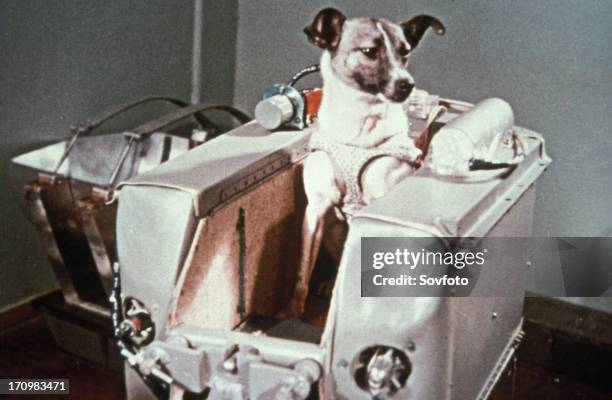
라이카(Laika, /ˈlaɪkə/, 러시아어: Лáйка; 1954년경 – 1957년 11월 3일)는 지구 궤도를 돈 최초의 생명체로 유명해진 소련의 우주견이었습니다. 모스크바 거리의 떠돌이 잡종견이었던 그녀는 1957년 11월 3일에 발사된 스푸트니크 2호 임무에 선발되었습니다. 그녀의 비행은 생명체가 발사와 궤도 조건을 견딜 수 있다는 것을 증명했고, 이는 인류의 우주 비행을 위한 길을 열었습니다. 궤도에서 우주선을 귀환시키는 기술은 아직 개발되지 않았었기 때문에, 라이카의 생존은 예상되지 않았습니다. 그녀는 발사 몇 시간 안에 과열과 스트레스로 사망했는데, 이는 2002년이 되어서야 공개된 사실입니다. 라이카의 희생은 우주에서의 동물 실험에 대한 전 세계적인 논쟁을 불러일으켰고, 그녀를 우주 시대의 비극적인 아이콘으로 만들었습니다. 모스크바와 스타 시티에 세워진 기념비는 그녀의 공헌을 기리고 있으며, 그녀의 이야기는 책, 노래, 다큐멘터리에서 계속해서 전해지고 있습니다.
초기 생애 및 배경
라이카는 1954년경 모스크바 거리의 떠돌이 개로 태어나, 다른 길잃은 개들과 함께 혹독한 겨울과 식량 부족을 견뎌냈습니다. 1957년, 소련 과학자들은 길들여지지 않은 개들이 순종견보다 더 강인하고 적응력이 뛰어나다고 믿었기 때문에 우주 프로그램에 투입할 여러 마리의 떠돌이 개들을 포획했습니다. 그녀는 항공 의학 연구소로 옮겨져 점점 더 작은 우리에 갇히는 훈련, 발사 시 중력 가속도를 시뮬레이션하는 원심분리기 테스트, 특별한 젤리 형태의 우주 음식을 먹는 훈련 등을 받았습니다. 그녀의 차분한 기질과 좁은 공간에 대한 내성은 이상적인 후보로 만들었습니다. 예비견인 알비나(Albina)는 이미 궤도 시험 비행에 참여한 적이 있었습니다. 라이카의 몸무게는 약 5kg이었으며, 훈련을 담당했던 블라디미르 야즈도프스키(Vladimir Yazdovsky) 박사는 그녀를 조용하고 매력적이라고 묘사했습니다.
경력 성장
1957년 11월 3일, 라이카는 카자흐스탄의 바이코누르 우주기지에서 스푸트니크 2호를 타고 발사되었습니다. 우주선에는 생명 유지 장치, 산소 발생기, 온도 조절 장치, 음식 공급 장치가 갖춰진 가압 객실에 라이카가 탑승했습니다. 센서는 심장 박동, 호흡, 혈압을 모니터링하여 지구로 데이터를 전송했습니다. 이 임무는 살아있는 생명체가 발사와 궤도 비행을 견딜 수 있다는 것을 증명한다는 주요 목표를 달성했습니다. 그러나 설계 결함으로 인해 발사 중 열 차단재가 찢어져 객실 온도가 급격히 상승했습니다. 라이카는 비행 약 5~7시간 후인 네 번째 궤도에서 과열과 스트레스로 사망했습니다. 스푸트니크 2호는 162일 동안 궤도를 돌다가 1958년 4월 14일 대기권에서 불탔습니다. 소련 정부는 처음에는 일주일 후 안락사되었다고 주장했으며, 이 이야기는 2002년 드미트리 말라셴코프 박사가 진실을 밝힐 때까지 45년 동안 유지되었습니다.
경력 연표
대중적 이미지 및 스타일
라이카는 과학 발전이라는 명분 아래 희생된 순수한 동물이자 우주 시대의 비극적인 영웅으로 기억됩니다. 언론 보도는 동물 실험을 둘러싼 윤리적 문제를 강조하며, 그녀의 이야기는 노래, 책, 다큐멘터리의 영감이 되었습니다. 공식적인 팬덤 명칭은 없지만, "우주 개"로 널리 불립니다. 팬 문화에는 비행 기념일 추모 행사와 우주 역사 교육 프로젝트가 포함됩니다. 팬들이 운영하는 소셜 미디어 계정은 추모와 연구에서의 동물 복지 옹호에 초점을 맞춥니다.
명성과 팬덤 (iFAMOUS Rankings)
Laika holds the distinction of being the first living creature to orbit Earth, a historical milestone that has secured her place in global memory rather than contemporary celebrity charts. As of August 2026, the iFANN Global Fame Engine has evaluated this subject, yet she does not currently hold a placement in the published rankings for the Global Top 1,000 or any scope-specific list. Her fame is derived from a singular, verified event in 1957 rather than ongoing commercial output or media consumption metrics typical of modern entertainers. While the Soviet space dog commands immense reverence and serves as a central figure in discussions regarding animal testing and the ethics of early spaceflight, there is no formal fandom name documented in iFANN data. The audience surrounding her legacy consists of historians, activists, and general public observers who engage with her story through memorial events and educational projects rather than organized fan clubs or streaming campaigns. Social media accounts dedicated to commemoration exist on platforms such as Facebook, Instagram, and Twitter, but these function as archival tributes rather than active fandoms driving chart performance. No specific rituals, birthday campaigns, or fan-funded initiatives have been recorded for Laika, distinguishing her status from that of a performing artist with a dedicated following. Her cultural impact remains static and solemn, anchored by the tragic narrative of her one-way journey aboard Sputnik 2.
흥미로운 사실과 전설
The name Laika translates to "Barker" in Russian, a moniker applied despite her reputation as a quiet stray from Moscow streets. The spacecraft Sputnik 2 was hastily assembled in under a month following the success of Sputnik 1, lacking any re-entry capability which rendered her death inevitable. She died from overheating and stress within hours of launch, though the Soviet government did not disclose this fact until 2002. Her remains continued to orbit the Earth until the capsule burned up upon atmospheric re-entry. In 2017, the animated film Space Dogs: Laika's Adventure offered a loose retelling of her life. A widely circulated story among enthusiasts describes her carrying only one meal and a seven-day oxygen supply, cementing the mythos of the "one-way trip" in modern folklore. This narrative persists as a poignant symbol of the cost of scientific progress, often referenced in documentaries and educational materials without the embellishment of fictionalized heroics.
주목할 만한 어록
“The more time passes, the more I'm sorry about it. We didn't learn enough from the mission to justify the death of the dog.”
“She was quiet and charming. I wanted to take her home with me.”
“The dog was to be sacrificed. There was no way to bring her back.”
가족 및 사생활
라이카는 모스크바 거리에서 부모를 알 수 없는 상태로 태어났습니다. 잡히기 전까지 떠돌이 개 무리와 함께 살았으며, 알려진 자손은 없습니다. 포획된 후 항공의학연구소의 과학자들과 수의사들이 돌보았으며, 이들이 사실상의 가족이 되었습니다. 그녀의 주요 훈련사였던 블라디미르 야즈도프스키 박사는 나중에 그녀를 집에 데려가고 싶었다고 기록했습니다.
주요 관계
블라디미르 야즈도프스키 박사는 라이카를 훈련시키고 생물학 실험을 감독한 수석 과학자였습니다. 드미트리 말라셴코프 박사는 2002년에 라이카 사망의 진짜 원인을 밝혔습니다. 세르게이 코롤료프는 스푸트니크 2호를 설계한 소련의 수석 로켓 엔지니어였습니다. 니키타 흐루쇼프는 선전 목적으로 임무를 승인했습니다.
연애 관계 및 이력
라이카에게는 기록된 연애 관계가 없었습니다. 포획되기 전 길잃은 개였고 그 후 실험 대상이었기 때문에, 짝짓기를 하거나 새끼를 낳은 적은 없는 것으로 알려져 있습니다. 그녀의 관계는 그녀를 다루는 사람들과 훈련시킨 과학자들에게 국한되었습니다. 2026년 현재 라이카는 사망했습니다.
사망과 그 이후
사망
November 3, 1957 (향년 3세)
사망지
알 수 없음
사망 원인
알 수 없음
Laika remained aboard the Sputnik 2 spacecraft as it ascended into orbit, where a design flaw caused thermal insulation to tear loose during the launch sequence. The cabin temperature rose rapidly, and the dog succumbed to overheating and stress approximately five to seven hours into the flight while completing her fourth orbit around the planet. Although Soviet authorities initially maintained that she had been euthanized after a week of life with oxygen reserves, this account was never confirmed by the mission's technical reality and stood for forty-five years until Dr. Dimitri Malashenkov revealed the true cause in 2002.
Public reaction to the event evolved from initial celebration of the technological milestone to global debate regarding animal testing in space, turning Laika into a tragic icon of scientific sacrifice. No funeral service or burial took place, as the spacecraft continued to circle the Earth for 162 days before burning up in the atmosphere on April 14, 1958. Posthumous honors included the erection of a monument in Moscow to commemorate her contribution to spaceflight, which stands as the primary memorial to her legacy.
재산 (유산 가치)
$0
iFANN 편집팀 추정치
Per iFANN's editorial analysis, Laika is deceased and possessed no personal wealth during her lifetime. Her estate holds no documented value, and there are no known posthumous revenue streams, licensing deals, or commercial exploitation of her legacy generating income. Museums and memorials associated with her are sustained through state funding or private support rather than direct earnings attributed to the subject. As of 2026, iFANN estimates her net worth at $0.
수상 및 영예
View 6 records, honours and achievements대표작
Sputnik 2
1957 · First animal to orbit Earth
키워드
빠른 정보
- 직업
- astronaut
- 출생
- 1954
- 출생지
- 모스크바, 러시아
- 사망
- November 3, 1957
- 사망지
- 저궤도
자주 묻는 질문
라이카는 어떻게 죽었나요?
Laika는 떠돌이 개였나요?
라이카에게 강아지가 있었나요?
라이카는 몇 살 때 죽었나요?
라이카는 어디에 묻혔나요?
비슷한 인물
커뮤니티 참여
명의 팬이 이야기 중