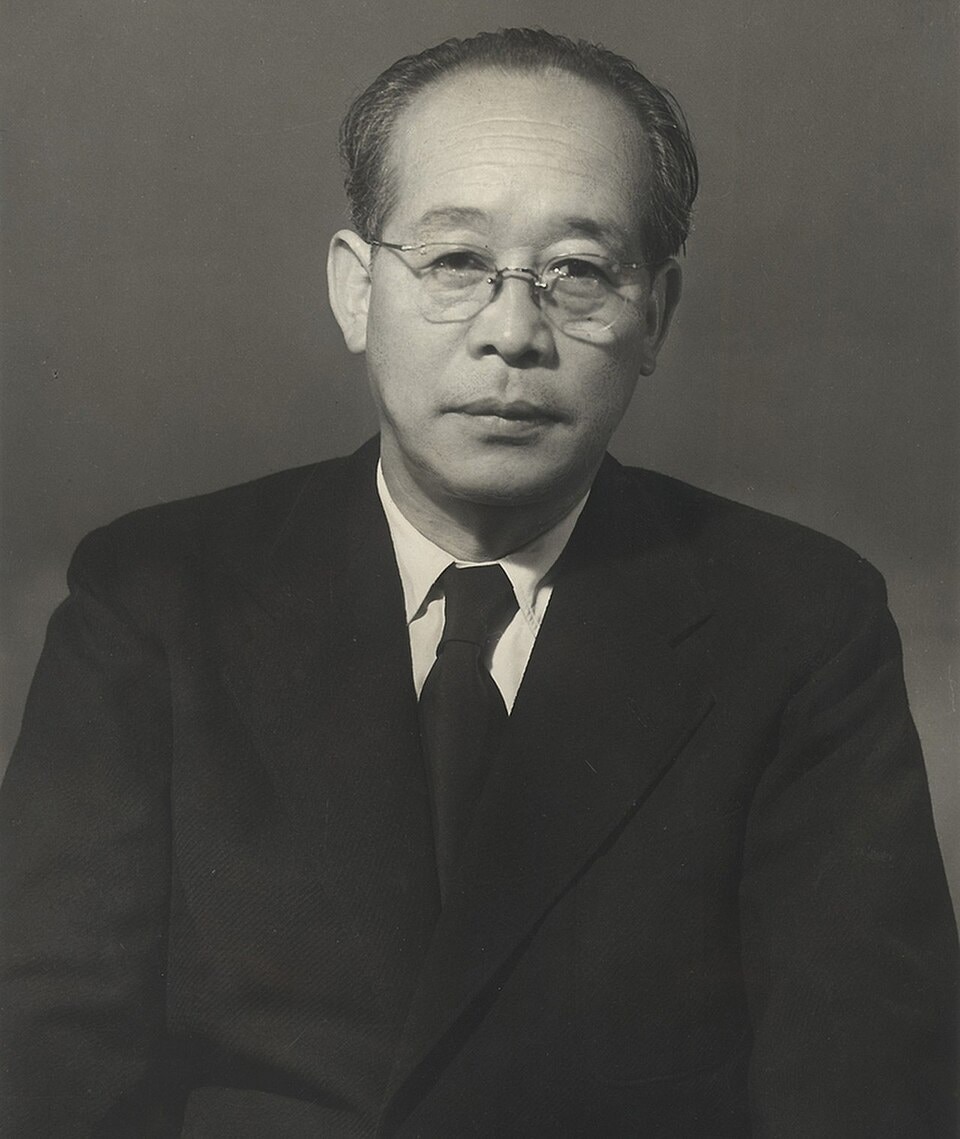
Kenji Mizoguchi
 Japan
Japan생일
May 16, 1898
별자리
Taurus
출생지
Tokyo, Japan
나이
58세에 사망
소개
미조구치 겐지는 1898년 5월 16일 도쿄에서 태어난 일본의 영화 감독이자 각본가로, 1923년부터 1956년 사망할 때까지 약 100편의 영화를 제작했습니다. 구로사와 아키라, 오즈 야스지로와 함께 일본 영화 황금기의 기둥으로 평가받습니다. 그의 작품은 역사적·현대적 일본 사회에서 여성의 억압을 자주 탐구했으며, 이 주제는 가장 유명한 영화들인 《국화 이야기》(1939), 《오하루의 일생》(1952), 《우게쓰 이야기》(1953), 《산쇼 다유》(1954)에 흐릅니다. 후세 세 작품은 각각 베니스 국제 영화제에서 수상하며 그의 국제적 명성을 확고히 했습니다. 미조구치의 정교한 구성과 롱테이크는 전 세계 감독들에게 영향을 미쳤지만, 여성 주인공에 대한 집중은 그를 동료들과 차별화시켰습니다. 그는 1956년 8월 24일 58세의 나이로 사망했으며, 시적이고 사회 의식적인 영화의 유산을 남겼습니다.
초기 생애 및 배경
미조구치는 도쿄 혼고 지역에서 태어났습니다. 실패한 우산 판매원이었던 그의 아버지는 재정적으로 어려움을 겪었고, 가족의 몰락으로 인해 미조구치의 누나는 기생이 되었으며, 이 사건은 감독에게 깊은 인상을 남겨 이후 여성의 고통이라는 반복적인 주제로 이어졌습니다. 그는 어린 나이에 학교를 그만두고 여러 잡일을 하다가 영화를 접했습니다. 1920년, 닛카쓰 스튜디오에 배우이자 조감독으로 합류하여 기성 감독들로부터 기술을 배웠습니다. 그의 감독 데뷔작은 1923년의 《청춘의 발자취》라는 무성 영화로 현재는 소실되었습니다. 1920년대 내내 그는 멜로드라마, 문학 각색, 사회 드라마 등 다양한 장르의 수십 편의 영화를 연출했지만 일관된 스타일을 찾는 데 어려움을 겪었습니다. 1923년 간토 대지진은 제작에 차질을 빚었고, 초기 작품 중 다수가 파괴되었습니다.
경력 성장
미조구치의 전환점은 1939년 《국화 이야기》로 찾아왔습니다. 가부키 배우와 그의 하녀에 관한 섬세한 드라마로 비평가들의 찬사를 받으며 그의 성숙한 스타일을 확립했습니다. 제2차 세계 대전 후, 그는 가장 생산적인 시기에 접어들었습니다. 1952년 《오하루의 일생》은 베니스에서 황금사자상을 수상하며 서구 관객에게 소개되었습니다. 이듬해 《우게쓰 이야기》는 은사자상을 받았으며, 유령 민속과 야망과 상실에 관한 도덕적 이야기를 혼합했습니다. 1954년 《산쇼 다유》는 또 다른 은사자상을 받으며 베니스 3관왕을 완성했습니다. 이 영화들은 모두 협력자 요다 요시카타와 함께 작업한 것으로, 미조구치 특유의 롱테이크와 딥 포커스를 선보였습니다. 《수치의 거리》(1956)와 같은 후기 작품은 가부장 사회에 대한 비판을 이어갔습니다. 그는 마지막 영화를 완성한 직후 백혈병으로 사망했습니다.
경력 연표
대중적 이미지 및 스타일
미조구치의 공적 이미지는 내성적이고 강렬한 예술가였습니다. 그는 시대적 세부 사항에 대한 세심한 주의와 배우들로부터 미묘한 연기를 이끌어내는 능력으로 유명했습니다. 비평가들은 그의 우아하고 유려한 카메라 움직임과 여성에 대한 연민 어린 묘사를 칭찬했습니다. 팬과 학자들은 그를 시대극의 대가이자 일본 인본주의 영화의 핵심 인물로 간주합니다. 그의 작품은 페미니즘적 주제와 형식적 정밀성으로 자주 연구됩니다.
명성과 팬덤
Kenji Mizoguchi stands as a towering figure in the global pantheon of cinema, his influence stretching far beyond the borders of 1950s Japan. Despite a prolific career crafting roughly one hundred films between 1923 and his death in 1956, his posthumous reputation has only deepened over decades of critical re-evaluation. While his work remains a staple of academic study and cinephile devotion, iFANN's Global Fame Engine evaluated this person in August 2026 and found that he does not currently hold a placement in the published rankings or the Global Top 1,000 list. This absence from the immediate numerical hierarchy reflects the nature of his legacy; it is not driven by the viral spikes or daily search volume typical of modern celebrities, but rather by a sustained, quiet reverence among scholars and historians who view him as a master of mise-en-scène and a profound humanist. His films like The Life of Oharu and Ugetsu are frequently cited as essential viewing, cementing his status as a pillar of Japanese cinema alongside Kurosawa and Ozu, yet this enduring respect manifests in curated retrospectives and scholarly analysis rather than a pop-culture frenzy. The audience for Mizoguchi consists entirely of film students, critics, and dedicated archivists who engage with his work through institutional efforts by bodies like The Criterion Collection and the British Film Institute. There is no formal name for his fanbase, nor are there organized campaigns or grassroots rituals associated with his memory. Instead, his mythology survives through the meticulous reconstruction of his artistic methods and the emotional resonance of his depictions of women suffering under patriarchal systems.
흥미로운 사실과 전설
Kenji Mizoguchi directed approximately 100 films between 1923 and 1956, yet fewer than half survive today. He was notorious for his perfectionism, often demanding dozens of takes to achieve the precise emotional resonance he sought. Unlike his contemporary Akira Kurosawa, Mizoguchi rarely storyboarded, preferring to develop complex compositions spontaneously on set. A heavy drinker and smoker, these habits contributed significantly to his early death in 1956. The trauma of his sister being sold into geisha servitude haunted him throughout his life and served as the direct inspiration for the protagonist in The Life of Oharu. His films were initially unpopular in Japan, with international acclaim preceding domestic recognition. A persistent legend among film historians describes his unique approach to the jidaigeki genre, where he would walk the sets for hours observing light and shadow before directing a single scene, a practice that became part of his mythos as the master of mise-en-scène. Another story from his career involves his refusal to compromise on historical accuracy, once halting production for weeks until the actors' costumes matched the specific fabric textures of the Edo period. Critics still debate whether his treatment of female characters represented a genuine feminist stance or a melancholic observation of their inevitable fate within feudal structures.
주목할 만한 어록
“I have always been interested in the suffering of women.”
“The camera must be like a poet's pen.”
“I want to show the truth of human existence.”
“A film should be a work of art, not just entertainment.”
가족 및 사생활
미조구치는 미조구치 후미코와 결혼했지만, 그들의 사생활에 대해서는 알려진 바가 거의 없습니다. 공개적으로 기록된 자녀는 없었습니다. 그의 누나 스즈는 가족이 빈곤에 빠지면서 기생으로 팔려갔고, 이 트라우마는 그의 예술적 비전을 형성했습니다. 미조구치는 인터뷰에서 가족에 대해 거의 이야기하지 않았습니다.
주요 관계
미조구치는 자주 구로사와 아키라, 오즈 야스지로와 비교됩니다. 그는 각본가 요다 요시카타, 작곡가 하야사카 후미오와 광범위하게 협력했습니다. 그의 영화는 마틴 스코세이지, 페드로 알모도바르 같은 감독들에게 영향을 미쳤습니다.
연애 관계 및 이력
미조구치는 미조구치 후미코와 결혼했습니다. 구애와 결혼에 대한 세부 사항은 널리 기록되지 않았습니다. 그는 1956년 사망할 때까지 결혼 생활을 유지했습니다. 다른 공개적인 관계는 기록되지 않았습니다.
- 기혼Fumiko Mizoguchi? - 1956미조구치가 사망할 때까지 결혼 생활; 관계에 대해 알려진 바가 거의 없음.
사망과 그 이후
사망
August 24, 1956 (향년 58세)
사망지
Tokyo, Japan
사망 원인
natural causes related to illness
Kenji Mizoguchi died on August 24, 1956, in Tokyo, Japan. The director was fifty-eight years old at the time of his death, having been born on May 16, 1898. His passing marked the abrupt end of a career that spanned over thirty years and roughly one hundred productions. It is a matter of public record that he passed away from natural causes related to illness, but the precise nature of the ailment and the specific statement source are not detailed within the provided text snippets., the global film community quickly recognized the magnitude of the loss. Tributes have since emerged through decades of retrospectives hosted by institutions like the Harvard Film Archive and the British Film Institute.
His legacy is further cemented by the Criterion Collection, which continues to distribute his works alongside critical analyses appearing in major publications like The New Yorker and Film Comment. Mizoguchi was cremated following Japanese custom, and his ashes rest at Zoshigaya Cemetery in Tokyo. Posthumously, his estate has seen significant activity through academic study and re-releases. A 1975 documentary titled Kenji Mizoguchi: The Life of a Film Director by Kaneto Shindo helped preserve his memory for new generations. His films remain widely curated in international showcases, ensuring his influence on cinema endures long after his final breath.
수상 (3)
미조구치는 1952년 베니스 영화제에서 《오하루의 일생》으로 황금사자상을, 1953년 《우게츠 이야기》로 은사자상을, 1954년 《산쇼다유》로 다시 은사자상을 수상했습니다. 이 세 번의 연속 베니스 수상은 그의 국제적 명성을 확립했습니다.
1952 · 최우수 영화상
The Life of Oharu
1954 · 최우수 영화상
Sansho the Bailiff
1953 · 최우수 영화상
Ugetsu
대표작
The Life of Oharu
1952 · 감독
Ugetsu
1953 · 감독
Sansho the Bailiff
1954 · 감독
The Story of the Last Chrysanthemums
1939 · 감독
키워드
빠른 정보
- 직업
- film director, screenwriter
- 출생
- May 16, 1898
- 출생지
- Tokyo, Japan
- 사망
- August 24, 1956
- 사망지
- Kyoto, Japan
- 성별
- 남성
- 별자리
- Taurus
개인 정보
- 배우자
- Fumiko Mizoguchi
필모그래피
100
전체
100
영화
0
TV
자주 묻는 질문
미조구치 겐지는 누구인가?
미조구치 겐지의 가장 유명한 영화는 무엇인가?
미조구치 겐지는 그의 영화에서 어떤 주제를 탐구했는가?
겐지 미조구치는 몇 편의 영화를 감독했나요?
겐지 미조구치는 언제 사망했나요?
커뮤니티 참여
명의 팬이 이야기 중