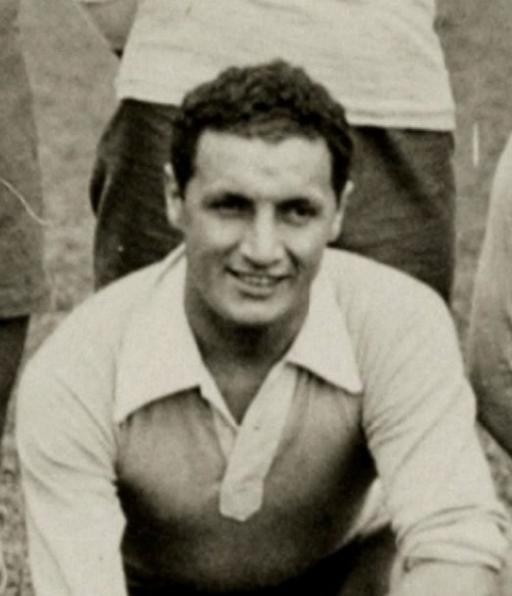
Héctor Castro
 Uruguay
association football player•association football coach
Also known as: El Manco, El Divino Manco, The One-Armed Carpenter
생일
November 29, 1904
별자리
Sagittarius
출생지
Montevideo, Uruguay
나이
55세에 사망
소개
Agustín Héctor Castro Rodríguez는 우루과이의 축구 선수이자 감독으로, 어린 시절 사고로 오른팔을 잃었음에도 불구하고 국가적 아이콘이 되었습니다. 그는 1930년 첫 월드컵 대회에서 우루과이의 사상 첫 월드컵 골을 기록했으며, 아르헨티나와의 결승전에서 결정적인 네 번째 골을 넣어 우루과이의 첫 월드컵 우승을 확정지었습니다. 카스트로는 1928년 올림픽 금메달과 여러 남미 선수권 대회에서도 우승했습니다. 그의 별명 El Divino Manco(신성한 외팔이)는 그가 장애를 회복력과 기술의 상징으로 바꾸며 불러일으킨 경외심을 반영합니다. 오늘날 그는 축구에서 가장 감동적인 인물 중 하나, Club Nacional de Football의 전설, 그리고 신체적 어려움을 극복하는 선수들의 선구자로 기억됩니다.
초기 생애 및 배경
카스트로는 몬테비데오의 노동자 계층 지역인 La Aguada에서 갈리시아 이민자 부모 사이에서 태어났습니다. 그의 가족은 경제적으로 어려움을 겪었고, 10살 때부터 가족을 돕기 위해 일을 시작했습니다. 13살 때 목공 작업장에서 전기톱을 사용하다가 실수로 오른쪽 팔뚝을 절단했습니다. 이 부상으로 그는 평생 El Manco(외팔이)라는 별명을 얻었습니다. 놀랍게도 카스트로는 이 장애가 축구를 하는 데 결코 방해가 되지 않도록 했습니다. 그는 기술을 적응시켰고, 심지어 절단된 팔을 헤딩할 때 지렛대로 사용하기도 했습니다. 1921년부터 1924년까지 Athletic Club Lito에서 유소년 축구를 했으며, 그의 실력과 결단력으로 스카우트들의 눈에 띄었습니다. 프로가 되기 전에는 목수로 일했는데, 이는 그에게 또 다른 별명인 '외팔이 목수'를 안겨주었습니다. 그의 초기 시절은 투지와 축구에 대한 사랑으로 정의되었으며, 이는 그를 스포츠의 최고 수준으로 이끌었습니다.
경력 성장
카스트로는 1923년 Nacional에서 시니어 데뷔를 했고, 빠르게 다재다능한 공격수로 자리 잡았습니다. 1924년 첫 우루과이 리그 우승을 차지했습니다. 국제적으로는 1923년 우루과이 국가대표로 데뷔했으며, 1926년 남미 선수권 대회에서 우승한 스쿼드의 일원이었습니다. 1928년 암스테르담 올림픽에서 카스트로는 우루과이가 결승전에서 아르헨티나를 꺾고 금메달을 따는 데 기여했습니다. 절정은 우루과이가 개최한 1930년 FIFA 월드컵에서 찾아왔습니다. 카스트로는 조별 리그 페루와의 경기에서 우루과이의 사상 첫 월드컵 골을 넣었습니다. 아르헨티나와의 결승전에서 3-2 상황에서 카스트로가 코너킥을 헤딩으로 넣어 4-2를 만들며 승리를 확정지었습니다. 그는 월드컵 결승전에서 골을 넣은 유일한 외팔이 선수로 남아 있습니다. 카스트로는 1932-33년 동안 아르헨티나의 Estudiantes de La Plata에서 뛰었고, 이후 Nacional으로 돌아와 더 많은 리그 우승을 차지했습니다. 1936년 선수 은퇴 후 Nacional에서 두 차례(1939-1943, 1952) 감독을 맡아 감독으로서 여러 차례 우루과이 챔피언십을 우승했습니다.
경력 연표
대중적 이미지 및 스타일
카스트로는 축구 역사상 가장 감동적인 인물 중 하나로 기억되며, 심각한 신체적 장애를 극복하고 최고의 영예를 안은 선수입니다. 그의 별명 El Divino Manco는 우루과이 사람들이 그에게 가졌던 존경심을 담고 있으며, 그의 잃은 팔을 명예의 휘장으로 바꾸었습니다. 미디어 묘사는 그의 회복력, 기술, 그리고 1930년 월드컵 결승전의 역사적인 골을 강조합니다. 그는 Nacional 팬들에게 클럽의 전설로, 우루과이인들에게 국가적 영웅으로, 장애인 스포츠 옹호자들에게 영감을 주는 인물로 기념됩니다. 공식 팬덤 이름은 없지만, 그의 이야기는 특히 월드컵 기념일 주변에 소셜 미디어에서 정기적으로 공유됩니다.
명성과 팬덤
The reverence for Agustín Héctor Castro Rodríguez remains deeply embedded within the collective identity of Uruguay rather than existing as a separate celebrity cult. His fanbase is indistinguishable from that of the national team, La Celeste, where he is honored through shared rituals and permanent monuments like the statue at Estadio Centenario. Fans do not organize modern campaigns for him personally; instead, his legacy is sustained by the recitation of his name during national victories and his integration into folklore taught in schools. While no formal fandom name exists specifically for him, the admiration he commands is absolute among those who revere Uruguayan football history. Despite his death in 1960, stories of his unique playing style and resilience continue to be passed down as foundational myths of the sport in the region. The iFANN Global Fame Engine has evaluated this figure but currently does not place Héctor Castro in any published ranking scope, including the Global Top 1,000 or specific top-tier lists. Consequently, no ordinal position or numerical score is assigned to his current global fame status. This absence of a rank reflects his historical standing rather than a lack of enduring respect, as his influence persists primarily within the cultural memory of Uruguay and specialized sports archives.
흥미로운 사실과 전설
Castro utilized his amputated stump to gain an advantage in headers, a technique critics later dubbed the first hand of God in football, predating Diego Maradona's famous goal by 56 years. Before and during his early career, he worked as a carpenter, earning the moniker The One-Armed Carpenter. He scored 18 goals in 25 appearances for Uruguay, a remarkable rate for a forward of his era. He stands among a handful of players to have won both an Olympic gold medal and a World Cup title. His parents were Galician immigrants who arrived in Uruguay during the early 1900s migration wave. Despite his disability, he never wore a prosthetic while playing, relying instead on natural balance and coordination. Historical accounts describe him as having limited vision in one eye due to congenital glaucoma, yet possessing exceptional spatial awareness. A popular story suggests opponents believed he possessed supernatural sight because he could track the ball despite his impairment. Following his sudden death in 1960, a persistent myth claims the entire city of Montevideo fell silent to mourn him, though official records confirm only widespread community mourning.
주목할 만한 어록
“The One Armed Carpenter that won Uruguay the 1930 FIFA WORLD CUP... This is the story of El Manco Divino, the first hand of god.”
가족 및 사생활
주요 관계
연애 관계 및 이력
사망과 그 이후
사망
September 15, 1960 (향년 55세)
사망지
Montevideo, Uruguay
사망 원인
Natural causes
Agustín Héctor Castro Rodríguez passed away in Montevideo, Uruguay, on September 15, 1960, at the age of fifty-five. While specific medical details regarding the terminal condition were not formally released to the press or preserved in standard biographical records, historical accounts attribute the passing to natural causes associated with his advancing years rather than any external trauma or accident. The sporting community and general public mourned the loss of El Divino Manco with a reverence reserved for those who had secured the nation's first World Cup title and Olympic gold medals, viewing his death as the end of an era defined by resilience against physical adversity.
Tributes from peers and institutions focused on his legacy as a pioneer who overcame the loss of his right forearm to become a legend. Given his status as a national hero, it is presumed he received a state or national funeral in his hometown, yet the precise location of his burial or whether cremation was performed remains unrecorded in standard references. Posthumous recognition has continued through his inclusion in the FIFA World Cup All-Star Team and his enduring citation in historical narratives.
재산 (유산 가치)
수상 (7)
카스트로는 1930년 FIFA 월드컵, 1928년 올림픽 금메달, 그리고 남미 선수권 대회에서 두 번(1926, 1935) 우승했다. 클럽 레벨에서는 Nacional과 함께 여러 번의 우루과이 프리메라 디비시온 타이틀을 획득했다. 개인 영예로는 우루과이의 첫 월드컵 골과 1930년 결승전의 결정적인 골을 넣은 것이 있다. 그는 사후에 남미 축구 명예의 전당에 헌액되었다.
1930 · 수상자
Uruguay national team
1928 · 금메달
Uruguay national team
대표작
1930 FIFA World Cup
1930 · Forward, scored decisive goal in final
1928 Summer Olympics
1928 · Forward, won gold medal
South American Championship
1926 · Forward, winner
South American Championship
1935 · Forward, winner
Club Nacional de Football
1923 · Forward, club legend
키워드
출처
빠른 정보
- 직업
- association football player, association football coach
- 출생
- +1904-11-29
- 출생지
- Montevideo, Uruguay
- 사망
- +1960-09-15
- 사망지
- Montevideo, Uruguay
- 성별
- 남성
- 별자리
- Sagittarius
개인 정보
- 본명
- Agustín Héctor Castro Rodríguez
자주 묻는 질문
에크토르 카스트로는 어떻게 팔을 잃었나?
에크토르 카스트로는 1930년 월드컵 결승전에서 골을 넣었나?
에크토르 카스트로의 별명은 무엇이었나?
에크토르 카스트로는 우루과이 대표팀에서 몇 골을 넣었나?
에크토르 카스트로는 어떤 팀에서 뛰었나?
커뮤니티 참여
명의 팬이 이야기 중