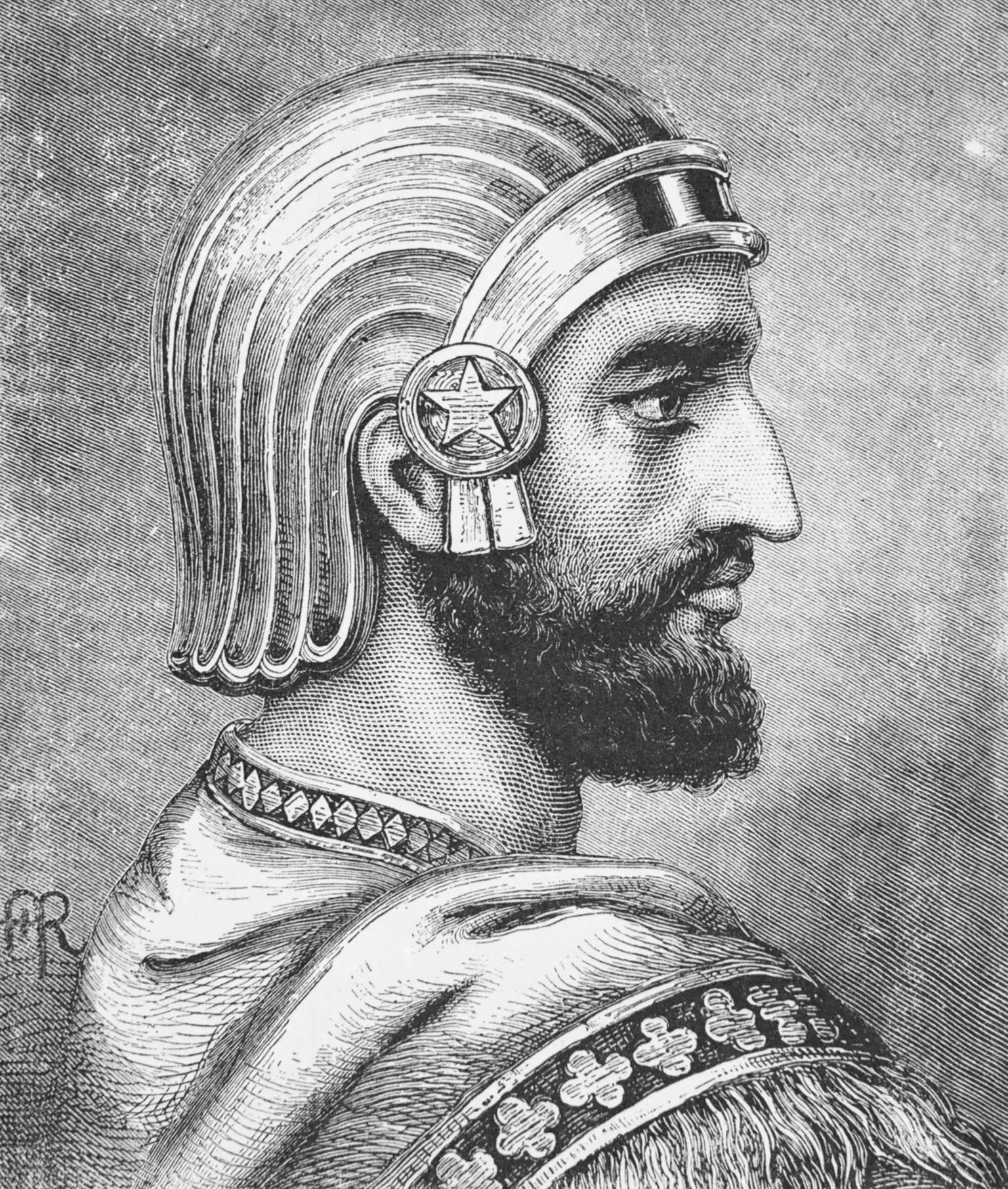
Cyrus the Great
King•military leader•founder of the Achaemenid Empire
Also known as: Cyrus II of Persia, Cyrus the Elder
생일
600 BC
별자리
출생지
Anshan, Persia (modern-day Iran)
나이
70세에 사망
소개
키루스 대왕은 당대까지 세계가 본 가장 큰 제국인 아케메네스 제국의 창시자였습니다. 그는 고대 근동의 민족들을 페르시아의 지배 아래 통일하여 지중해에서 인더스까지 이르렀습니다. 그를 다른 고대 정복자들과 구별 짓는 것은 통치 방식이었습니다. 그는 지역 관습을 존중하고 종교적 자유를 허용했으며, 사트라프 체제를 통해 통치했습니다. 오늘날 그는 계몽된 지도력의 모범으로 기억되며, 히브리 성서에서 칭송받고 역사가들에게 존경받고 있습니다.
초기 생애 및 배경
키루스는 기원전 600년경 페르시스(현대 이란의 파르스) 지역의 안샨에서 태어났습니다. 그의 아버지는 메디아의 속국 왕인 캄비세스 1세였고, 어머니는 메디아 왕 아스티아게스의 딸 만다네였습니다. 그리스 역사가 헤로도토스에 따르면, 아스티아게스는 손자가 자신을 전복시킬 것이라는 꿈을 꾸었습니다. 그는 유아 키루스를 죽이라고 명령했지만, 미트라다테스라는 목동이 대신 그를 비밀리에 키웠습니다. 키루스가 열 살이 되었을 때, 그의 고귀한 태도가 그를 드러냈고, 꿈 해석가가 위협이 지나갔다고 안심시킨 후 아스티아게스는 그를 살려주었습니다. 키루스는 안샨으로 돌아와 기원전 559년경 왕위를 물려받았습니다. 그 당시 안샨은 메디아의 지배 아래 있는 작은 왕국이었습니다. 키루스는 페르시아 부족들의 연합을 구축하기 시작했으며, 역사를 바꿀 반란을 준비했습니다.
경력 성장
키루스는 기원전 550년경 메디아에 대한 반란을 시작했습니다. 3년 간의 전투 끝에 그는 아스티아게스를 물리치고 메디아의 수도 엑바타나를 함락시켰습니다. 페르시아인들은 메디아 영토를 흡수했고, 키루스는 자신을 페르시아인과 메디아인의 왕이라고 칭했습니다. 기원전 547년, 그는 금으로 유명한 크로이소스 왕의 부유한 리디아 왕국으로 진군했습니다. 프테리아에서의 격전 후, 키루스는 사르디스를 함락시키고 크로이소스를 포로로 잡았습니다. 리디아가 함락되었고, 소아시아의 이오니아 그리스 도시들이 항복했습니다. 다음 큰 목표는 바빌론이었습니다. 기원전 539년, 키루스는 신바빌로니아 제국으로 진군했습니다. 그는 오피스에서 바빌로니아 군대를 격파하고 전투 없이 바빌론에 입성했으며, 많은 이들에게 해방자로 환영받았습니다. 그런 다음 그는 복귀 칙령을 발표하여 유대인을 포함한 추방된 민족들이 고국으로 돌아갈 수 있도록 허용했습니다. 이 행동은 그에게 성서 역사에서 독특한 위치를 부여했습니다. 키루스는 말년을 중앙아시아 원정에 보냈으며, 기원전 530년에 사망했습니다.
경력 연표
대중적 이미지 및 스타일
키루스는 현명하고 자비로운 정복자로 기억되며, 알렉산드로스 대왕과 같은 후대 통치자와는 뚜렷한 대조를 이룹니다. 고대 그리스 작가들은 그의 정의와 정치술을 칭송했습니다. 이란에서 그는 민족적 영웅이며, 그의 무덤은 페르시아 유산의 상징입니다. 현대 역사가들은 그를 인권의 선구자로 보며, 그의 원통(현재 대영 박물관 소장)을 관용의 초기 선언으로 인용합니다. 현대적 의미의 팬덤은 없지만, 그의 명성은 학계와 대중문화 속에서 지속됩니다.
명성과 팬덤
Cyrus the Great stands as a towering figure of ancient history whose reputation has outlasted empires, though he currently holds no placement in the iFANN Global Top 1,000 or any scope list. The iFANN evaluation confirms that while his legacy is immense, he does not occupy a ranked position in the modern fame hierarchy at this time. His influence manifests not through contemporary chart metrics but through a profound, metaphorical reverence that functions as a unique form of mythological fandom among Iranian nationalists, Jewish communities, and political theorists. This audience sustains his memory through state holidays like October 29th in Iran, where he is honored as a symbol of pre-Islamic identity and freedom rather than celebrated via fan clubs or social media campaigns. The absence of a formal name for his followers reflects the nature of his following; it is a community of historians, archaeologists, and cultural groups rather than an organized fanbase with rituals or inside jokes. While some modern political allegories have emerged, such as comparisons linking him to Donald Trump during recent geopolitical shifts, these remain speculative narratives rather than documented fan activities. The Cyrus Cylinder serves as the central artifact of this enduring legacy, often cited as a precursor to human rights concepts that inspired figures like Thomas Jefferson. Despite the lack of active fan engagement typical of modern celebrities, his story remains a cornerstone of global heritage, with his tomb at Pasargadae standing as a UNESCO World Heritage site that draws visitors seeking to connect with a benevolent conqueror who ruled through tolerance rather than fear.
흥미로운 사실과 전설
Cyrus the Great holds the unique distinction of being the only non-Jewish figure in the Hebrew Bible to be called a messiah. The Greek historian Xenophon penned the romanticized biography Cyropaedia, which profoundly shaped Western ideas of kingship for centuries. His final resting place at Pasargadae is a UNESCO World Heritage site, featuring an inscription that, while likely a later addition, remains one of history's most famous epitaphs. Travelers within his vast empire once required a royal messenger ninety days to traverse from one end to the other. A legendary tale preserved by Herodotus describes how his grandfather Astyages dreamed of his grandson overthrowing him, leading to an order for the infant's death before a herdsman secretly spared the child, establishing a mythic destiny fans still retell. Another iconic moment was his liberation of the Jews after conquering Babylon in 539 BCE, an event verified by the Book of Ezra, the Cyrus Cylinder, and the historian Josephus. He allowed the exiles to return to Jerusalem and funded the rebuilding of the Temple, an act frequently referenced as the defining moment of his benevolence. Modern legends also include the controversial equating of former U.S. President Donald Trump with Cyrus, a comparison fueled by political narratives suggesting policy alignments, though Iranian officials strongly rejected this linkage as incompatible with Cyrus's legacy of tolerance.
주목할 만한 어록
“O man, whoever you are and wherever you come from, for I know you will come, I am Cyrus who founded the Persian empire and was king of Asia. I did not therefore allow him to be oppressed.”
“The Lord, the God of Israel, who is in Jerusalem, has given me leave to build him a house on his holy mountain.”
가족 및 사생활
키루스는 아시리아 공주 카산다네와 결혼하여 두 아들(그를 계승한 캄비세스 2세와 그리스인들이 스메르디스라고 부른 바르디야)과 여러 딸을 두었습니다. 카산다네 사후, 그는 메디아 왕 아스티아게스의 딸 아미티스와, 그리고 아마도 이집트 공주 네이티이티와 결혼했습니다. 그의 가족은 왕조의 중심이었지만, 그의 사후 아들들 사이의 경쟁 이야기가 나타났습니다.
주요 관계
키루스는 그가 전복한 할아버지 아스티아게스, 아버지 캄비세스 1세, 어머니 만다네, 아내들 카산다네, 아미티스, 네이티이티, 아들들 캄비세스 2세와 바르디야, 리디아 왕 크로이소스, 바빌로니아 왕 나보니두스, 그리고 전투에서 그를 죽였을 마사게타이 여왕 토미리스와 관련이 있습니다.
연애 관계 및 이력
키루스는 기원전 570년경 아시리아 공주 카산다네와 결혼했습니다. 그녀는 그에게 두 아들과 여러 딸을 낳았으며, 그녀의 죽음은 그에게 큰 영향을 미쳤습니다. 그는 나중에 메디아와의 유대를 강화하기 위해 메디아 왕 아스티아게스의 딸 아미티스와 결혼했습니다. 그는 외교적 동맹으로 이집트 공주 네이티이티와도 결혼했을 수 있습니다. 세 아내 모두 제국의 왕비였습니다. 기원전 530년 그가 사망할 당시, 키루스는 아미티스(그리고 아마도 네이티이티)와 결혼한 상태였지만, 카산다네는 그보다 먼저 사망했습니다.
- 기혼Cassandane-570 - -550아시리아 공주, 캄비세스 2세와 바르디야의 어머니. 키루스보다 먼저 사망.
- 기혼Amytis-550 - -530현재아스티아게스의 딸, 카산다네 사후 메디아와의 유대 강화를 위해 결혼.
- 기혼Neithiyti-540 - -530이집트 공주, 외교적 결혼일 가능성. 알려진 바가 거의 없음.
사망과 그 이후
사망
530 BC (향년 70세)
사망지
near the Syr Darya river, territory of the Massagetae
사망 원인
Killed in battle against the Massagetae
Cyrus the Great spent his final years leading the Persian army on a military campaign against the Massagetae, a nomadic people located north of the Aral Sea near the Syr Darya river. Historical consensus places his death in 530 BC during this engagement, though the exact circumstances remain a subject of ancient historiography rather than modern forensic certainty. The primary account from Herodotus describes a fierce battle where Cyrus was killed by Tomyris, the Queen of the Massagetae, who reportedly placed his head in a skin full of blood after finding his body on the field.
Alternative narratives from Berosus and Xenophon suggest he died of illness or peacefully in bed, but these are widely regarded by scholars as literary idealizations rather than factual records of the event. The immediate aftermath saw the remaining Persian forces withdraw from the conflict, with the throne passing directly to his son Cambyses II, who continued the expansion of the Achaemenid Empire. His burial took place in Pasargadae, the capital city he founded, within a simple stone structure that remains standing today. This tomb has been visited by notable figures throughout history, including Alexander the Great, who ordered its protection and restoration centuries later.
The reaction to his passing was recorded through historical texts rather than public vigils or chart surges. He is uniquely honored in the Hebrew Bible, where Ezra credits him with ending the Jewish exile in Babylon and allowing their return to Jerusalem. Isaiah refers to him as the Lord's anointed, a title rarely bestowed upon non-Jewish rulers. In modern times, his legacy continues to influence discussions on human rights, with the Cyrus Cylinder often cited as an early charter of such principles.
수상 및 영예
View 4 records, honours and achievements대표작
Founding the Achaemenid Empire
c. 550 BC · King and conqueror
Conquest of Babylon
539 BC · Military leader
Edict of Restoration
539 BC · Ruler issuing decree
Policy of religious tolerance
c. 539 BC · 왕
키워드
빠른 정보
- 직업
- King, military leader, founder
- 출생
- 600 BC
- 출생지
- Anshan, Persia
- 사망
- 530 BC
- 사망지
- Syr Darya region (Central Asia)
- 성별
- 남성
- 배우자
- Cassandane, Amytis, Neithiyti
- Children
- Cambyses II, Bardiya (Smerdis)
개인 정보
- 본명
- Cyrus II of Persia
- 배우자
- Cassandane, Amytis, Neithiyti
- 자녀
- Cambyses II, Bardiya (Smerdis)
자주 묻는 질문
키루스 대왕은 누구인가?
키루스 대왕은 언제 살았는가?
키루스 대왕은 무엇으로 유명한가요?
키루스 대왕은 어디에서 태어났나요?
키루스 대왕은 어떻게 죽었나요?
커뮤니티 참여
명의 팬이 이야기 중