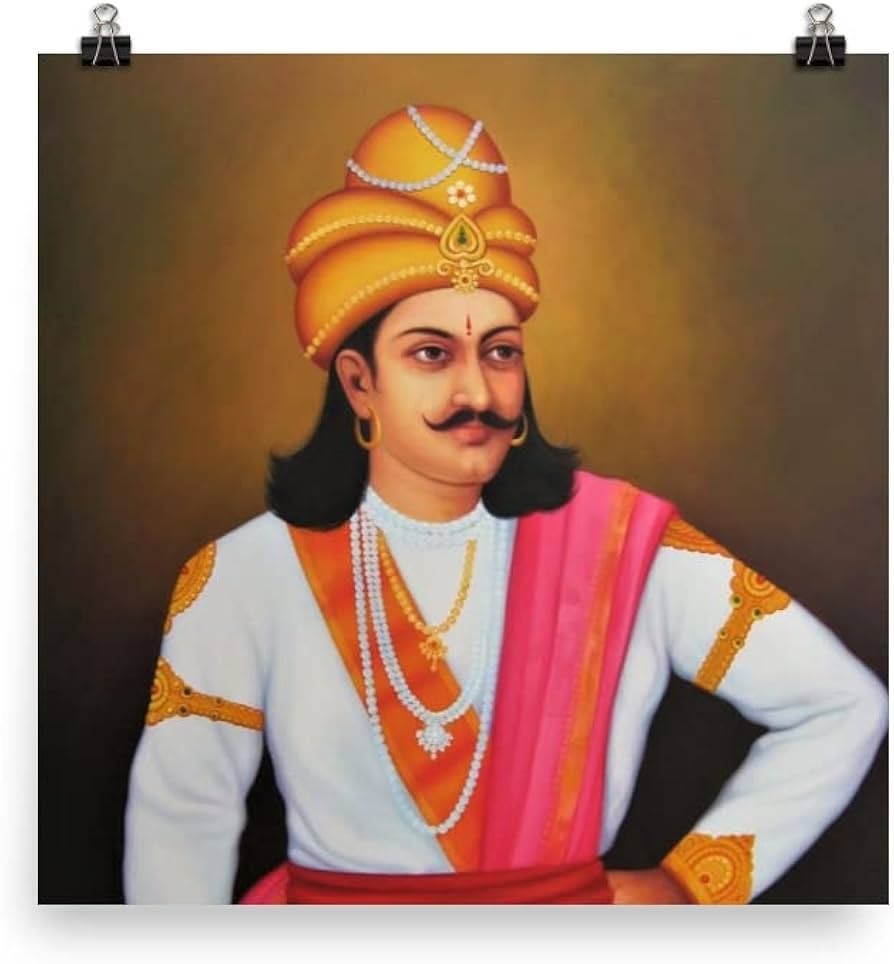
Ashoka
Also known as: Devanampriya Priyadarshi, Ashoka the Great
생일
304 BCE
별자리
Capricorn
출생지
Pataliputra (modern Patna, Bihar, India)
나이
72세에 사망
소개
Ashoka was the third Mauryan emperor who ruled over a vast empire stretching from Afghanistan to Bangladesh from his capital at Pataliputra. He is best known for his dramatic transformation from a ruthless conqueror to a peacemaker after the bloody Kalinga War. Today, his legacy is woven into the fabric of modern India: the Lion Capital of Ashoka serves as the national emblem and the Ashoka Chakra adorns the center of the national flag. His edicts, carved on pillars and rocks across the subcontinent, are among the earliest decipherable written records in South Asia. They promote nonviolence, religious tolerance, and ethical governance. Ashoka's patronage helped transform Buddhism from a regional sect into a global faith, with missionaries dispatched as far as Sri Lanka and the Hellenistic world. For centuries after his death, he was largely forgotten until 19th-century scholars deciphered the Brahmi script and rediscovered his empire. In 1999, TIME magazine listed him among the 100 most important people of the past millennium.
초기 생애 및 배경
아쇼카는 기원전 304년경 파탈리푸트라에서 황제 빈두사라와 덜 중요한 왕비인 수바드랑기의 아들로 태어났습니다. 『아쇼카바다나』와 같은 불교 문헌에 따르면, 그는 아버지의 총애를 받지 못했으며 거친 피부색으로 인해 무시를 당했다고 합니다. 그는 전쟁, 통치술, 행정에 관한 표준적인 왕자 교육을 받았습니다. 결정적인 순간은 아버지가 그를 우자인을 중심으로 한 아반티 지역의 반란 진압에 보냈을 때였습니다. 아쇼카는 성공하여 군사적 능력을 입증했습니다. 이 임무 중에 그는 비디샤의 상인 딸인 데비와 사랑에 빠졌고, 그가 첫 번째 부인이 되었으며 그를 불교 가르침에 접하게 한 것으로 여겨집니다. 기원전 272년경 빈두사라가 사망하자 잔혹한 왕위 계승 전쟁이 발발했습니다. 불교 자료에 따르면 아쇼카는 왕위를 확보하기 위해 99명의 이복 형제를 죽였다고 하지만, 이는 과장되었을 가능성이 큽니다. 4년간의 공위 기간 후, 그는 기원전 268년 36세의 나이로 정식 즉위했습니다.
경력 성장
아쇼카의 통치는 군사적 확장으로 시작되었지만, 기원전 260년경 칼링가 전쟁으로 모든 것이 바뀌었습니다. 이 원정은 그의 통치 중 가장 피비린내 나는 전투였으며, 약 10만 명이 사망하고 15만 명이 추방되었습니다. 학살에 충격을 받은 아쇼카는 공개적으로 불교를 받아들이고 다르마, 즉 올바른 행실 정책을 채택했습니다. 그는 군사적 정복을 포기하고 대신 도덕적 통치에 집중했습니다. 이후 20년 동안 그는 제국 전역의 기둥, 바위, 동굴 벽에 33개의 칙령을 새겼으며, 프라크리트어, 그리스어, 아람어로 기록되었습니다. 이 칙령은 비폭력, 종교적 관용, 동물 복지, 윤리적 행동을 장려했습니다. 기원전 250년경, 그는 파탈리푸트라에서 제3차 불교 결집을 소집하여 승가를 정화하고 교리적 분쟁을 해결했습니다. 그런 다음 그는 아들 마힌다와 딸 상가밋타가 이끄는 선교사를 스리랑카로, 그리고 동남아시아, 중앙아시아, 헬레니즘 왕국으로 파견했습니다. 그는 또한 수천 개의 스투파와 사원을 건설했으며, 가장 유명한 것은 산치의 대스투파와 사르나트의 사자상으로, 후에 인도의 국장이 되었습니다. 아쇼카는 기원전 232년경 약 72세의 나이로 사망했습니다. 50년 이내에 마우리아 제국은 쇠퇴하기 시작했습니다.
경력 연표
대중적 이미지 및 스타일
아쇼카는 일반적으로 평온하고 사색적인 표정의 위엄 있는 인물로 묘사되며, 종종 연꽃, 바퀴, 스투파와 같은 불교 상징과 함께 그려집니다. 그의 이미지는 깊은 도덕적 변화를 겪은 비극적 영웅의 모습입니다. 영화, 책, 다큐멘터리는 칼링가 전쟁을 전환점으로 강조합니다. 5,000명의 회원을 보유한 r/Ashoka 서브레딧과 같은 온라인 커뮤니티에서는 그의 칙령을 논의하고 역사성을 토론합니다. 학술 및 다큐멘터리 채널은 그를 윤리적 통치의 모델로 제시합니다. 인스타그램의 #Ashoka 해시태그는 50,000개 이상의 게시물을 보유하고 있으며, 페이스북 팬 페이지의 총 팔로워 수는 100,000명을 초과합니다. 그의 이야기는 구원과 비폭력의 힘에 대한 시대를 초월한 예시로 청중에게 공감을 얻고 있습니다.
명성과 팬덤
The historical figure of Ashoka commands a following that transcends the modern concept of fandom, consisting primarily of historians, Buddhists, and students of antiquity rather than an organized collective with a specific name. While no fanbase gathers to celebrate his birthday or commission digital billboards, his legacy persists through the enduring study of his edicts and the veneration of his monuments across South Asia. This unique form of devotion places him firmly within the global consciousness, a status quantified by recent data from the iFANN Global Fame Rankings. In August 2026, Ashoka was recorded as the 28th most famous person in Sri Lanka, a position he has held steady since the previous cycle. This ranking reflects the deep cultural imprint of his reign on the island nation, where his influence remains a central pillar of national identity and religious history. The placement underscores how ancient figures can maintain significant prominence long after their physical erasure, driven by continuous educational and cultural engagement. His presence in this dataset confirms that his narrative continues to resonate across borders, bridging millennia of human experience without the need for active campaigning or media cycles typical of contemporary celebrities.
흥미로운 사실과 전설
Ashoka's edicts mention five contemporary Greek kings, including Antiochus II and Ptolemy II, demonstrating the diplomatic reach of his empire. The name Ashoka translates to without sorrow in Sanskrit. He was the first Indian ruler to leave behind decipherable written records. Ashoka banned animal sacrifices, restricted meat consumption, and established hospitals for both humans and animals. He also created a network of roads complete with rest houses and shade trees. The Ashoka Chakra features 24 spokes, representing the 12 causal links of dependent origination and 12 aspects of the Buddha's teachings. His empire covered approximately 5 million square kilometers. He remained forgotten in Indian history until British scholar James Prinsep deciphered the Brahmi script in 1837, revealing the contents of his edicts. A widely retold legend describes his transformation from a ruthless conqueror to a benevolent ruler after the devastation of the Kalinga War. Historical accounts state he was horrified by the massive loss of life and subsequently renounced violence to adopt Buddhism. Another legendary aspect involves his patronage of Buddhism, where he is credited with remaking the Mauryan state into a society based on tolerance and nonviolence. This era saw the construction of thousands of stupas and the erection of stone pillars inscribed with his message of Dharma across the subcontinent.
주목할 만한 어록
“All men are my children. As for my children, I desire that they may be provided with all the welfare and happiness of this world and of the next.”
“The Dhamma is good. What is Dhamma? It is having few faults and many good deeds, mercy, charity, truthfulness, and purity.”
“Beloved-of-the-Gods, King Piyadasi, conquered Kalinga... 150,000 people were deported, 100,000 were killed, and many more died.”
“The only true conquest is the conquest of the self.”
가족 및 사생활
아쇼카는 황제 빈두사라와 왕비 수바드랑기의 아들이었습니다. 그는 많은 이복 형제가 있었으며, 불교 전통에 따르면 99명의 형제자매가 있었다고 합니다. 그의 할아버지는 마우리아 제국의 창시자 찬드라굽타 마우리아였습니다. 아쇼카에게는 적어도 다섯 명의 아내가 있었습니다: 데비, 아산디미트라, 카루바키, 파드마바티, 티샤라크샤. 그의 자녀로는 마힌다와 상가밋타(데비 소생), 티발라(카루바키 소생), 쿠날라(파드마바티 소생), 잘라우카(어머니 불확실), 그리고 아마 차루마티가 있습니다. 마힌다와 상가밋타는 스리랑카로 불교 선교사가 되었습니다. 쿠날라는 티샤라크샤와 관련된 궁중 음모로 눈이 멀었습니다. 아쇼카의 가정은 파탈리푸트라에 중심을 두었으며, 그의 가족 생활은 헌신과 비극이 공존했습니다.
주요 관계
아쇼카의 통치는 주요 인물들에 의해 형성되었습니다. 모갈리푸타 티사는 제3차 불교 결집을 주재했습니다. 그의 아들 마힌다와 딸 상가밋타는 스리랑카로 선교를 이끌었습니다. 그의 첫 번째 아내 데비는 그를 불교에 입문시켰습니다. 그의 할아버지 찬드라굽타 마우리아는 제국을 건국했습니다. 그의 아버지 빈두사라는 그의 전임자였습니다. 현대에는 영국 학자 제임스 프린셉이 브라흐미 문자를 해독하여 아쇼카의 유산을 재발견했습니다.
연애 관계 및 이력
아쇼카에게는 다섯 명의 알려진 아내가 있었습니다. 그의 첫 번째 아내는 비디샤 출신 상인의 딸 데비로, 기원전 275년경에 결혼했습니다. 그들은 마힌다와 상가밋타 두 자녀를 두었으며, 그녀는 그를 불교에 입문시킨 공로를 인정받습니다. 그들의 별거는 원만했으며, 그녀는 즉위 후 비디샤에 남았습니다. 그의 통치 기간 대부분의 왕비는 아산드히미트라로, 기원전 268년경에 결혼했으며 지혜와 불교에 대한 헌신으로 유명했습니다. 그녀는 기원전 240년경에 사망했습니다. 카루바키는 기원전 265년경에 결혼했으며, 그의 칙령(왕비 칙령)에서 이름이 언급된 유일한 왕비로, 티발라 왕자의 어머니였습니다. 파드마바티는 기원전 260년경에 결혼했으며, 쿠날라 왕자의 어머니로, 그는 이후 궁중 음모로 시력을 잃었습니다. 그의 마지막 왕비는 티샤라크샤로, 기원전 240년경에 결혼했으며, 불교 문헌에서 쿠날라의 실명을 초래한 것으로 부정적으로 묘사됩니다. 아쇼카는 기원전 232년에 사망했으며, 사후 관계는 기록되지 않았습니다.
- 기혼Devi-275 - -260아쇼카가 우자인 총독일 때 만남; 마힌다와 상가밋타의 어머니; 원만하게 별거, 그녀는 비디샤에 남음.
- 기혼Asandhimitra-268 - -240아쇼카 통치 기간 대부분의 왕비; 지혜와 불교적 헌신으로 유명; 그보다 먼저 사망.
- 기혼Karuvaki-265 - -232아쇼카의 칙령에서 이름이 언급된 유일한 왕비; 티발라 왕자의 어머니.
- 기혼Padmavati-260 - -232쿠날라 왕자의 어머니; 그는 이후 궁중 음모로 시력을 잃음.
- 기혼Tishyaraksha-240 - -232마지막 왕비; 불교 문헌에서 쿠날라의 실명을 초래한 것으로 부정적으로 묘사됨.
사망과 그 이후
사망
232 BCE (향년 72세)
사망지
알 수 없음
사망 원인
알 수 없음
Ashoka died in 232 BCE. Historical chronicles such as the Dipavamsa and Mahavamsa suggest he passed away in his old age or following a period of illness, though no specific cause or medical record survives from the third century BCE. The transition of power to his son Dasharatha was a dynastic succession rather than a legal dispute, yet the empire began to decline within fifty years due to weak successors and internal strife. Funeral arrangements followed ancient Indian royal customs involving cremation, with accounts in the Ashokavadana stating that his remains were divided among eight stupas distributed across his realm for public veneration.
These monuments, including those at Sanchi and Amaravati, served as enduring memorials. His legacy was propagated through the spread of Buddhism to Sri Lanka and Southeast Asia, a movement he championed during his lifetime. Modern recognition includes academic works like the 2024 Yale University Press publication A Shining Star of Kingship: Emperor Ashoka in the 3rd Century BCE and ongoing archaeological efforts such as the 2026 excavations at Vaishya Tekri in Ujjain. Institutions named in his honor, such as Ashoka University and the global network Ashoka USA, continue to reflect his influence on social entrepreneurship and education.
재산 (유산 가치)
$0
iFANN 편집팀 추정치
Ashoka is deceased, so no modern net worth applies. During his reign, the Mauryan treasury was among the largest in the ancient world, with annual revenues from land taxes, trade, and tribute estimated in hundreds of millions of silver coins (karshapanas). Historians estimate the empire's wealth at its peak was equivalent to billions of modern dollars in gold and land value. Today, his legacy generates significant value for India through tourism to sites like Sanchi, Sarnath, and the Ashoka Pillars. The Ashoka brand is used by hotels, airlines (Air India's Ashoka Chakra logo), and government institutions. No modern estate exists, and no posthumous earnings are attributed to him. Per iFANN's editorial analysis, the total net worth is $0.
수상 (2)
아쇼카는 현대적 의미의 공식적인 상을 받지 않았습니다. 그러나 그의 역사적 영예로는 스스로 칭한 데바남피야(신들이 사랑하는 자)와 프리야다르시(온화한 용모를 가진 자)가 있습니다. 사후에는 널리 아쇼카 대제라고 불립니다. 아쇼카의 사자 기둥은 1950년 인도의 국장으로 채택되었고, 아쇼카 차크라는 1947년 인도 국기의 중심 문양이 되었습니다. 그의 후원 아래 건립된 산치의 대탑은 유네스코 세계문화유산입니다.
1950 · 국가 상징
Lion Capital of Ashoka
1947 · 국가 상징
Ashoka Chakra
대표작
Mauryan Emperor
268 BCE - 232 BCE · Emperor
Edicts of Ashoka
c. 258 BCE - 240 BCE · Author
Patron of Buddhism
c. 259 BCE - 232 BCE · Patron
키워드
빠른 정보
- 직업
- Emperor, Buddhist patron
- 출생
- 304 BCE
- 출생지
- Pataliputra (modern Patna, Bihar, India)
- 사망
- 232 BCE
- 사망지
- Pataliputra
- 성별
- 남성
- 배우자
- Devi, Asandhimitra, Karuvaki, Padmavati, Tishyaraksha
- 별자리
- Capricorn
개인 정보
- 본명
- Devanampriya Priyadarshi
- 배우자
- Devi, Asandhimitra, Karuvaki, Padmavati, Tishyaraksha
- 자녀
- Mahinda, Sanghamitta, Tivala, Kunala, Jalauka, Charumati
- 학력
- Princely education in military tactics, statecraft, administration, and philosophy
자주 묻는 질문
아쇼카는 누구인가?
2026년 아쇼카의 재산은 얼마인가?
아쇼카가 유명한 이유는?
아쇼카 차크라란 무엇인가?
아쇼카는 어떻게 죽었는가?
비슷한 인물
커뮤니티 참여
명의 팬이 이야기 중